Nxr Studios
@nxrstudios·180K subscribers·2.2K videos
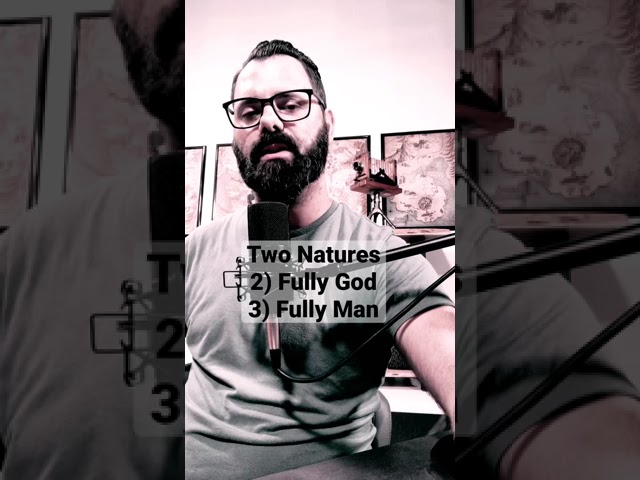
The #1 Way Christians Avoid Confession #Shorts
Posted
June 23, 2021
Views
306
Likes
19
Engagement
6.21%
June 23, 2021
306
19
6.21%
Every word spoken in this episode is indexed. Type any phrase to jump straight to the moment it was said.
Type any word or phrase that may have been spoken. Click a result to seek the player to that exact moment.
Try a name, a topic, or a quoted line
 1:01Now Playing
The focus of Psalm 32:1-5 is confession, forgiveness, and communion (the restoration of relationship). In Psalm 32:1-2, we see that the forgiven man is a blessed man (happy man): “Blessed is the one whose transgression is forgiven, whose sin is covered. Blessed is the man against whom the Lord counts no iniquity, and in whose spirit there is no deceit.” In Psalm 32:5, we are provided with the method for attaining forgiveness and communion: “I acknowledged my sin to you, and I did not cover my iniquity.”
To confess our sin is not merely to inform God of our sin. God is omniscient and does not require any information. Therefore, to confess our sin is to “acknowledge” (agree) with what God says about the severity of our sin. It is to accept responsibility for our sin and earnestly desire the necessary grace required to turn from it.
Tragically, there are many even in the church who have attempted to redefine their own failures in such a way that they are absolved of any real sense of moral responsibility. These individuals will go to great lengths in order to reconstruct narratives in the minds of those around them so that someone else is always at fault. Instead of acknowledging their sin, they claim that their only true fault was allowing “toxic” people (often an “abusive” leader) to wreak havoc, and not possessing the necessary wisdom and/or courage to confront them. According to Scripture, an individual like this is walking in the darkness, deceiving not only themselves, but also all those who eagerly adopt their lying narrative. When something goes wrong, people will instinctively look for someone to blame. If someone is willing to provide these people with a “scapegoat,” they will often be more than willing to significantly lower their typical levels of scrutiny and turn a blind-eye to any discrepancies in the new narrative. People like this are not merely slandering the “scapegoat,” but ultimately, they are calling God a liar.
“If we confess our sins, he is faithful and just to forgive us our sins and to cleanse us from all unrighteousness. [But] If we say we have not sinned, we make him a liar, and his word is not in us.” 1 John 1:9-10 ESV
If you live near Hutto, Texas and would like more information about Covenant Bible Church, visit covenantbible.org
#Shorts
Sentinel Indexing in Progress
Metadata and chapters are available. Claim extraction for this episode is pending.
All video content is delivered via YouTube embedded players in accordance with the YouTube Terms of Service. Sentinel provides research tools that promote discovery and accountability across political media.