Open to Debate
@opentodebate·282K subscribers·1.7K videos
Is Cancel Culture Toxic?
Posted
November 12, 2021
Views
27,584
Likes
368
Comments
234
Engagement
2.18%
November 12, 2021
27,584
368
234
2.18%
Every word spoken in this episode is indexed. Type any phrase to jump straight to the moment it was said.
Type any word or phrase that may have been spoken. Click a result to seek the player to that exact moment.
Try a name, a topic, or a quoted line
 1:04:04Now Playing
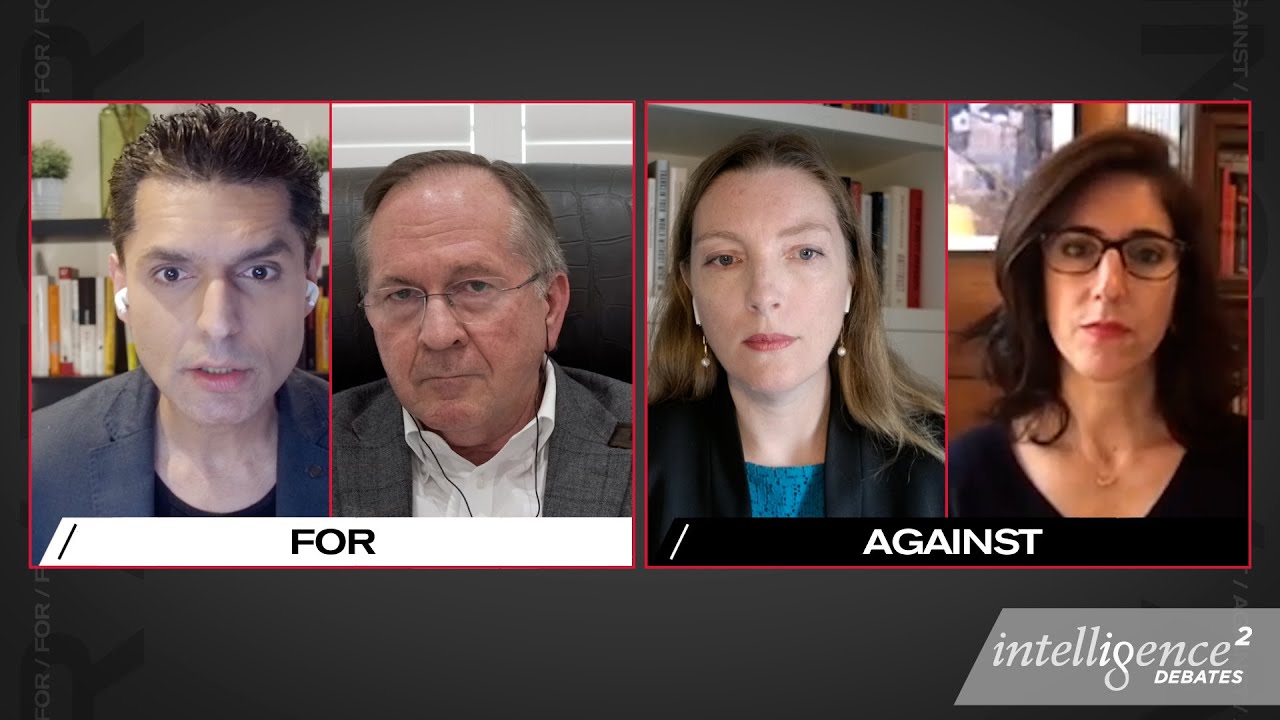
You know the drill. Someone does, or says, something offensive. A public backlash -- typically on Twitter -- ensues. Then come the calls to "cancel" that person, brand, or institution. That usually means the loss of cultural cache, political clout, and often a job or career. While the term "cancelling" has roots in a misogynistic joke, it has come to be one of the most prominent tools of progressive activists. Many see "cancelling" as a modern-day means of holding people to account, calling out injustice, and breaking down ingrained systems of prejudice and exploitation, particularly for the historically marginalized. But others see it differently. They are sounding alarms about the emergence of a new cancel culture where digital mobs police our speech, invade our rights, and even put our physical safety at risk. They argue that cancel culture has created a society ruled by online censorship and eroded our public discourse. Against this backdrop, we ask: Is cancel culture toxic?
#intelligencesquaredus #iq2us #cancelculture #opentodebate
===================================
Official site
Open to Debate Twitter
Open to Debate Facebook
===================================
Sentinel Indexing in Progress
Metadata and chapters are available. Claim extraction for this episode is pending.
All video content is delivered via YouTube embedded players in accordance with the YouTube Terms of Service. Sentinel provides research tools that promote discovery and accountability across political media.