Open to Debate
@opentodebate·282K subscribers·1.7K videos
Is the Republican Party’s Refusal to Raise Taxes Fiscally Irresponsible?
Posted
February 2, 2024
Views
1,677
Likes
23
Comments
10
Engagement
1.97%
February 2, 2024
1,677
23
10
1.97%
Every word spoken in this episode is indexed. Type any phrase to jump straight to the moment it was said.
Type any word or phrase that may have been spoken. Click a result to seek the player to that exact moment.
Try a name, a topic, or a quoted line
 1:02:19Now Playing
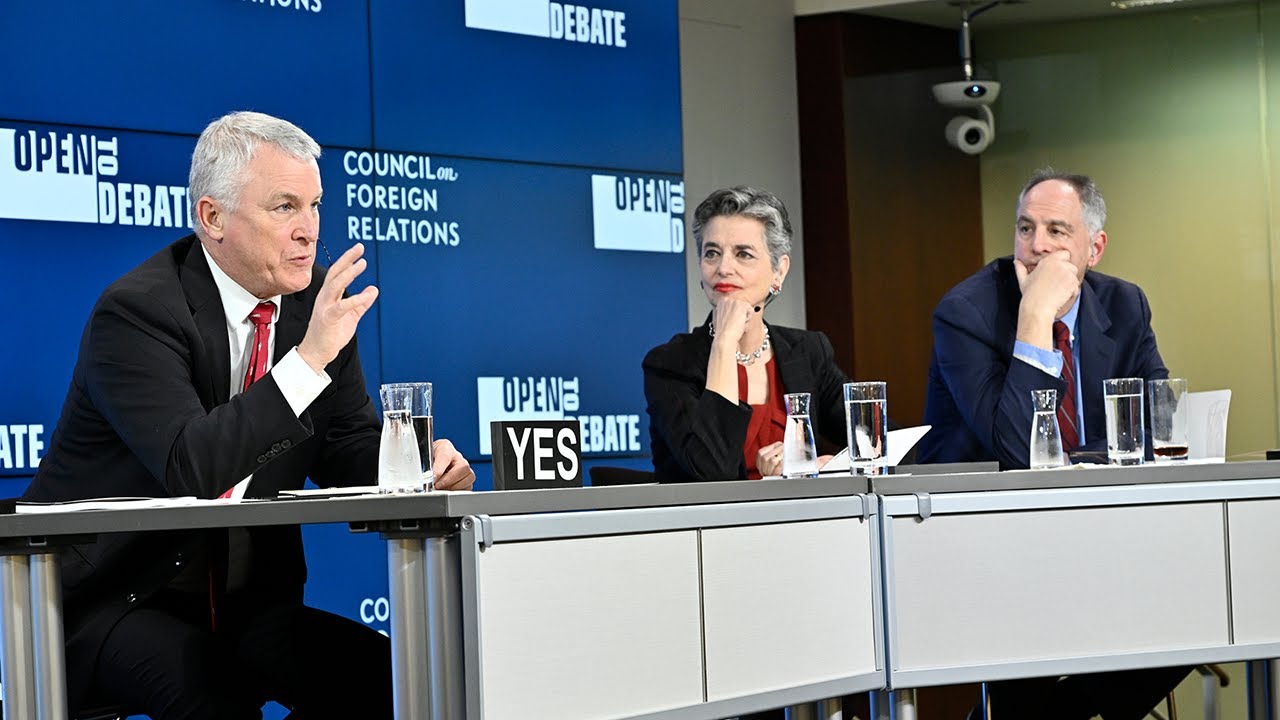
Whoever wins the 2024 election will soon face a critical decision about extending four trillion dollars in tax cuts expiring next year. Whether taxes will be raised, or cut is in question, against the backdrop of 34.1 trillion dollars in federal debt. For the past few decades, the Republican Party has embraced the belief that lower tax rates and less government spending boost the U.S. economy. However, there is disagreement among conservative thought leaders about the way forward on taxes for the Republican Party. Specifically, some argue that preferences for tax cuts ignore the looming deficit and that refusing to raise taxes further imbalances the federal budget. However, others continue to argue that our debt is caused by government overspending and will actually be helped by tax cuts and that these same cuts also help promote a flourishing economy.
With this background, we debate the question: Is the Republican Party’s Refusal to Raise Taxes Fiscally Irresponsible?
Arguing Yes: Oren Cass, Executive Director of American Compass
Arguing No: David McIntosh, President of the Club for Growth
Nayeema Raza, Journalist at New York Magazine and Vox, is the guest moderator
Timestamps:
(03:58) Why is the discussion on tax policies urgent?
(06:11) Oren Cass argues that the Republican party’s refusal to raise taxes is fiscally irresponsible.
(10:22) David McIntosh argues that the Republican party’s refusal to raise taxes is not fiscally irresponsible.
(19:13) What key lessons can we take away from historical tax policies?
(26:47) Could discussions about cutting taxes overshadow the more urgent issue of cutting spending?
(29:29) How did Republicans fail to get government spending under control?
(37:23) Will tax cuts stimulate private sector investment and make the economy more productive?
(40:27) Is it possible to reduce budget deficits given the current level of government spending?
(42:21) Why has tax cutting only recently become a priority for the Republican party?
(47:14) Is it politically profitable for Republicans to keep the taxes low?
(56:27) Debaters present their closing statements.
#opentodebate #debate #principle #taxes #raisingtaxes #spending #policy #smallgovernment #biggovernement #governments #empiricalevidence #interestrates #inflation #taxcuts #taxrevenue #controlspending #balancedbudget #farmbills #debt #walmartshopper
===================================
Official site
Open to Debate Apple Podcasts
Open to Debate Spotify Podcasts
===================================
-~-~~-~~~-~~-~-
Please watch: "Unresolved: The Iran Threat"
-~-~~-~~~-~~-~-
Sentinel Indexing in Progress
Metadata and chapters are available. Claim extraction for this episode is pending.
All video content is delivered via YouTube embedded players in accordance with the YouTube Terms of Service. Sentinel provides research tools that promote discovery and accountability across political media.