Open to Debate
@opentodebate·282K subscribers·1.7K videos
The Pursuit of Happiness: Virtue or Pleasure
Posted
May 17, 2024
Views
6,836
Likes
51
Comments
10
Engagement
0.89%
May 17, 2024
6,836
51
10
0.89%
Every word spoken in this episode is indexed. Type any phrase to jump straight to the moment it was said.
Type any word or phrase that may have been spoken. Click a result to seek the player to that exact moment.
Try a name, a topic, or a quoted line
 1:05:54Now Playing
Happiness is a complex emotion and mental state, one that has been pondered since the times of the Ancient Greeks. Many have wondered what it means to be happy and to achieve happiness through either virtue or pleasure. Is it for the good of the individual or the benefit of society? Those who believe virtue is the key to happiness argue that it is important for the well-being of both the individual and society, as touted by the Founding Fathers and the Stoics and inspired by Jeffrey Rosen's book "The Pursuit of Happiness", as one should strive for a life of moral virtue and rationality. Those who believe pleasure is the key to happiness see it as the maximization of pleasure and the minimization of pain. Quoting philosophers such as Epicurus and John Stuart Mill and touting Roger Crisp's "Reason and the Good", they also argue that everyone should have the liberty to define their sources of happiness and seek them as they see fit.
With this background in mind, we debate the question: The Pursuit of Happiness: Virtue or Pleasure?
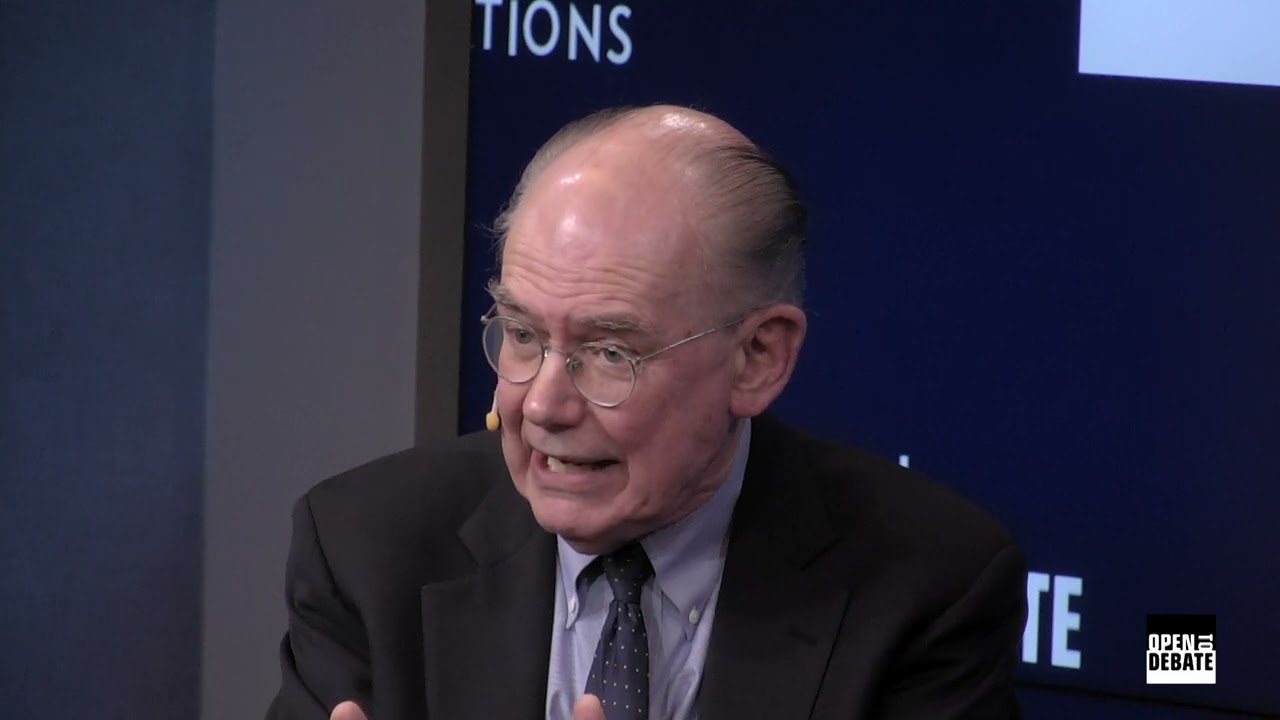
Arguing Virtue: Jeffrey Rosen, CEO & President of the National Constitution Center; Author of “The Pursuit of Happiness: How Classical Writers on Virtue Inspired the Lives of the Founders and Defined America”
Arguing Pleasure: Roger Crisp, Professor of Moral Philosophy at the University of Oxford; Uehiro Fellow and Tutor in Philosophy at St. Anne's College, Oxford
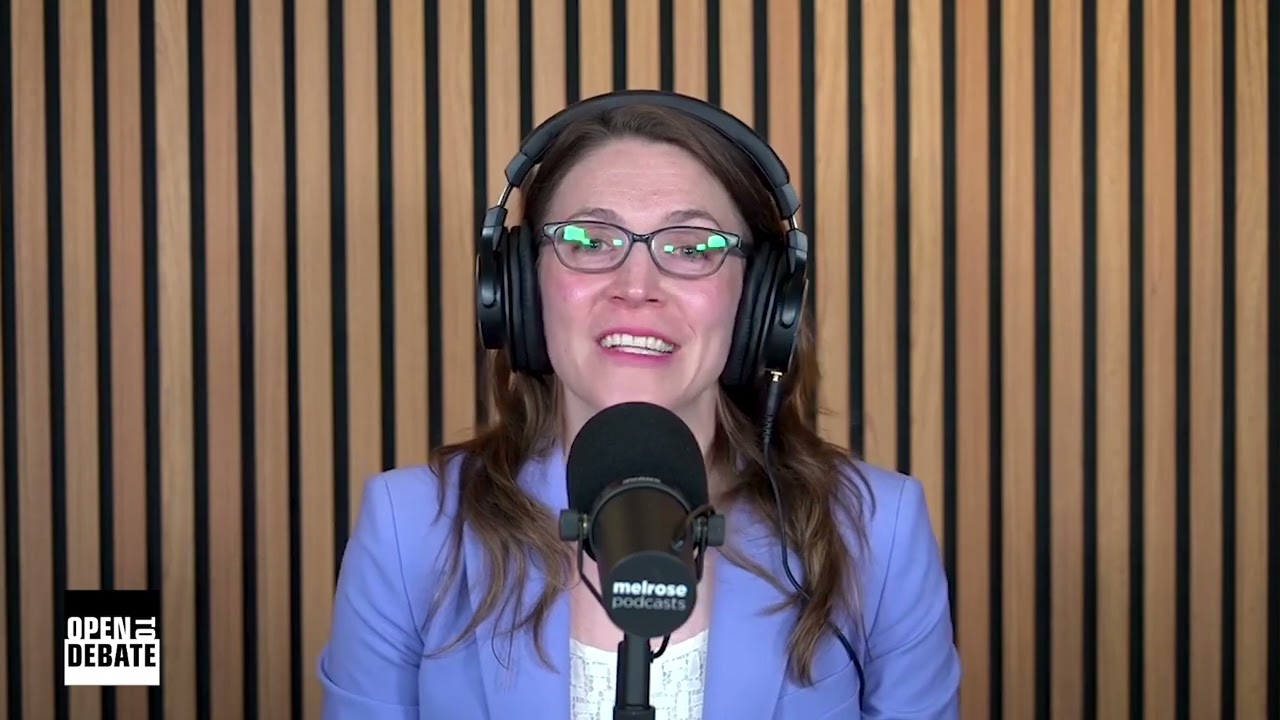
Nayeema Raza, Journalist at New York Magazine and Vox, is the guest moderator
#opentodebate #debate #ethics #happiness #FoundingFathers #mentalstate #depression #philosophers #SamBankmanFried #plato
Timestamps:
(03:32) Jeffrey Rosen argues that happiness is a virtue.
(07:49) Roger Crisp argues that happiness is pleasure.
(17:00) What is The Marshmallow Test?
(19:20) Is the trend for personal well-being virtuous?
(23:47) How did perspectives on what constitutes pleasure change during the 1960s?
(26:23) What is the most virtuous career?
(31:45) Are the Federalist Papers a guide to achieving public happiness?
(36:39) Helen Russell asks how to separate the happiness of a nation from politics and what can be learned from the experience of Nordic countries.
(43:54) Nancy Sherman asks about the different interpretations of pleasure in philosophy.
(49:44) Monica Parker asks whether people should be pursuing happiness.
(53:33) Emily Austin asks about the nature of friendships between Epicureans and Stoics.
(58:45) Jeffrey and Rogen present their closing statements.
===================================
Official site
Open to Debate Apple Podcasts
Open to Debate Spotify Podcasts
===================================
Sentinel Indexing in Progress
Metadata and chapters are available. Claim extraction for this episode is pending.
All video content is delivered via YouTube embedded players in accordance with the YouTube Terms of Service. Sentinel provides research tools that promote discovery and accountability across political media.