Politicon
@politicon·481K subscribers·4K videos
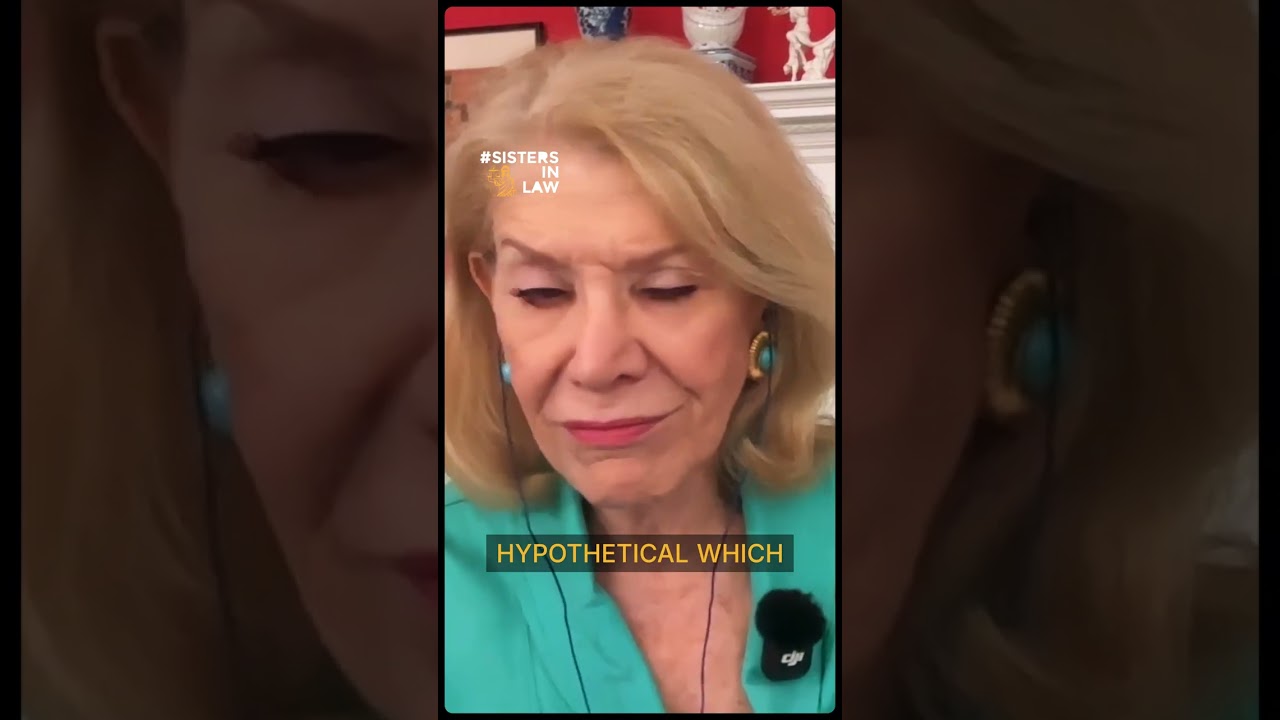
Inside The META Trial That Could Destry Mark Zuckerberg | #SistersInLaw
Posted
August 24, 2026
Views
1,398
Likes
158
Comments
12
Engagement
12.16%
August 24, 2026
1,398
158
12
12.16%
Every word spoken in this episode is indexed. Type any phrase to jump straight to the moment it was said.
Type any word or phrase that may have been spoken. Click a result to seek the player to that exact moment.
Try a name, a topic, or a quoted line
 14:35Now Playing
A landmark trial against Meta is underway in California, and it could be the first real crack in the legal shield that's protected Facebook, Instagram, and every other social media giant for nearly 30 years. Jill, Barb, and Kim break down Section 230 — the law that's let platforms dodge responsibility for what happens on them — and explain the new legal strategy state attorneys general are using to go after Meta not for what users post, but for how the company deliberately engineered its platforms to be addictive to teenagers. From the infinite scroll to a Facebook whistleblower's bombshell testimony to "thinspiration" content spirals, this is a deep dive into how Big Tech built products it knew were hurting kids — and kept selling them anyway.
-Section 230 has given social media companies near-total immunity from lawsuits over content posted by third parties — for almost 30 years.
-A new legal strategy is emerging: suing platforms not over content, but over deliberate design choices that make them addictive.
-Facebook whistleblower Frances Haugen's congressional testimony is central to the case, exposing that Meta knew its features harmed teens.
-The infinite scroll, like counts, and friend counts were allegedly engineered specifically to keep young users hooked for ad revenue.
-A California trial against Meta is testing this theory in real time, with a Meta whistleblower currently testifying.
-The hosts compare the legal theory to "attractive nuisance" law — you're liable for creating a hazard, even if you didn't personally cause the harm.
-Terms like "thinspiration" and "looksmaxing" surface as examples of algorithmically-amplified content that can spiral into eating disorders.
-Meta is leaning hard on Section 230, arguing it's just like a newspaper making editorial choices — the hosts push back hard on that comparison.
-Early court rulings (Ninth Circuit, Massachusetts) have already allowed these design-based lawsuits to proceed past the motion-to-dismiss stage.
-Kim explains the "26 words that created the internet" — the exact statutory language at the heart of Section 230 — and why the Supreme Court's textualist bent could work against Meta this time.
Timestamps:
Sentinel Indexing in Progress
Metadata and chapters are available. Claim extraction for this episode is pending.
All video content is delivered via YouTube embedded players in accordance with the YouTube Terms of Service. Sentinel provides research tools that promote discovery and accountability across political media.