Politicon
@politicon·481K subscribers·4K videos
James Carville: Trump's Legal Theory Would Let Him Tear Down the Statue of Liberty
Posted
August 27, 2026
Views
25,231
Likes
613
Comments
83
Engagement
2.76%
August 27, 2026
25,231
613
83
2.76%
Every word spoken in this episode is indexed. Type any phrase to jump straight to the moment it was said.
Type any word or phrase that may have been spoken. Click a result to seek the player to that exact moment.
Try a name, a topic, or a quoted line
 20:23Now Playing
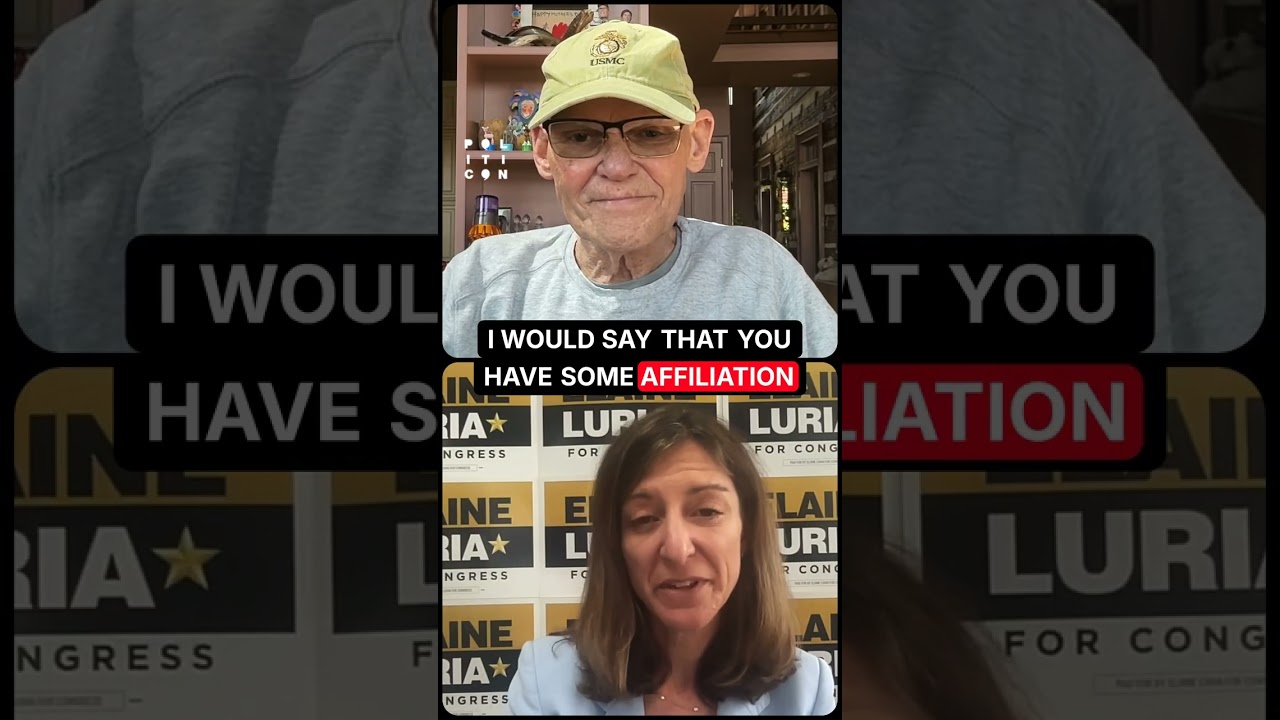
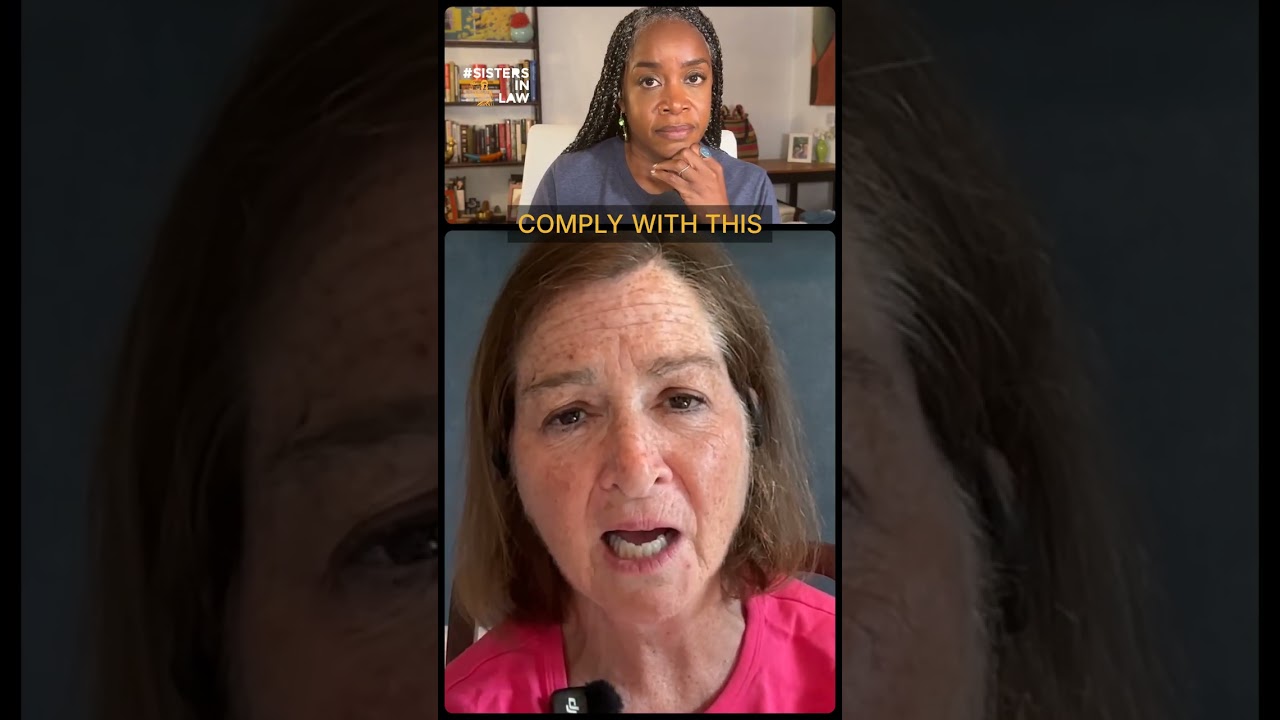
Stanford law professor and former top DOJ official Pam Karlan joins Albert Hunt and James Carville for a deep dive into the Supreme Court's "shadow docket" and how far the Trump administration's legal theories have been allowed to stretch. The episode opens on the starkest example: during oral argument in the Kennedy Center ballroom case, Judge Millette pressed a government lawyer on the logical endpoint of the administration's argument and got him to concede that, under their theory, there'd be nothing stopping Trump from tearing down the Statue of Liberty.
Karlan walks through the Court's recent shadow-docket ruling that let the administration proceed with a Postal Service rule restricting mail-in ballots, explaining why the decision turned on timing and standing rather than the merits — and why she finds it troubling that the final rule dropped Friday night as if the Monday ruling had never addressed it. She and James unpack what the shadow docket actually is (emergency rulings without full briefing, oral argument, or often any stated reasoning), how dramatically more the current Court relies on it compared to its historical use for cases like impending executions, and why that opacity is fueling a credibility crisis Karlan says the justices seem largely unbothered by.
The conversation moves through the Kennedy Center ballroom/bunker dispute as a case study in the administration exploiting "loopholes" in lower-court orders, a colorful aside about the Postal Service citing rules for mailing human remains to justify its ballot rule, speculation on Justice Alito's plans to stay on the bench, and Amy Coney Barrett's occasional breaks from the Court's right flank on shadow-docket cases. It closes with an extended exchange between James and Karlan on birthright citizenship and the Fourteenth Amendment — why four justices have entertained arguments against its plain text, and whether a future Court majority could try to hollow out the Amendment's application to the states entirely.
Timestamps:
Sentinel Indexing in Progress
Metadata and chapters are available. Claim extraction for this episode is pending.
All video content is delivered via YouTube embedded players in accordance with the YouTube Terms of Service. Sentinel provides research tools that promote discovery and accountability across political media.