Politics and Prose
@politicsprose·255K subscribers·4K videos
Mara Kardas-Nelson — We Are Not Able to Live in the Sky - with James Benton
Posted
June 29, 2024
Views
1,091
Likes
15
Engagement
1.37%
June 29, 2024
1,091
15
1.37%
Every word spoken in this episode is indexed. Type any phrase to jump straight to the moment it was said.
Type any word or phrase that may have been spoken. Click a result to seek the player to that exact moment.
Try a name, a topic, or a quoted line
See what was published immediately before and after this episode.
 1:00:43Now Playing
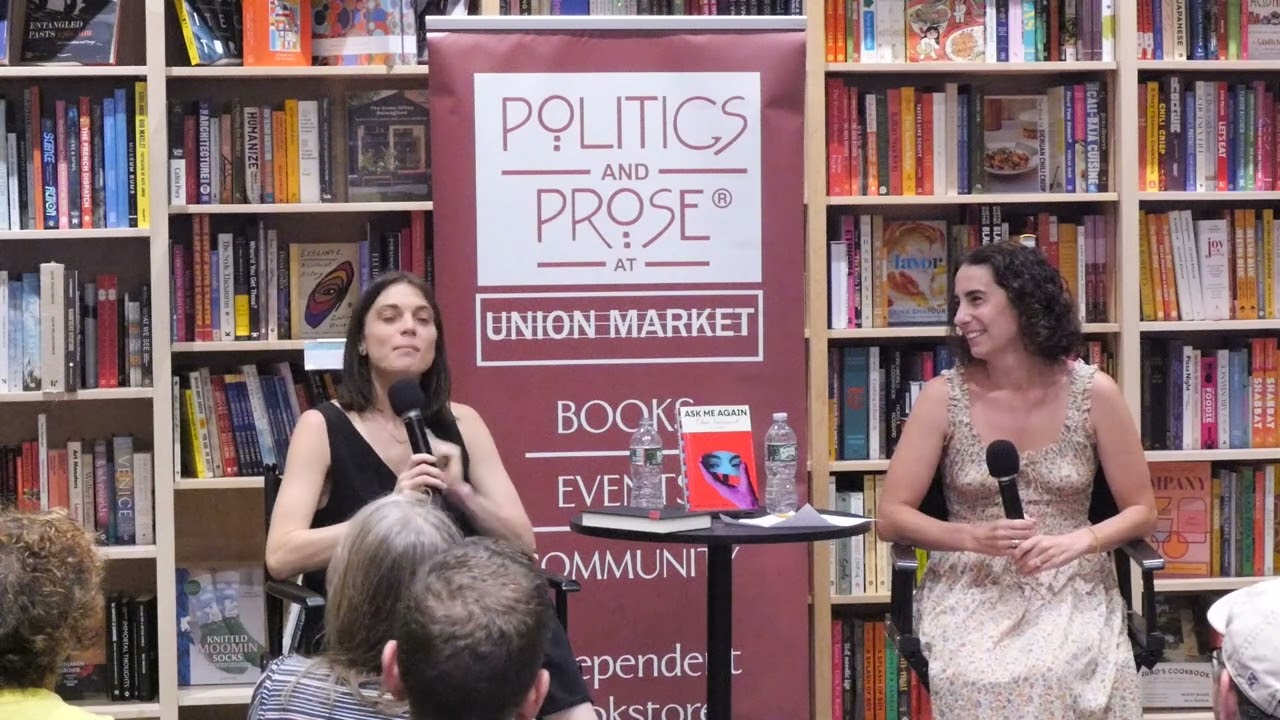
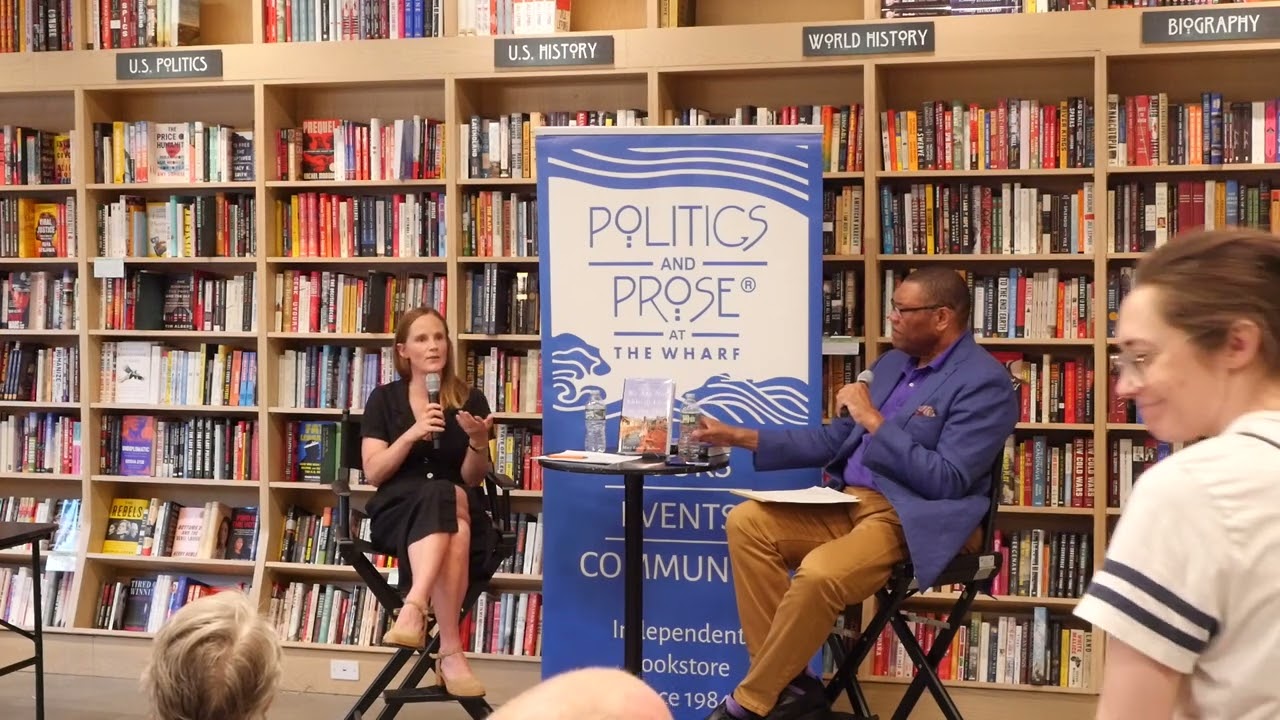
Watch author Mara Kardas-Nelson's book talk and reading at Politics and Prose bookstore in Washington, D.C.
PURCHASE BOOK HERE
In the mid-1970s, Muhammad Yunus, an American-trained Bangladeshi economist, met a poor female stool maker who needed money to expand her business. In an act known as the beginning of microfinance, Yunus lent $27 to 42 women, hoping small credit would help them to pull themselves out of poverty. Soon, Yunus' Grameen Bank was born, and very small, often high-interest loans for poor people took off. In 2006, Yunus and the Grameen Bank won the Nobel Peace Prize "for...creat[ing] economic and social development from below."
But there's a problem with this story. There are mounting concerns that these small loans are as likely to bury poor people in debt as they are to pull them from poverty, with borrowers from India to Kenya facing consequences such as jail time and forced land sales. Hundreds have even reportedly committed suicide.
What happened? Did microfinance take a wrong turn, or was microfinance flawed from the beginning?
Mara Kardas-Nelson's We Are Not Able to Live in the Sky is a story about unintended consequences, blind optimism, and the decades-long ramifications of seemingly small policy choices, rooted in the stories of women borrowers in Sierra Leone, West Africa; their narratives are set against the rise of Yunus's vision that tiny loans would "put poverty in museums," explored through a deep history of modern international development. Kardas-Nelson asks: What is missed with a single, financially-focused solution to global inequity that ignores the real drivers of poverty? Who stands to benefit and, more important, who gets left behind?
Mara Kardas-Nelson is an independent journalist focusing on international development and inequality. Her award-winning work has been supported by the International Women's Media Foundation, Investigative Editors and Reporters, the Richard J. Margolis Award and others and has appeared in the New York Times, the Nation, the Guardian, on NPR, and elsewhere. Mara has also spent years working in global health. Originally from the U.S., she has also lived in Canada, South Africa and Sierra Leone.
Kardas-Nelson is in conversation with James C. Benton, director of the Race and Economic Empowerment Project at the Kalmanovitz Initiative for Labor and the Working Poor at Georgetown University. This position links KI and Georgetown students with community activists and organizations fighting inequality in Washington, D.C. He also serves as vice chair of the board of DC Jobs with Justice. He is the author of Fraying Fabric: How Trade Policy and Industrial Decline Transformed America, the winner of the 2017 Herbert Gutman Award. Dr. Benton’s historical and research interests include labor and social movements, public policy, and United States history from the New Deal to the present. He is a co-designer of Creating an Equitable City, which began in the spring of 2024 at Georgetown University’s Capitol Applied Learning Lab. Before entering academia, Dr. Benton was a journalist and nonprofit researcher. His nonprofit work included investigations on money in politics, whistleblower protections, and congressional ethics, as well as lobbying for the 2006 reauthorization of the Voting Rights Act. Dr. Benton holds doctoral and MA degrees in U.S. history and an MA in liberal studies from Georgetown University.
Be Sure To Click SUBSCRIBE
@politicsprose
Visit us online at
Follow us on Twitter
Follow us on instagram
Like us on Facebook
Follow us on Threads
Follow Us On TikTok
Subscribe to our e-mail newsletter:
Become a store member and save
Audio Archive
Founded by Carla Cohen and Barbara Meade in 1984, Politics and Prose Bookstore is Washington, D.C.'s premier independent bookstore and cultural hub, a gathering place for people interested in reading and discussing books. Politics and Prose offers superior service, unusual book choices, and a haven for book lovers in the store and online.
Sentinel Indexing in Progress
Metadata and chapters are available. Claim extraction for this episode is pending.
All video content is delivered via YouTube embedded players in accordance with the YouTube Terms of Service. Sentinel provides research tools that promote discovery and accountability across political media.