Politics and Prose
@politicsprose·255K subscribers·4K videos
Fara Dabhoiwala — What Is Free Speech?: The History of a Dangerous Idea - with Ronald Collins
Posted
August 7, 2025
Views
1,433
Likes
42
Engagement
2.93%
August 7, 2025
1,433
42
2.93%
Every word spoken in this episode is indexed. Type any phrase to jump straight to the moment it was said.
Type any word or phrase that may have been spoken. Click a result to seek the player to that exact moment.
Try a name, a topic, or a quoted line
 57:45Now Playing
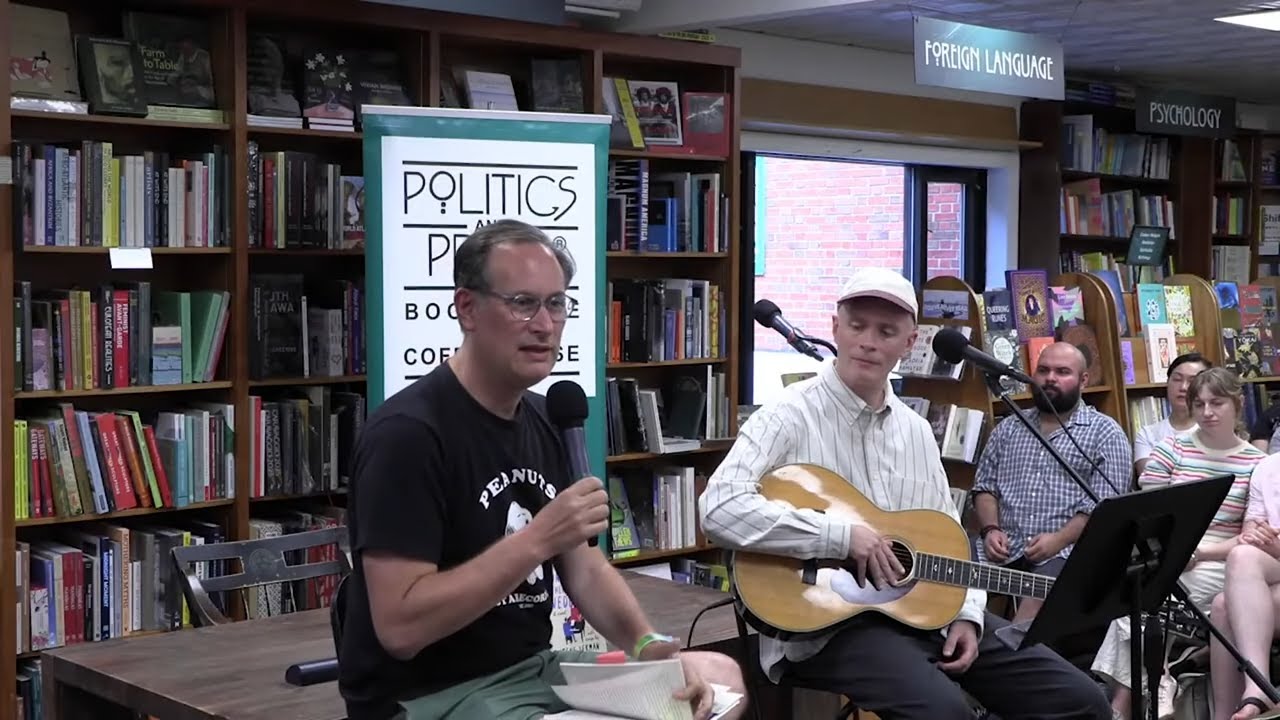
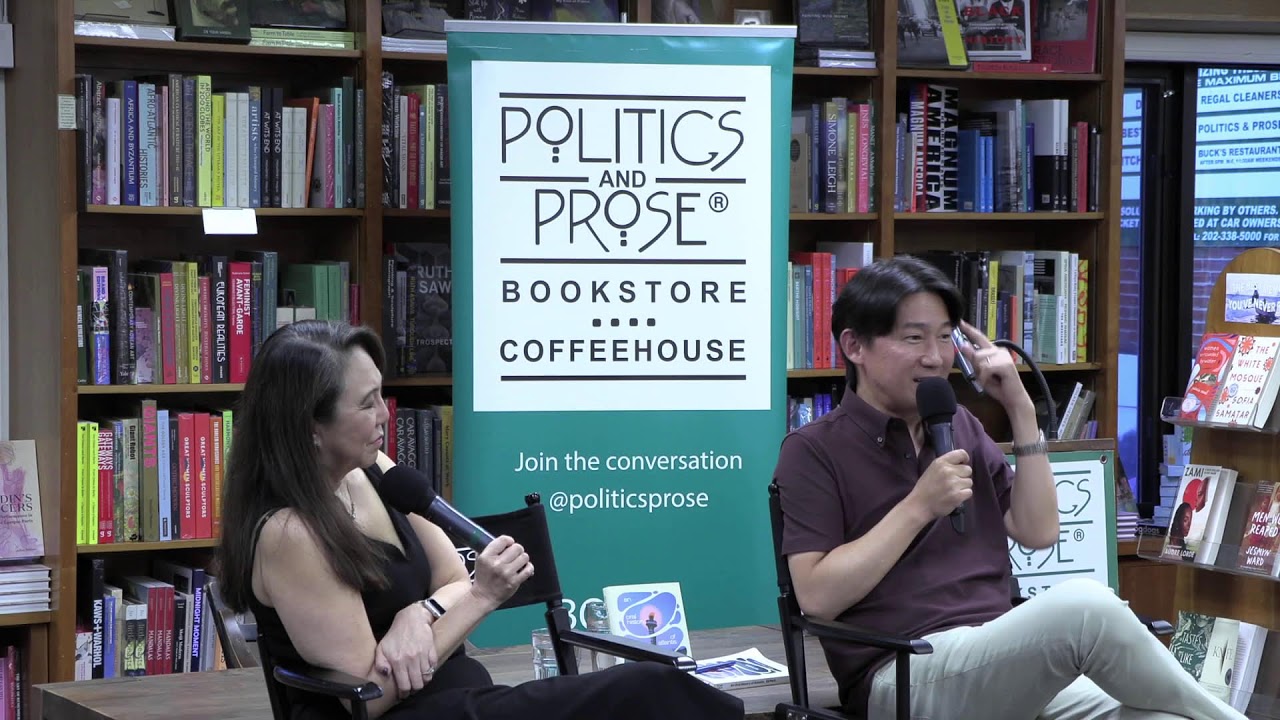
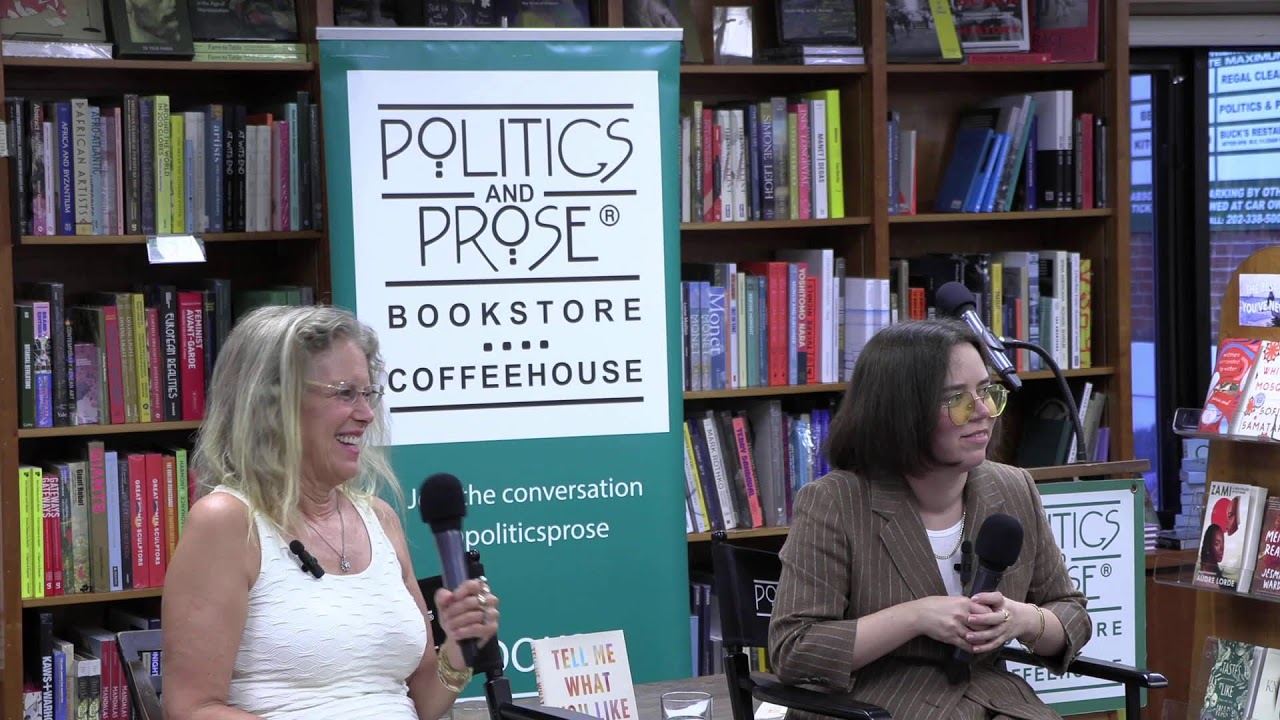
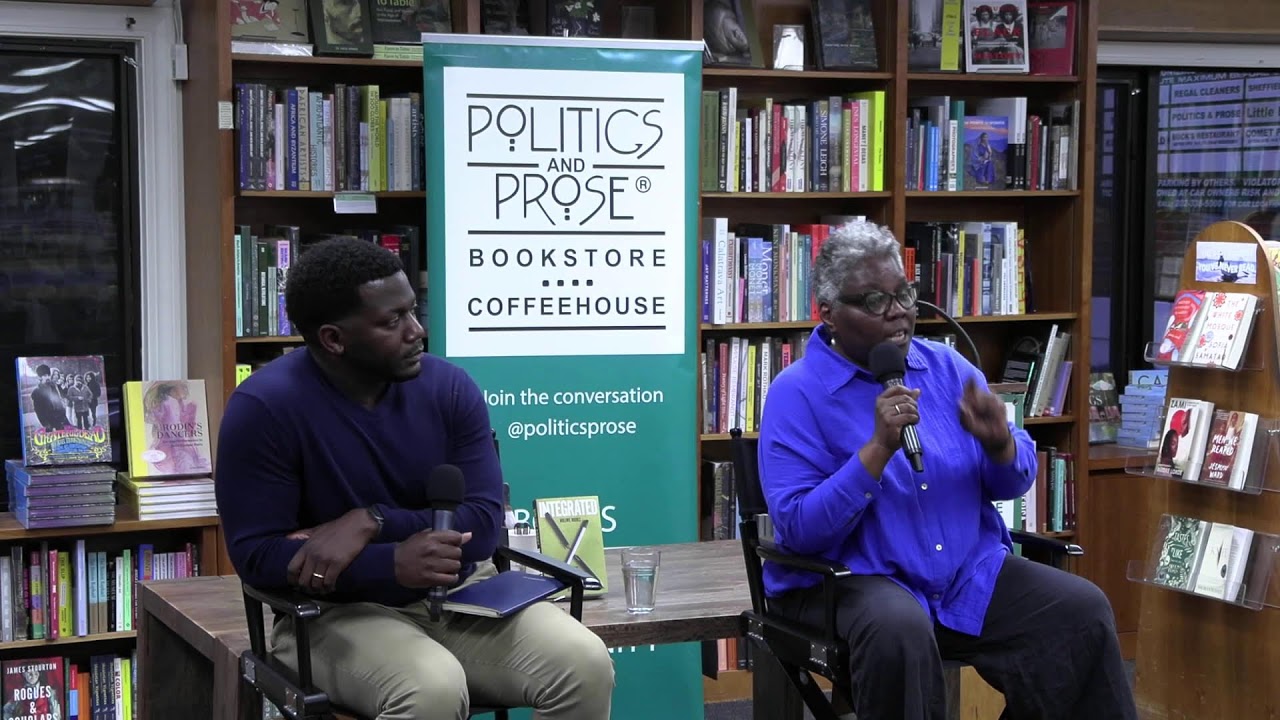
Watch author Fara Dabhoiwala's book talk and reading at Politics and Prose bookstore in Washington, D.C.
PURCHASE BOOK HERE
Every premodern society, from Sumeria to China to seventeenth-century Europe, knew that bad words could destroy lives, undermine social order, and create political unrest. Given the obvious dangers of outspokenness, regulating speech and print was universally accepted as a necessary and proper activity of government. Only in the early 1700s did this old way begin to break down. In a brief span of time, the freedom to use words as one pleased was reimagined as an ideal to be held and defended in common.
Fara Dabhoiwala explores the surprising paths free speech has taken across the globe since its invention three hundred years ago. Though free speech has become a central democratic principle, its origins and evolution have less to do with the high-minded pursuit of liberty and truth than with the self-interest of the wealthy, the greedy, and the powerful. Free speech, as we know it, is a product of the pursuit of profit, of technological disruption, of racial and imperial hypocrisy, and of the contradictions involved in maintaining openness while suppressing falsehood. For centuries, its shape has everywhere been influenced by international, not just national, events; nowhere has it ever been equally available to women, the colonized, or those stigmatized as racially inferior.
Rejecting platitudes about the First Amendment and its international equivalents, and leaving no ideological position undisturbed, What Is Free Speech? is the unsettling history of an ideal as cherished as it is misunderstood.
Fara Dabhoiwala is Senior Research Scholar and Professor in the Department of History at Princeton University and author of The Origins of Sex: A History of the First Sexual Revolution. Formerly on faculty at the University of Oxford, he is a Fellow of the Royal Historical Society, All Souls College, and Exeter College.
Dabhoiwala is in conversation with Ronald Collins. Collins is a retired law professor, co-founder of the History Book Festival, and co-founder and co-chair of the First Amendment Salons. He is the editor of the weekly online blog First Amendment News ]and editor of Attention (an online journal on the life and legacy of Simone Weil). He is also the Lewes Public Library's Distinguished Lecturer. He is the author or co-author of 13 books on topics ranging from free speech to racial justice, from robotics to poetry, and from literature to jurisprudence. His biographical works have profiled the likes of Floyd Abrams, Lenny Bruce, Jack Kerouac, Allen Ginsberg, Lawrence Ferlinghetti, Simone Weil, and Emmett Till. He served as a Supreme Court fellow under Chief Justice Warren Berger and later was a Norman Mailer fellow. His latest book is Tragedy on Trial: The Story of the Infamous Emmett Till Murder Trial (2024). His next book is a novel titled Forbidden Freedom.
Be Sure To Click SUBSCRIBE
@politicsprose
Visit us online at
Follow us on Twitter
Follow us on instagram
Like us on Facebook
Follow us on Threads
Follow Us On TikTok
Subscribe to our e-mail newsletter:
Become a store member and save
Audio Archive
Founded by Carla Cohen and Barbara Meade in 1984, Politics and Prose Bookstore is Washington, D.C.'s premier independent bookstore and cultural hub, a gathering place for people interested in reading and discussing books. Politics and Prose offers superior service, unusual book choices, and a haven for book lovers in the store and online.
#books #booktube
Sentinel Indexing in Progress
Metadata and chapters are available. Claim extraction for this episode is pending.
All video content is delivered via YouTube embedded players in accordance with the YouTube Terms of Service. Sentinel provides research tools that promote discovery and accountability across political media.