Politics and Prose
@politicsprose·255K subscribers·4K videos
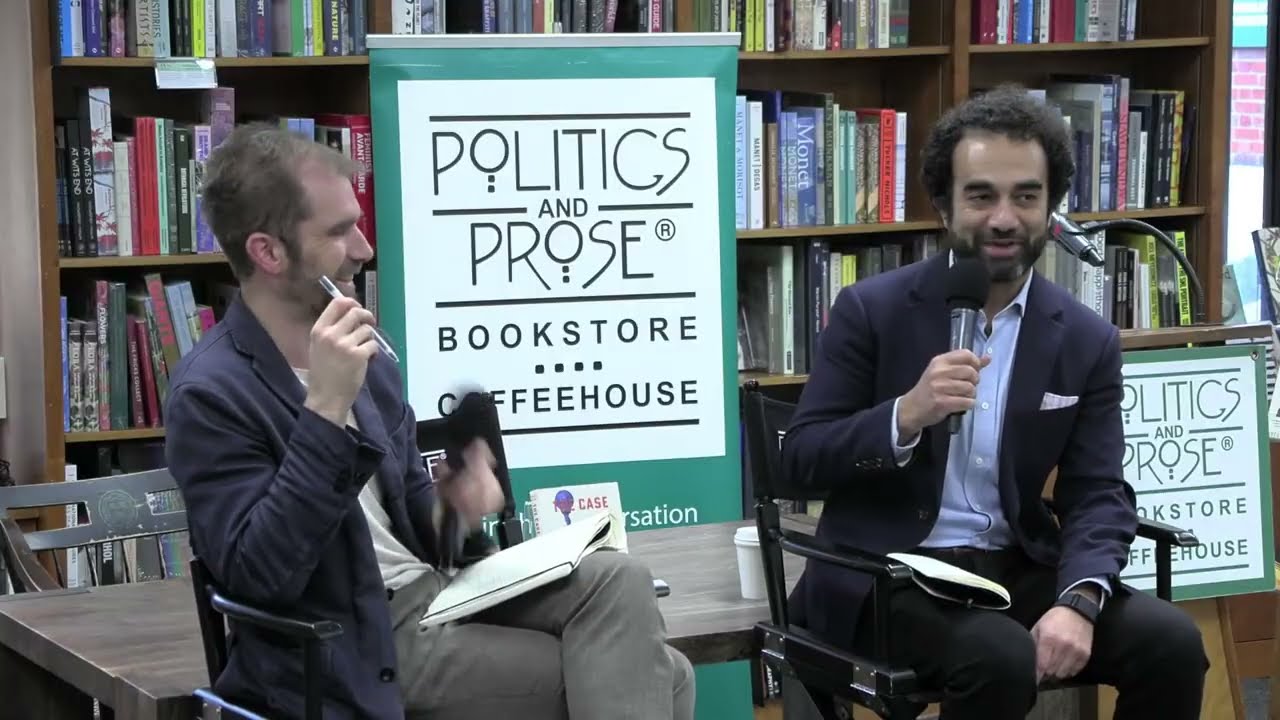
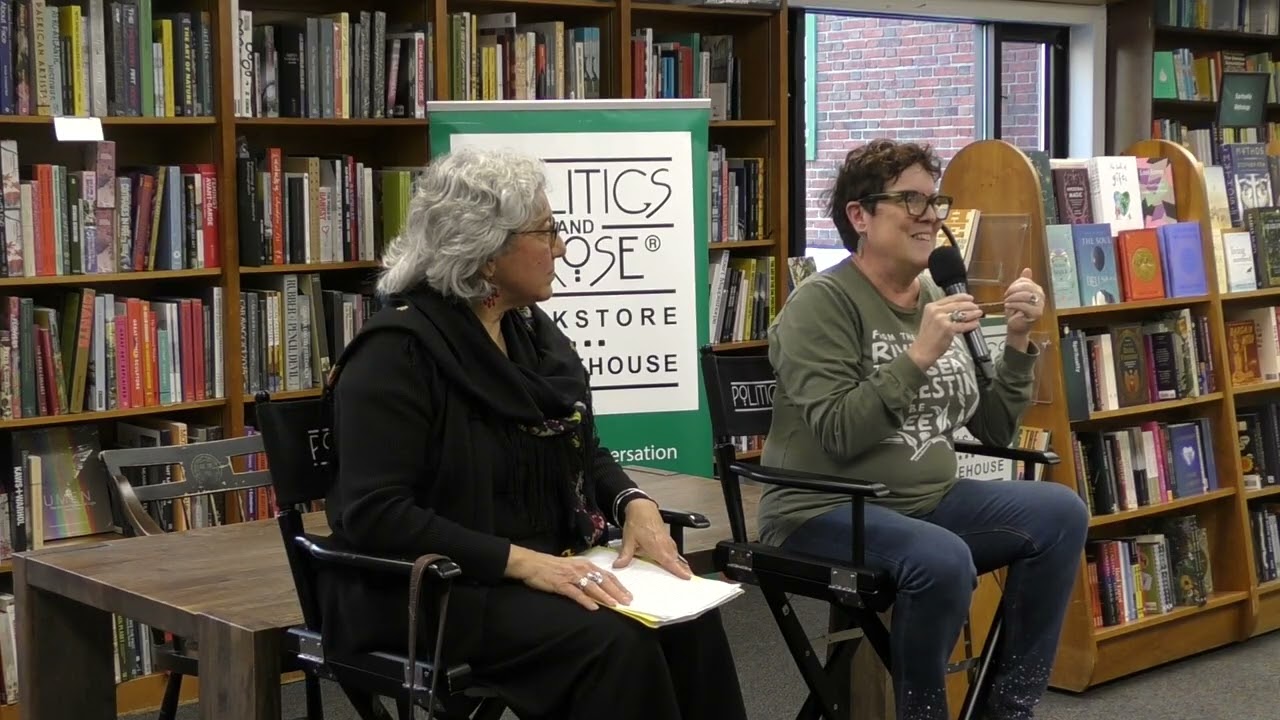
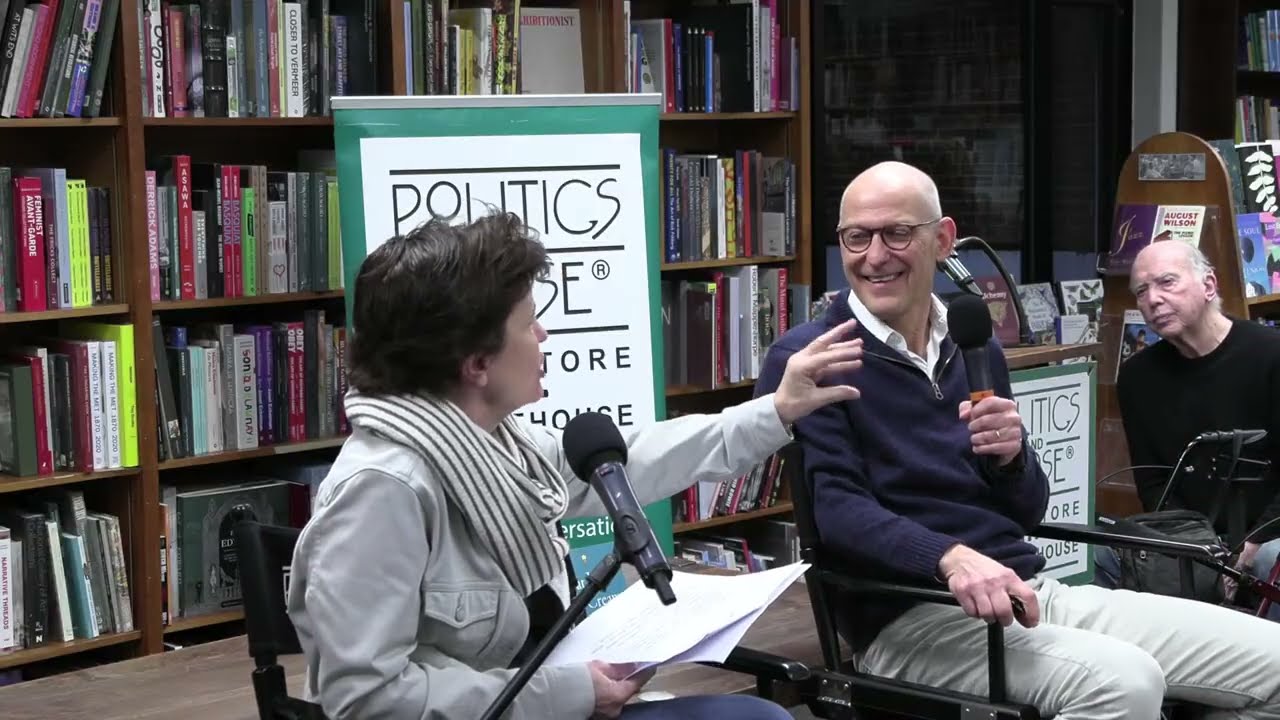
Book Talk: Sharon Cornelissen — The Last House on the Block- with Janneke Ratcliffe
Posted
December 12, 2025
Views
568
Likes
10
Engagement
1.76%
December 12, 2025
568
10
1.76%
Every word spoken in this episode is indexed. Type any phrase to jump straight to the moment it was said.
Type any word or phrase that may have been spoken. Click a result to seek the player to that exact moment.
Try a name, a topic, or a quoted line
 57:18Now Playing
Watch author Sharon Cornelissen's book talk and reading at Politics and Prose bookstore in Washington, D.C.
In the minds of many, Detroit is undergoing a renaissance thanks to gentrifying urbanites who've been drawn to the city with the promise of cheap housing and thriving culture. But what happens when gentrification attempts to come to one of the most depopulated neighborhoods in the country--a place where every other property in the neighborhood was a vacant lot and every third house stood empty? To find out, Sharon Cornelissen moved to the Brightmoor neighborhood of Detroit for three years and became the owner of a $7,000 house.
The Last House on the Block takes us to Brightmoor to meet Cornelissen's fellow residents. She introduces us to the long-time residents of the neighborhood who reveal their struggles to keep a home while keeping violence, tall grass, and yes--gentrification--at bay. We also meet the eclectic white newcomers of Brightmoor and learn about their real estate bargains, urban farms, and how they became the unlikely defenders of urban desolation. Where oldtimers take pride in neatly mowed lawns and hope for a return to residential density, newcomers love the open space and aim to buy more empty lots to raise chickens and goats. It is a story of gentrification, but not at all in the usual sense: it is a case of failed gentrification. We often think about gentrification as an unstoppable force--once the first white newcomers with yoga mats enter an often brown or Black community, the coffee shops and restaurants follow. But in Brightmoor, the dreams of white newcomers met the harsh reality of decade-long decline. Nearly a decade after Cornelissen's fieldwork began, Brightmoor is even emptier than it was when she started.
Today, depopulation remains more common than gentrification in poor communities. Cornelissen's story offers deep insights into what it is like to live in a declining neighborhood, and through the example of Brightmoor, Cornelissen reveals why depopulation continues and helps us imagine a more inclusive and equitable city turnaround.
Sharon Cornelissen is a sociologist and national housing expert. As director of housing at the Consumer Federation of America, she leads research and advocacy to help end our housing crisis. She received her doctorate in sociology from Princeton University and previously worked at the Harvard Joint Center for Housing Studies. Originally from the Netherlands, she now lives in Washington DC.
Cornelissen is in conversation with Janneke Ratcliffe, vice president for the Housing and Communities Division at the Urban Institute. Over a career that spans industry, the nonprofit sector, academic research, and the federal government, her work focuses on increasing access to financial systems that foster economic security and prosperity. Ratcliffe came to Urban from the Consumer Financial Protection Bureau, where she served as assistant director, leading its Office of Financial Education. Ratcliffe serves on the National Advisory Council of the National Housing Council (for a three-year term beginning 2024) and on the Consumer Affairs Advisory Council of the Mortgage Bankers Association, Fannie Mae’s Affordable Housing Advisory Council for 2024–25, and the National Community Stabilization Trust Board of Managers. Ratcliffe is a graduate of the University of North Carolina at Chapel Hill, where she studied economics and French.
PURCHASE BOOK HERE
@politicsprose
Visit us online at
Listen on Spotify
Politics and Prose is a beloved and award-winning staple for book lovers around the nation's capital and the world. In addition to our incredible selection of titles, Politics and Prose offers public book talks with today's leading authors and journalists.
Founded by Carla Cohen and Barbara Meade in 1984, Politics and Prose Bookstore is Washington, D.C.'s premier independent bookstore and cultural hub, a gathering place for people interested in reading and discussing books. Politics and Prose offers superior service, unusual book choices, and a haven for book lovers in the store and online.
#books #booktube
Sentinel Indexing in Progress
Metadata and chapters are available. Claim extraction for this episode is pending.
All video content is delivered via YouTube embedded players in accordance with the YouTube Terms of Service. Sentinel provides research tools that promote discovery and accountability across political media.