
Civilization #19: Gilgamesh and Mesopotamia's Quest for Immortality
November 28, 2024
106,593
2,152
194
2.20%
Search the Record
IndexedEvery word spoken in this episode is indexed. Type any phrase to jump straight to the moment it was said.
Type any word or phrase that may have been spoken. Click a result to seek the player to that exact moment.
Try a name, a topic, or a quoted line
Predictive History Episodes Around November 28, 2024
See what was published immediately before and after this episode.



 53:51Now Playing
Civilization #19: Gilgamesh and Mesopotamia's Quest for Immortality




YouTube Description
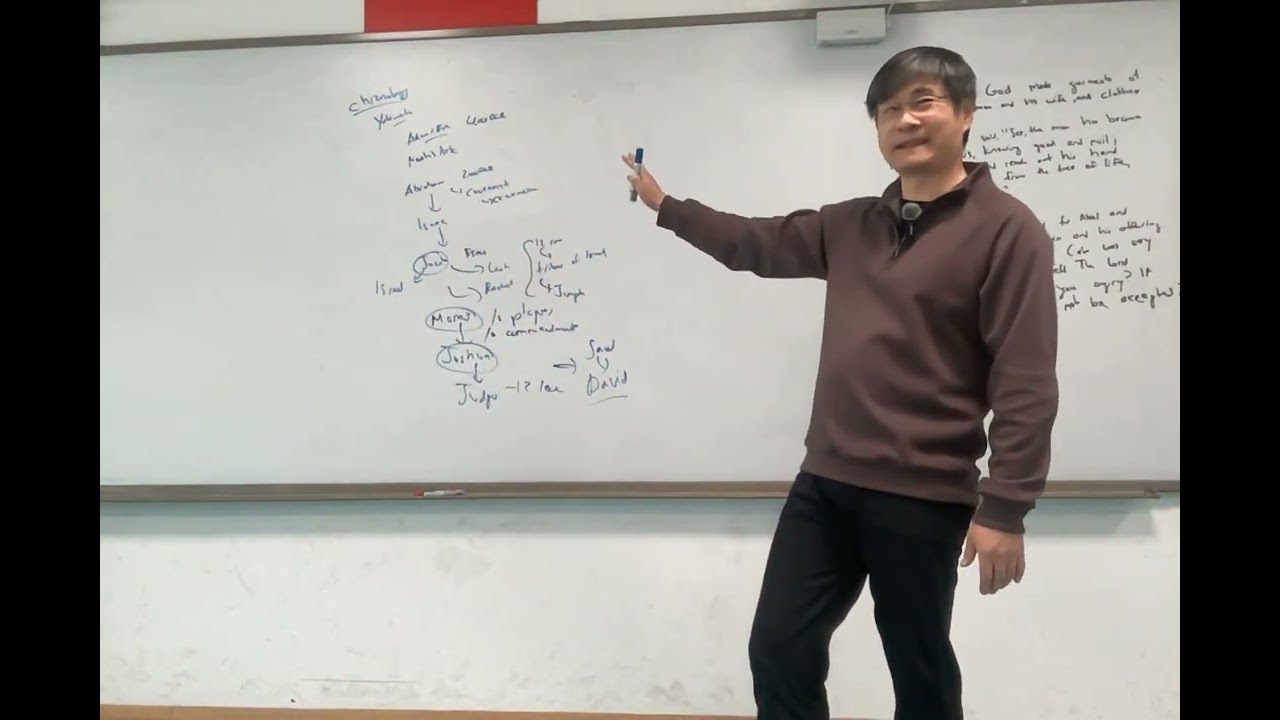
as posted by the channelIn this lecture to his Chinese high school students, Jiang Xueqin explains why Mesopotamia became the cradle of civilization.
He explains that geography determined the destinies and mythologies of Egypt and Mesopotamia. Protected by natural boundaries and nurtured by the bountiful Nile, Egypt believed in benevolent Gods. Mesopotamia had no natural boundaries and its two rivers -- the Euphrates and Tigris -- were mercurial and chaotic, which led people to believe that the Gods demanded their servitude and struggle. This belief is expressed in the two major mythologies of Mesopotamia -- "Enuma Elish" as well as "The Epic of Gilgamesh."
This belief, as well as the fact that Mesopotamia was the center of the Bronze Age world, led the Sumerians to create the innovations that would form the basis of civilization.
Guests & Subjects Covered
Sentinel Indexing in Progress
Metadata and chapters are available. Claim extraction for this episode is pending.
All video content is delivered via YouTube embedded players in accordance with the YouTube Terms of Service. Sentinel provides research tools that promote discovery and accountability across political media.