
Civilization #40: Church and Empire
March 20, 2025
95,759
1,951
292
2.34%
Search the Record
IndexedEvery word spoken in this episode is indexed. Type any phrase to jump straight to the moment it was said.
Type any word or phrase that may have been spoken. Click a result to seek the player to that exact moment.
Try a name, a topic, or a quoted line
Predictive History Episodes Around March 20, 2025
See what was published immediately before and after this episode.




 1:09:38Now Playing
Civilization #40: Church and Empire


YouTube Description
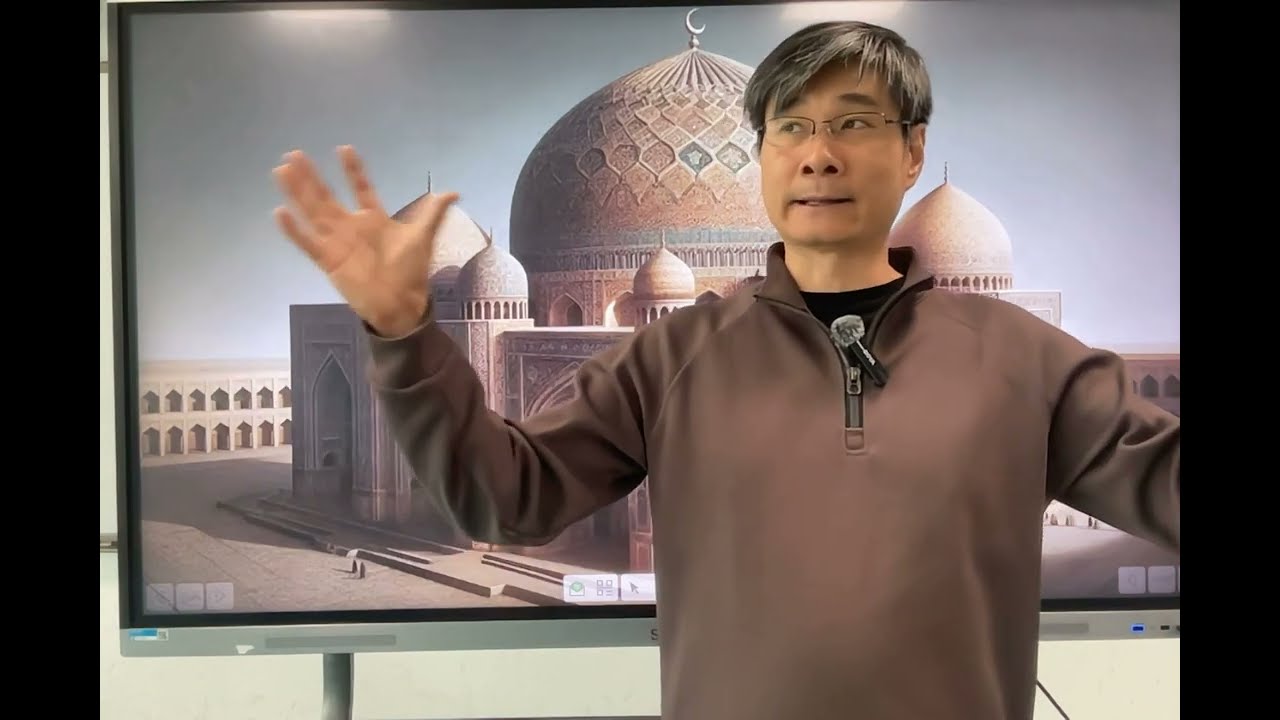
as posted by the channelWhat were the Crusades? Why did they start? Why did they end?
In this talk to his Chinese high school students, Jiang Xueqin explores the history of Europe's late middle ages. He shows that while the Roman Catholic Church was dominant, there were still challenges to its authority. Muslims controlled the Holy Land, Muslim Iberia was more wealthy and innovative, and the Orthodox Church claimed sovereignty. As well, Catholic clerics were considered corrupt, which led to widespread dissent.
In 1095, Pople Urban II hoped to channel his flock's religious energy, and direct it to warfare against Muslims and heretics in order to cement the authority of the Church. Crusaders captured Jerusalem, conquered the Iberian peninsula, and crushed the Cathars.
The Crusades ended when a series of crises engulfed Europe in the fourteenth century. Biblical rains, famine, war, and the Black Death halved Europe's population.
In his conclusion, Jiang explains that Europe's Crusading fever never died out. In the Age of Exploration, Europe's new Crusaders would cross the Atlantic.
Guests & Subjects Covered
Sentinel Indexing in Progress
Metadata and chapters are available. Claim extraction for this episode is pending.
All video content is delivered via YouTube embedded players in accordance with the YouTube Terms of Service. Sentinel provides research tools that promote discovery and accountability across political media.