Prof Sam Vaknin
@samvaknin·443K subscribers·2.3K videos
Why Narcissist Happy, Depressed, Remorseful? Plus Boredom
Posted
January 30, 2021
Views
62,125
Likes
2,360
Comments
64
Engagement
3.90%
January 30, 2021
62,125
2,360
64
3.90%
Every word spoken in this episode is indexed. Type any phrase to jump straight to the moment it was said.
Type any word or phrase that may have been spoken. Click a result to seek the player to that exact moment.
Try a name, a topic, or a quoted line
 52:54Now Playing
The narcissist is happy AND depressed at the same time! (affective ambivalence). He regrets things he had done and choices he had made - but shouldn't have!
Summary of boredom (without nothingness philosophy)
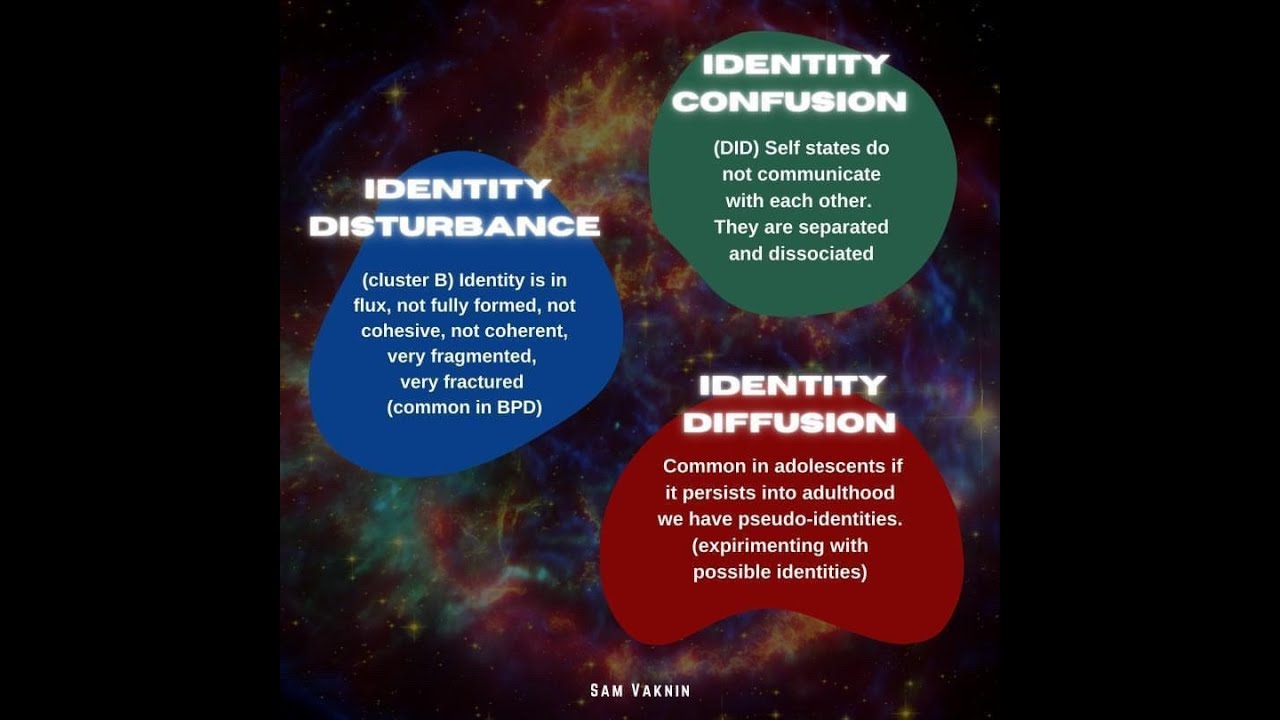
In many personality disorders, approach-avoidance behaviors, repetition compulsions, identity disturbance, and alternating self-states create affective ambivalence: two concurrently experienced moods or affects which contradict each other and are, usually, mutually exclusive.
The avoidant and the schizoid narcissist, for example, endure simultaneous dissonant ego-syntonic happiness, gratification, and satisfaction and ego-dystonic depression and regret, mainly at the costs of the contentment (“happiness”) attained.
These costs include: social (schizoid), emotional (dysregulation), psychosexual (immaturity and relationship failures), and impairment of reality testing and cognition (delusions, grandiosity, other deficits).
Regret makes sense only if there is personal continuity, immutable core identity. Person A can regret having acted in a certain way or having chosen inaction over action only if he has remained largely Person A.
But in identity disturbance, common in many personality disorders and other mental illnesses, self-states are far apart and transformations over time are startling: Person A effectively becomes an almost unrelated Person B. There is no constancy of traits, behaviors, values, or any other parameter of identity.
It makes no sense for Person B to regret the behaviors, choices, and decisions of Person A, although, of course, he can disagree with them and criticize or deride Person A.
Person B can, however, regret not having coalesced and emerged earlier: having allowed Person A to control all the resources hitherto. It is akin to resenting our mortality for limiting the number of possible experiences.
Moreover: Person B could not have emerged and taken over earlier - or he would have. Pseudoidentities are suboptimal, but they are ego syntonic narrative strategies asymptotic to the optimum. They are, therefore, mutually exclusive.
Find and Buy MOST of my BOOKS and eBOOKS in my Amazon Store
Sentinel Indexing in Progress
Metadata and chapters are available. Claim extraction for this episode is pending.
All video content is delivered via YouTube embedded players in accordance with the YouTube Terms of Service. Sentinel provides research tools that promote discovery and accountability across political media.