Prof Sam Vaknin
@samvaknin·443K subscribers·2.3K videos
Borderline: Narcissist’s Mirror (and Avoidant Personality Disorder)
Posted
October 5, 2022
Views
68,312
Likes
2,589
Comments
106
Engagement
3.95%
October 5, 2022
68,312
2,589
106
3.95%
Every word spoken in this episode is indexed. Type any phrase to jump straight to the moment it was said.
Type any word or phrase that may have been spoken. Click a result to seek the player to that exact moment.
Try a name, a topic, or a quoted line
 38:15Now Playing
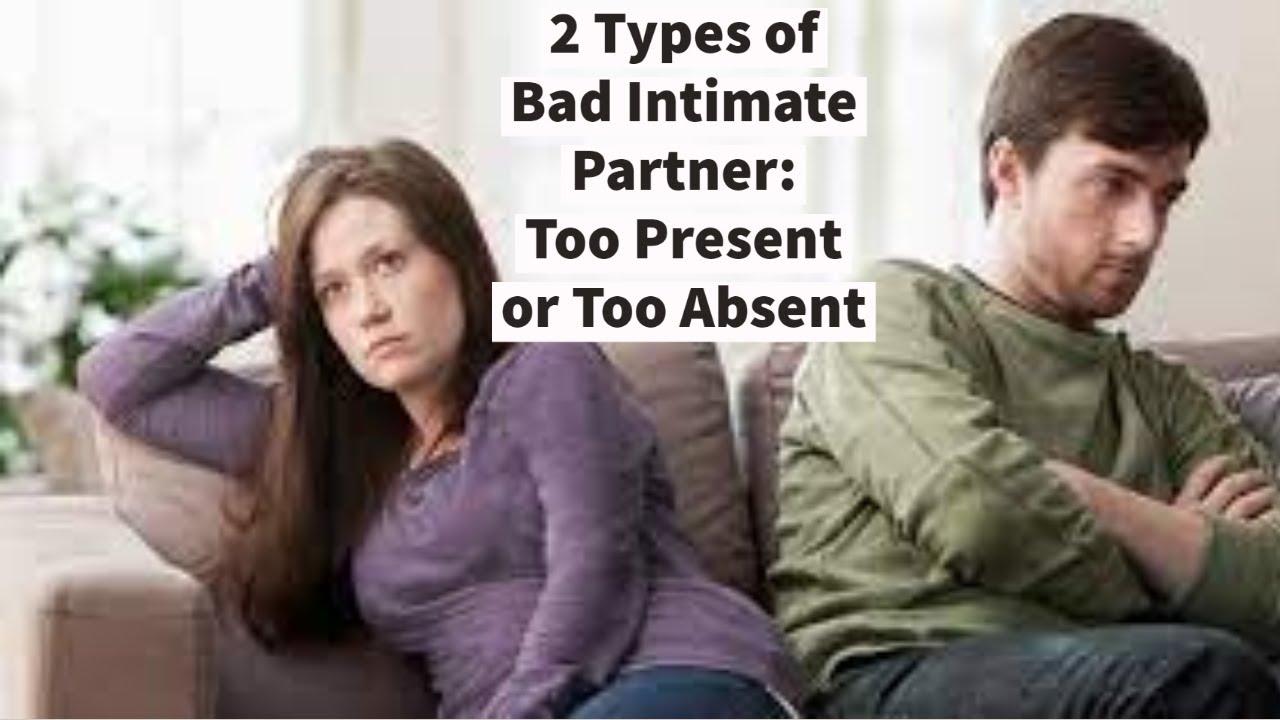
Narcissist is bothered by your presence – borderline by your absence
Both try to dissolve you and eliminate your separateness, agency, personal autonomy, and independence
Either by rendering you inanimate and penalizing you for any deviation and divergence
Or by merging and fusing with you while outsourcing to you critical psychological needs and functions.
Both need to devalue and discard you:
The narcissist in order to reenact separation-individuation from a mother figure
The borderline in order to ameliorate engulfment anxiety.
Both of them become avoidant and schizoid at some stage.
The narcissist either because of deficient or negative supply (narcissistic injury or mortification) or to process a corrupted introject
The borderline in order to lick her wounds and develop abandonment anxiety sufficient to trigger another round of approach-avoidance repetition compulsion.
Should not be confused with Avoidant Personality Disorder which is an anxiety reaction to perceived or anticipated rejection – rather than a psychopathic reaction (like the Borderline’s).
AvPD is connected to people pleasing, indecisiveness, schizoid states, and to risk and conflict aversion, hesitancy, and extreme self-doubt.
WATCH Hypervigilance and Intuition as Forms of Anxiety
People suffering from Avoidant Personality Disorder feel inadequate, unworthy, inferior, and lacking in self-confidence. As a result, they are shy and socially inhibited. Aware of their real (and, often, imagined) shortcomings, they are constantly on the lookout, are hypervigilant and hypersensitive.
Even the slightest, most constructive and well-meant or helpful criticism and disagreement are perceived as complete rejection, ridicule, and shaming. Consequently, they go to great lengths to avoid situations that require interpersonal contact - such as attending school, making new friends, accepting a promotion, or teamwork activities. Hence Avoidant Personality Disorder.
Inevitably, Avoidants find it difficult to establish intimate relationships. They "test' the potential friend, mate, or spouse to see whether they accept them uncritically and unconditionally.
They demand continue verbal reassurances that they really wanted, desired, loved, or cared about.
When asked to describe Avoidants, people often use terms such as shy, timid, lonely, isolated, "invisible", quiet, reticent, unfriendly, tense, risk-averse, resistant to change (reluctant), restricted, "hysterical", and inhibited.
Avoidance is a self-perpetuating vicious cycle: the Avoidant's stilted mannerisms, fears for her personal safety and security, and stifled conduct elicit the very ridicule and derision that he or she so fears!
Even when confronted with incontrovertible evidence to the contrary, Avoidants doubt that they are socially competent or personally appealing. Rather than let go of their much cherished self-image, they sometimes develop persecutory delusions. For instance, they may regard honest praise as flattery and a form of attempted manipulation.
Avoidants ceaselessly fantasize about ideal relationships and how they would outshine everyone else in social interactions but are unable to do anything to realize their Walter Mitty fantasies.
In public settings, Avoidants tend to keep to themselves and are very reticent. When pressed, they self-deprecate, act overly modest, and minimize the value of their skills and contributions. By doing so, they are trying to preempt what they believe to be inevitable forthcoming criticism by colleagues, spouses, family members, and friends.
From the entry I wrote for the Open Site Encyclopedia:
The disorder affects 0.5-1% of the general population (or up to 10% of outpatients seen in mental clinics). It is often comorbid with certain Mood and Anxiety Disorders, with the Dependent and Borderline Personality Disorders, and with the Cluster A personality disorder (Paranoid, Schizoid, and Schizotypal).
Find and Buy MOST of my BOOKS and eBOOKS in my Amazon Store
Sentinel Indexing in Progress
Metadata and chapters are available. Claim extraction for this episode is pending.
All video content is delivered via YouTube embedded players in accordance with the YouTube Terms of Service. Sentinel provides research tools that promote discovery and accountability across political media.