ReasonTV
@ReasonTV·1.4M subscribers·4.8K videos
Timothy Sandefur on The Right to Earn a Living
Posted
September 27, 2010
Views
10,414
Likes
307
Comments
72
Engagement
3.64%
September 27, 2010
10,414
307
72
3.64%
Every word spoken in this episode is indexed. Type any phrase to jump straight to the moment it was said.
Type any word or phrase that may have been spoken. Click a result to seek the player to that exact moment.
Try a name, a topic, or a quoted line
 8:18Now Playing
"The rational basis test was basically concocted out of thin air by the Progressive movement, gradually, but applied to American law with no constitutional basis. That's why you have cases like [the eminent-domain case] Kelo or these licensing restrictions that prohibit people from earning an honest living."
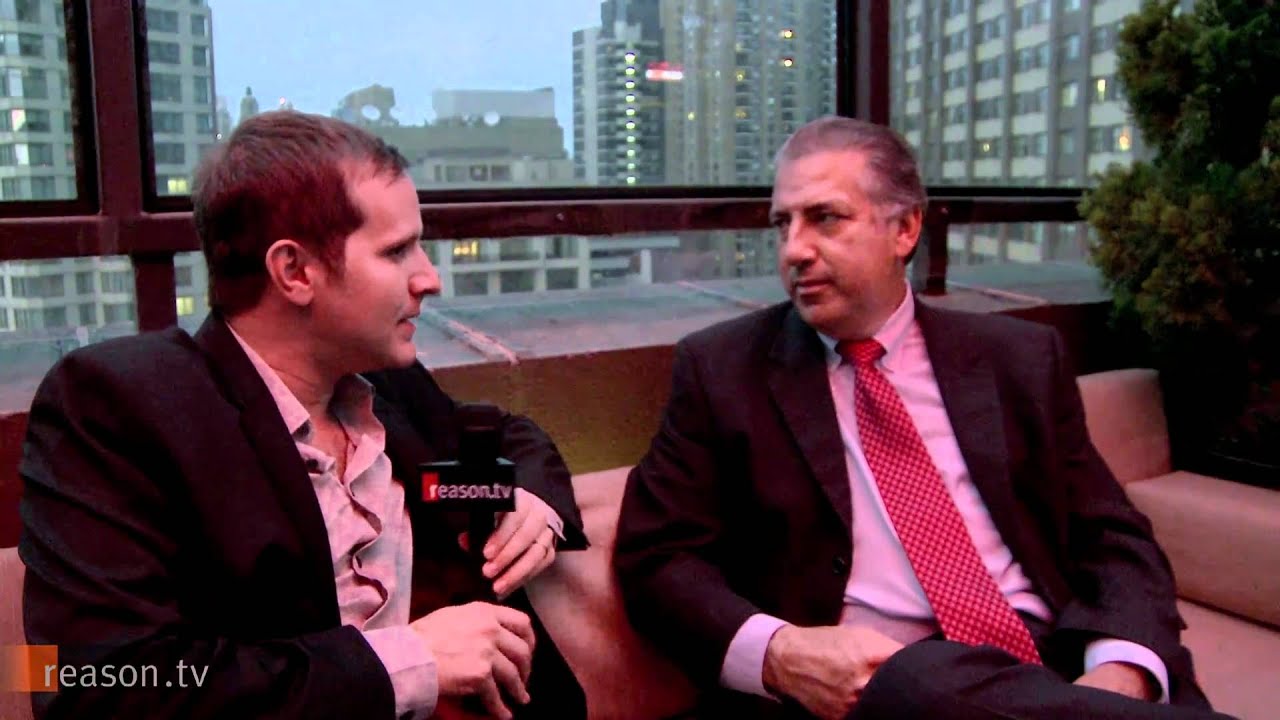
So says Pacific Legal Foundation attorney and author, Timothy Sandefur, who sat down with Reason.tv to discuss his book The Right to Earn a Living. The "rational basis" review grew out of a 1938 Supreme Court case and essentially argues that as long as a government action can be "rationally tied" to a "legitimate" government interest, anything goes.
Sandefur discusses the "four big Progressive ideas" that came about during the New Deal-era Supreme Court in the 1930's. They include: 1) Rather than being inherent, rights are permissions given to individuals by the state; 2) Government exists to "improve" society, not to protect individual rights; 3) A reading of judicial restraint that means when government violates your rights, the courts should do nothing about it; and 4) Belief in a "living Constitution," that will be radically reinterpreted in various contexts.
Approximately 8.30 minutes.
Shot by Jim Epstein and Dan Hayes. Edited by Dan Hayes.
Go to Reason.tv for HD, iPod, and audio versions of this and all our videos and subscribe to Reason.tv's YouTube channel to receive automatic notification when new content is posted.
Sentinel Indexing in Progress
Metadata and chapters are available. Claim extraction for this episode is pending.
All video content is delivered via YouTube embedded players in accordance with the YouTube Terms of Service. Sentinel provides research tools that promote discovery and accountability across political media.