ReasonTV
@ReasonTV·1.4M subscribers·4.8K videos
Why U.S. Health Care Costs More Than Canada's: "A Mercedes Costs More than a Corolla"
Posted
October 4, 2012
Views
38,778
Likes
593
Comments
391
Engagement
2.54%
October 4, 2012
38,778
593
391
2.54%
Every word spoken in this episode is indexed. Type any phrase to jump straight to the moment it was said.
Type any word or phrase that may have been spoken. Click a result to seek the player to that exact moment.
Try a name, a topic, or a quoted line
 3:22Now Playing
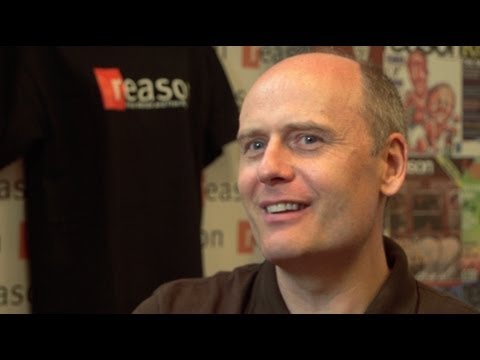
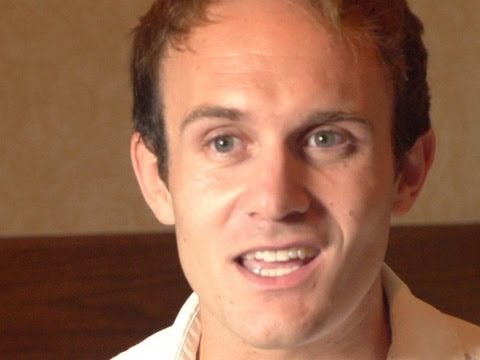
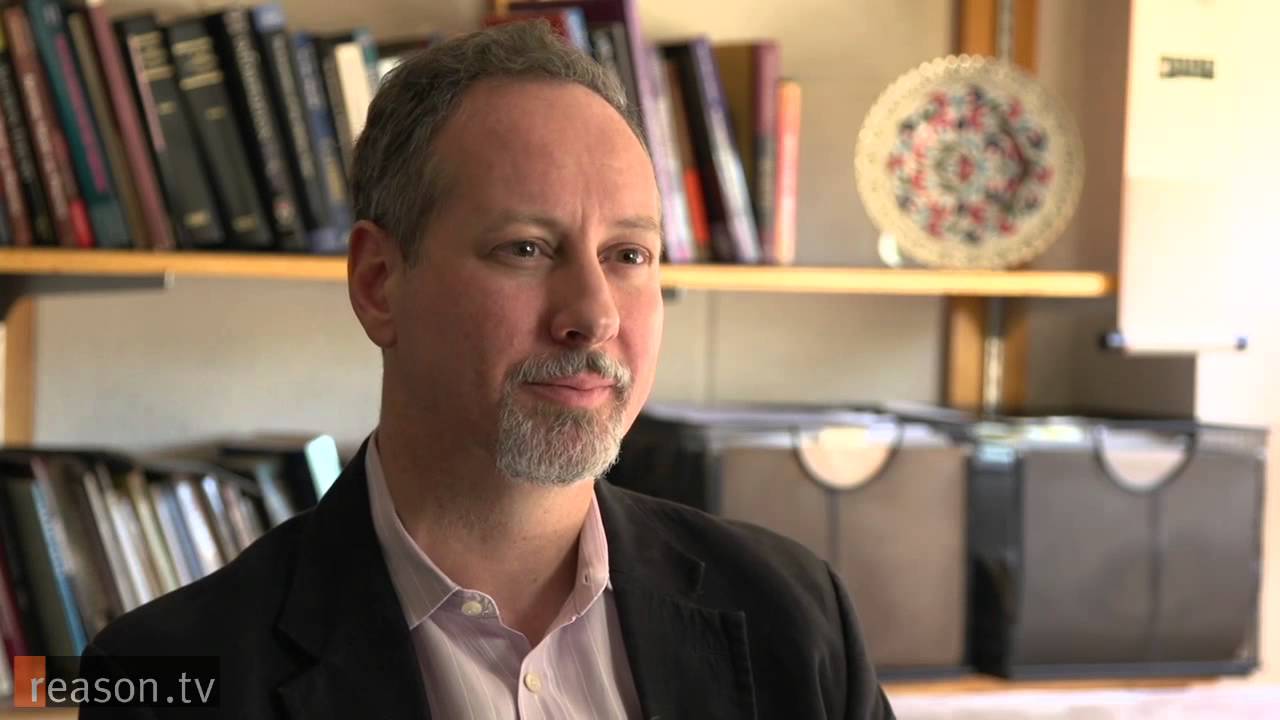
"The American [health care] system is more expensive than the Canadian system," says Michel Kelly-Gagnon, president of the Montreal Economic Institute. "To that, I answer that a Mercedes is indeed more expensive than a Toyota Corolla."
"Thank god for that," he says, explaining that innovation depends on early adopters who are far more likely to be well-off and pay high rates for new and better options. That doesn't mean only the rich benefit, though. "Certain treatments that are only available to the richest people," he says, "will eventually become more economical and the whole world will benefit."
Kelly-Gagnon says that some variation on universal coverage is already a "political reality" in most developed countries, where citizens don't let large numbers of people die from curable diseases. But the focus on coverage rates obscures the problems created by single-payer systems such as Canada's, where costs are kept down via rationing and long wait times for services taken for granted in the United States. "Once you've established that [universal coverage] is how it's going to be," says Kelly-Gagnon, the real question is "how do you find more private solutions" that will serve more people at better rates.
About 3.20 minutes.
Produced by Anthony L. Fisher. Camera by Josh Swain.
Visit for downloadable versions and visit youtube.com/reasontv to subscribe to our videos.
Sentinel Indexing in Progress
Metadata and chapters are available. Claim extraction for this episode is pending.
All video content is delivered via YouTube embedded players in accordance with the YouTube Terms of Service. Sentinel provides research tools that promote discovery and accountability across political media.