
Are the 7 Dirty Words Still Dirty on the Internet? Robert Corn-Revere on New Media Censorship
March 22, 2013
4,289
63
13
1.77%
Search the Record
IndexedEvery word spoken in this episode is indexed. Type any phrase to jump straight to the moment it was said.
Type any word or phrase that may have been spoken. Click a result to seek the player to that exact moment.
Try a name, a topic, or a quoted line
ReasonTV Episodes Around March 22, 2013
See what was published immediately before and after this episode.



 1:19:35Now Playing
Are the 7 Dirty Words Still Dirty on the Internet? Robert Corn-Revere on New Media Censorship


YouTube Description
as posted by the channel"Technologies, while they expand human freedom, have always led to efforts to repress them," says First Amendment attorney Robert Corn-Revere. "Censorship is the bastard child of technology. And in many ways, we've seen this pattern repeat itself many times through history."
Corn-Revere is a partner at the law firm of Davis, Wright, and Tremaine and a longtime advocate for freedom of expression. He has defended CBS against indecency charges for the Janet Jackson "wardrobe malfunction" during the Super Bowl, petitioned New York State to grant a posthumous pardon to Lenny Bruce, and was part of the defense of adult filmmaker John Stagliano against federal obscenity charges.
From the Star Chamber of England to the outlawing of typewriters in the Islamic world to the "Great Firewall" of China, Corn-Revere stresses that governments have always reacted to new communication technologies with suspicion. Even in countries where the tradition of free speech runs deep, such as the United States, film and television have faced tighter scrutiny than older forms of expression.
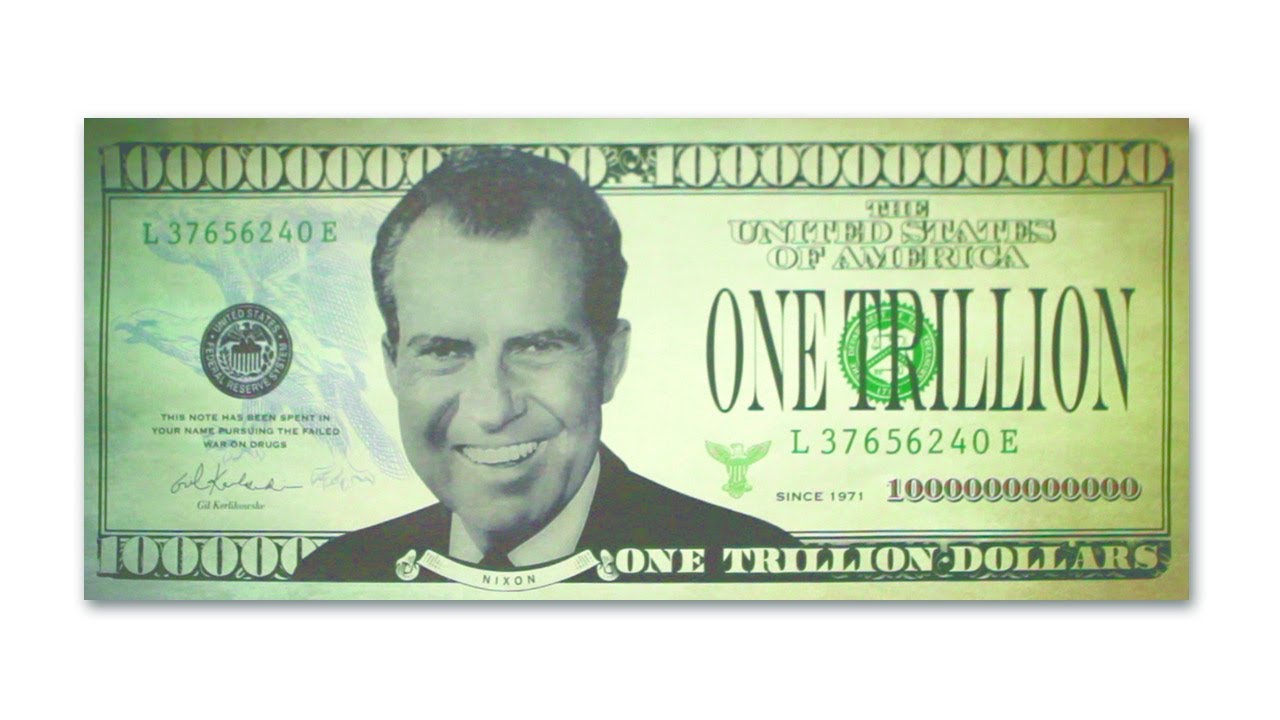
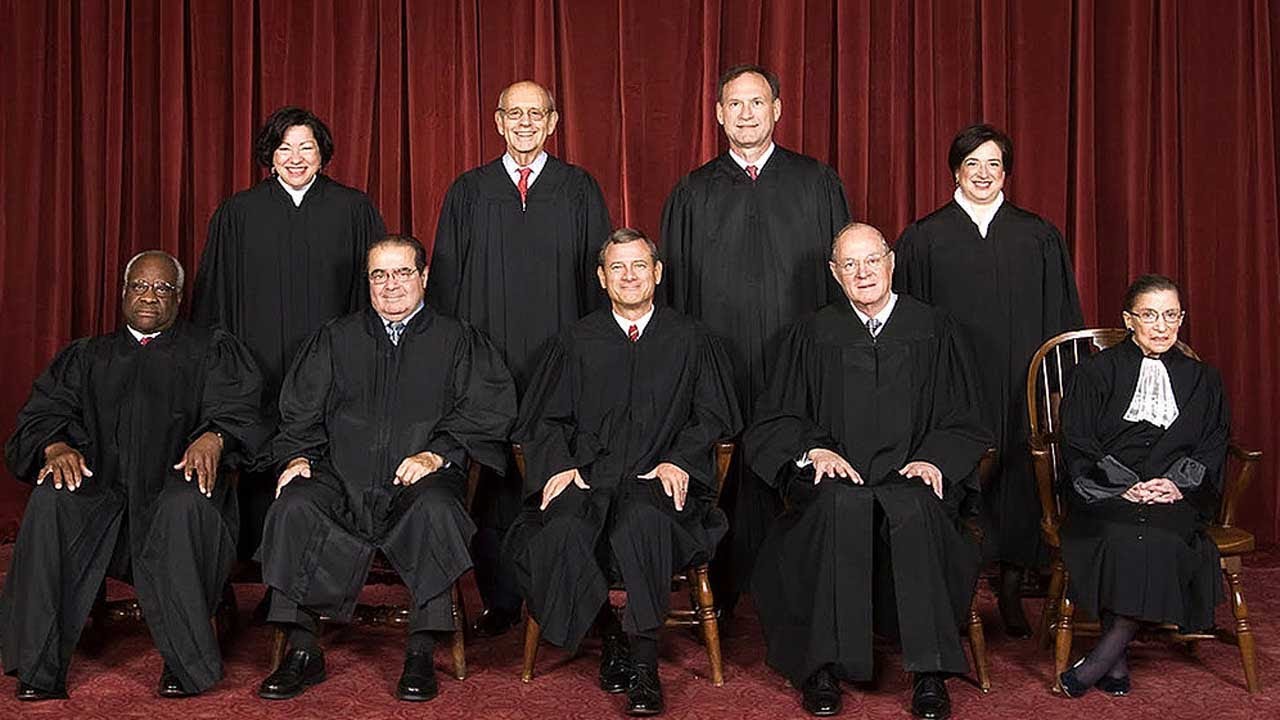
But the Internet, Corn-Revere says, has avoided a repeat of history. In 1996, the Communications Decency Act attempted to restrict obscene" material and the use of "seven dirty words" on computer networks. Had the Supreme Court not ruled that much of the law was unconstitutional, the Internet would look very different that it does today. It was the first time in American history, says Corn-Revere, that a new communications technology beat back regulations in the courts and won full First Amendment protections.
Corn-Revere recently joined Pete Tucker, a new media journalist, to discuss Internet censorship with Reason Foundation analyst Steven Titch at Reason's Washington, D.C. offices. Tucker operates TheFightBack.org, a website covering the news of Washington D.C. that's often overlooked by the mainstream media. Tucker, who was arrested for photographing a public meeting of D.C.'s taxi commission, shares his views as a new media journalist who is routinely provided fewer legal protections than his more-establishment peers.
About one hour and 20 minutes.
Produced by Todd Krainin. Camera by Josh Swain and Krainin.
Scroll down for downloadable versions and subscribe to ReasonTV's YouTube Channel to receive notification when new material goes live.
Go to for downloadable versions and subscribe to ReasonTV's YouTube Channel to receive notifications when new material goes live.
Links & Promotions
Guests & Subjects Covered
Sentinel Indexing in Progress
Metadata and chapters are available. Claim extraction for this episode is pending.
All video content is delivered via YouTube embedded players in accordance with the YouTube Terms of Service. Sentinel provides research tools that promote discovery and accountability across political media.