ReasonTV
@ReasonTV·1.4M subscribers·4.8K videos
Detroit's Tragedy and How to Fix It
Posted
July 20, 2013
Views
42,600
Likes
696
Comments
315
Engagement
2.37%
July 20, 2013
42,600
696
315
2.37%
Every word spoken in this episode is indexed. Type any phrase to jump straight to the moment it was said.
Type any word or phrase that may have been spoken. Click a result to seek the player to that exact moment.
Try a name, a topic, or a quoted line
See what was published immediately before and after this episode.
 1:53Now Playing
The key things about Detroit's bankruptcy are that it didn't happen overnight - and it didn't have to happen at all.
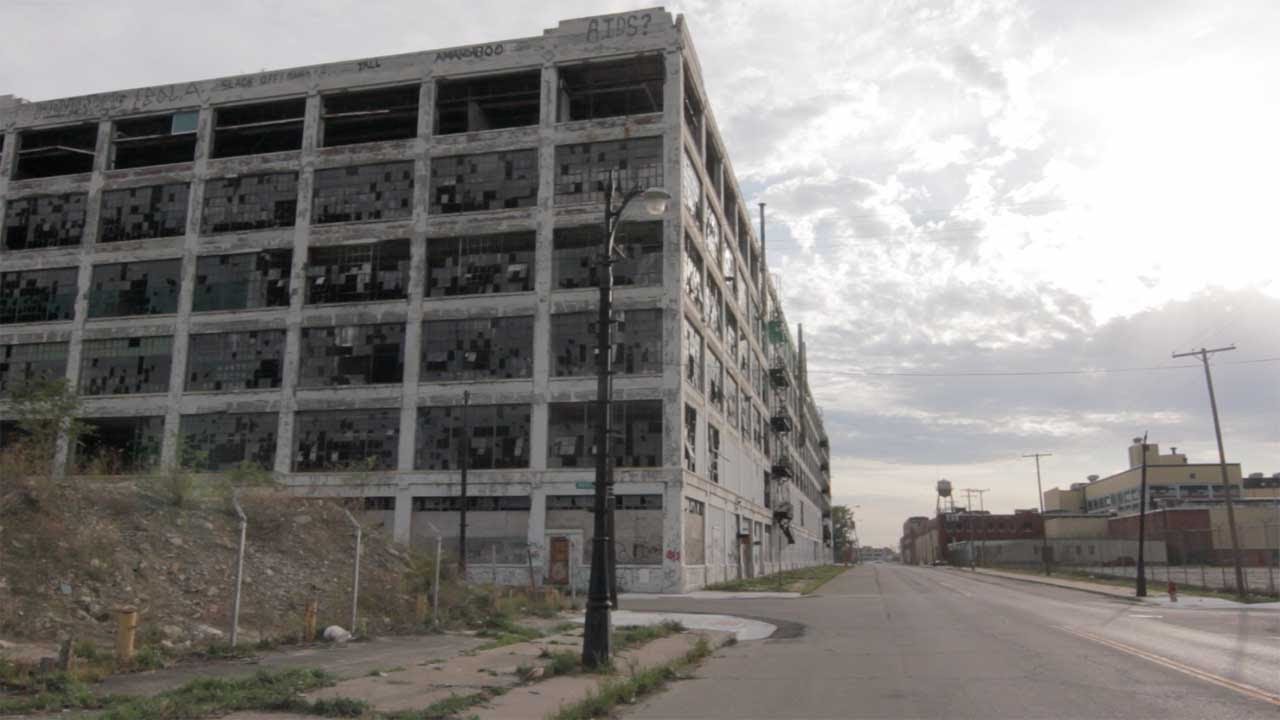
Detroit's long, sad slide started in 1950, when the Motor City's population peaked at nearly 2 million people. Now it's around 700,000.
The hollowing out of the city was on gut-wrenching display in two recent exhibits at the National Building Museum, featuring photographs by Camilo Jose Vergara and Andrew Moore.
In fat times and lean, the city's pols and power-brokers chose to focus their energy, and the residents' tax dollars on gigantic, big-ticket development scams while ignoring the basics that let cities thrive -- or at least survive.
Detroit's leaders poured money into a never-ending assembly line of sad-sack projects such as the Renaissance Center, the Fox Theater, Comerica Park, Poletown, the People Mover, and Ford Field.
But unlike Pompei and other cities crushed by Nature's wrath or God's wrath, Detroit's destruction is completely man-made and thus can be reversed. The city that midwifed the Model T and the Cadillac, Bob Seger and Eminem, Ted Nugent and the Insane Clown Posse, still has tremendous assets in terms of infrastructure, location, and people.
Like Buffalo, Cleveland, St. Louis, and other dead cities scattered across the map of the industrial Midwest like so many cigarette burns, Detroit can stage its own comeback by reducing crime and picking up garbage; by freeing kids, parents, and property values from an abysmal school system; and getting the government out of everything that isn't essential.
In other words, Detroit's leaders only need to do what they should have been doing for the past 50 years. And the city's dwindling supply of residents needs to keep them honest this time.
Because Detroit is finally out of next times.
Produced by Jim Epstein. Written and narrated by Nick Gillespie. Additional camera by Meredith Bragg.
About 2 minutes.
Go to for downloadable versions, links to all sources and other information, and more Reason TV videos.
Subscribe to Reason TV's YouTube Channel to receive automatic updates when new material goes live.
Sentinel Indexing in Progress
Metadata and chapters are available. Claim extraction for this episode is pending.
All video content is delivered via YouTube embedded players in accordance with the YouTube Terms of Service. Sentinel provides research tools that promote discovery and accountability across political media.