ReasonTV
@ReasonTV·1.4M subscribers·4.8K videos
FDA vs. Modern Medicine: Q&A w/ Peter Huber
Posted
November 20, 2013
Views
9,643
Likes
167
Comments
22
Engagement
1.96%
November 20, 2013
9,643
167
22
1.96%
Every word spoken in this episode is indexed. Type any phrase to jump straight to the moment it was said.
Type any word or phrase that may have been spoken. Click a result to seek the player to that exact moment.
Try a name, a topic, or a quoted line
 9:49Now Playing
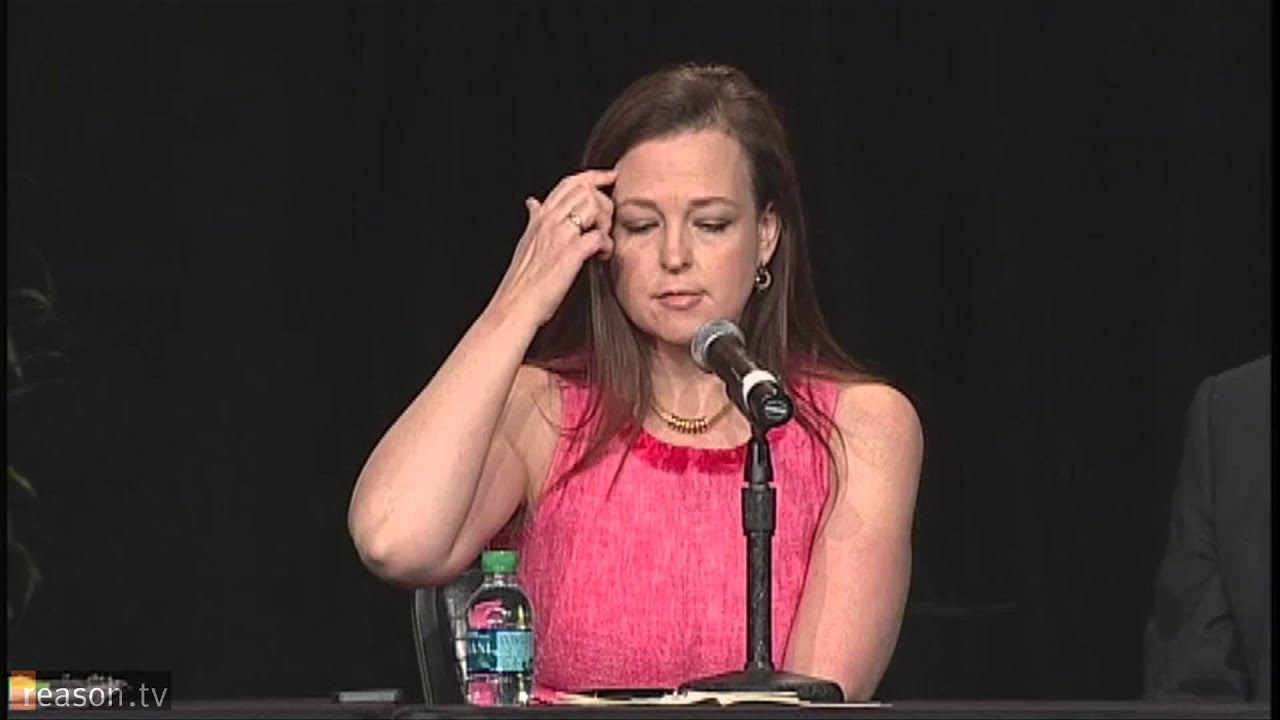
"The search for one-dimensional, very simple correlations - one drug, one clinical effect in all patients - is horrendously obsolete," says Peter Huber, a senior fellow at the Manhattan Institute and the author, most recently, of The Cure in the Code: How 20th Century Law is Undermining 21st Century Medicine.
Pharmaceuticals, Huber says, offer amazing and important ways of improving our health and quality of life and today's scientists and doctors have the ability to tailor drugs to patients' unique genetic codes. It's nothing less than an outrage, argues Huber, that innovation is being blocked by the Federal Drug Administration, which clings to an outdated one-size-fits-all drug approval model.
Huber sat down with Reason TV's Nick Gillespie to discuss the future of "molecular medicine," the FDA drug-approval process, and how AIDS activism in the 1980s and '90s provides a model for disrupting the government's refusal to allow experimentation and innovation.
About 10 minutes.
For Huber's book, go here
For more of Reason's coverage on the FDA, go here
Camera by Jim Epstein and Anthony Fisher. Edited by Joshua Swain.
Scroll down for downloadable versions and subscribe to Reason TV's YouTube Channel to receive automatic updates when new material goes live.
Sentinel Indexing in Progress
Metadata and chapters are available. Claim extraction for this episode is pending.
All video content is delivered via YouTube embedded players in accordance with the YouTube Terms of Service. Sentinel provides research tools that promote discovery and accountability across political media.