ReasonTV
@ReasonTV·1.4M subscribers·4.8K videos
In Defense of Online Anonymity
Posted
April 7, 2022
Views
20,944
Likes
768
Comments
69
Engagement
4.00%
April 7, 2022
20,944
768
69
4.00%
Every word spoken in this episode is indexed. Type any phrase to jump straight to the moment it was said.
Type any word or phrase that may have been spoken. Click a result to seek the player to that exact moment.
Try a name, a topic, or a quoted line
 1:34:47Now Playing
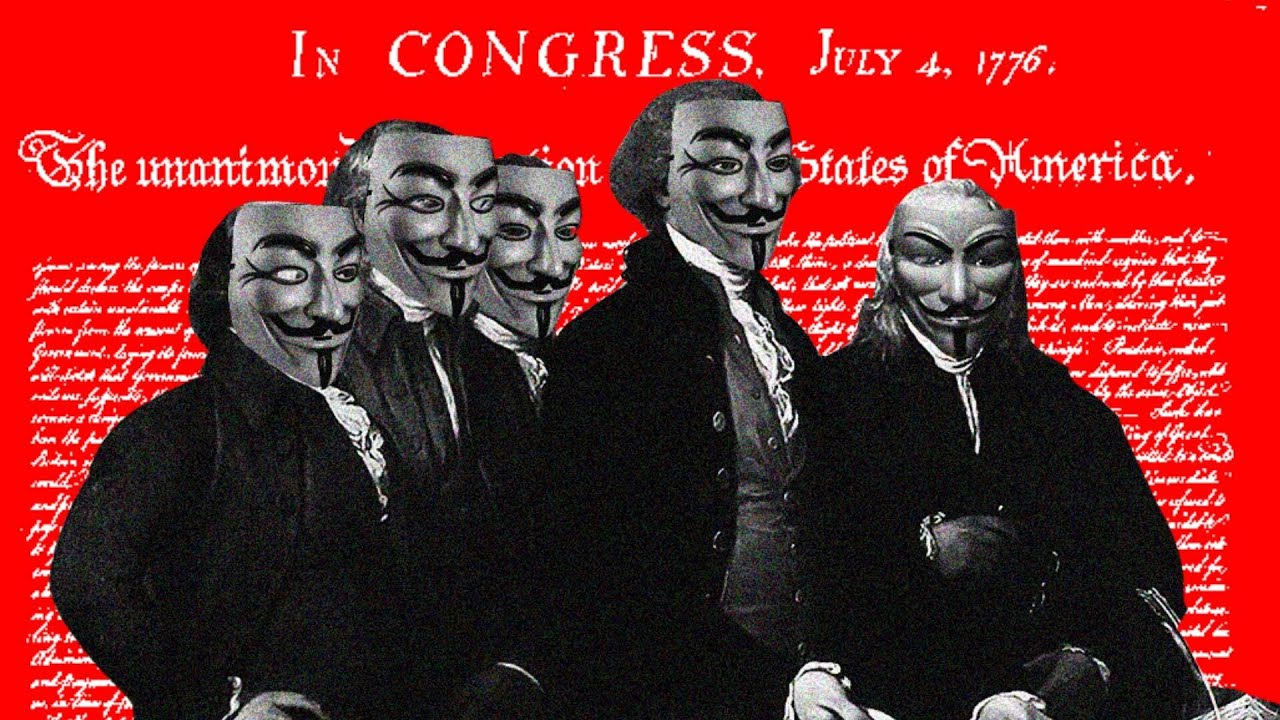
Jeff Kosseff's The United States of Anonymous makes a strong case for letting people hide behind the First Amendment.
------------------
Subscribe to our YouTube channel
Like us on Facebook
Follow us on Twitter
Reason is the planet's leading source of news, politics, and culture from a libertarian perspective. Go to reason.com for a point of view you won't get from legacy media and old left-right opinion magazines.
------------------
In 2019, Jeff Kosseff published The Twenty-Six Words that Created the Internet, the definitive "biography" of the controversial law known as Section 230. Part of the 1996 Communications Decency Act, Section 230 grants broad immunity to websites and internet service providers from legal actions based on user-generated content. Section 230 enabled the participatory nature of the web, from YouTube videos to Yelp reviews to basically all of Twitter. It's the reason why Reason can't be sued for libelous or defamatory content posted in our comments section (though the authors of such comments can be).
Now Kosseff, who teaches cybersecurity law at the United States Naval Academy, is back with The United States of Anonymous: How the First Amendment Shaped Online Speech. His new book looks at the history of and controversy surrounding anonymous speech and activism.
Before becoming a law professor, Kosseff worked as a journalist at The Oregonian, where he was a finalist for a Pulitzer Prize and a winner of the George Polk Award. Nick Gillespie talks with him about why he thinks anonymous speech is generally a good thing but getting harder to maintain, why Democrats and Republicans alike keep freaking out over Section 230, and how his past as a journalist informs his interest in protecting freedom of speech and assembly.
Interview by Nick Gillespie; edited by Adam Czarnecki.
Photo Credits: Rafael Henrique/ZUMAPRESS/Newscom; Rafael Henrique/ZUMAPRESS/Newscom; Andre M. Chang/ZUMAPRESS/Newscom; Dreamstime/TNS/Newscom
Sentinel Indexing in Progress
Metadata and chapters are available. Claim extraction for this episode is pending.
All video content is delivered via YouTube embedded players in accordance with the YouTube Terms of Service. Sentinel provides research tools that promote discovery and accountability across political media.