ReasonTV
@ReasonTV·1.4M subscribers·4.8K videos
Why did the government ban these cars?
Posted
June 27, 2023
Views
14,321
Likes
592
Comments
143
Engagement
5.13%
June 27, 2023
14,321
592
143
5.13%
Every word spoken in this episode is indexed. Type any phrase to jump straight to the moment it was said.
Type any word or phrase that may have been spoken. Click a result to seek the player to that exact moment.
Try a name, a topic, or a quoted line
 9:44Now Playing
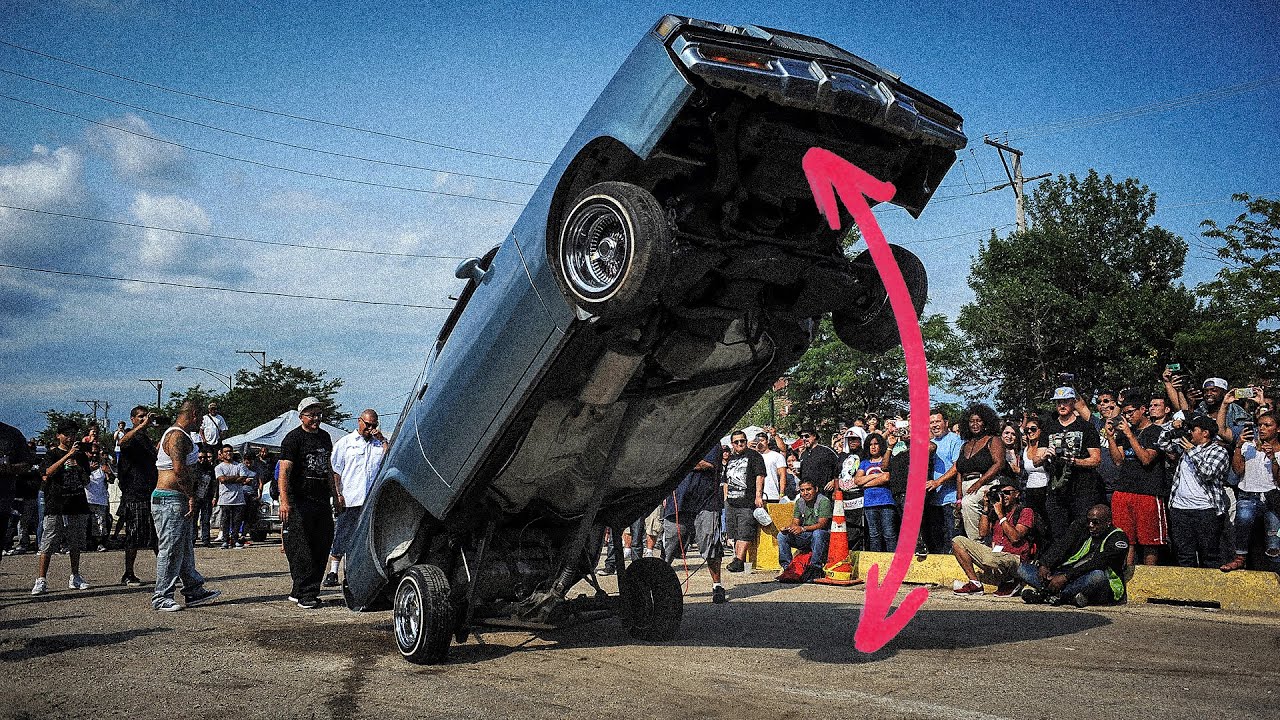
Golden State municipalities are finally overturning their anti-cruising ordinances.
_______
Lowriding has been a part of Southern California and Chicano culture since the post–World War II era when hobbyists started using spare hydraulics from surplus aircraft parts to customize cars to ride "low and slow."
"Owning a car is the American dream," says Denise Sandoval, a professor of Chicano studies at California State University, Northridge. "Lowriding is a great example, just like hip-hop, of people using culture to tell their stories, to mark space in the United States, to say, 'This is what makes us unique.'"
By the '90s, lowriding became associated with crime and gang activity. There were also complaints that it was clogging major arteries and contributing to traffic congestion.
"You begin to see in the '90s, particularly here in L.A., anti-cruising ordinances," says Sandoval. "Black or brown men would be hanging out in the street…and the police could use them to crack down."
Vincent Palacios, who owns a car repair and alteration shop in Lemon Grove, has been lowriding since he was a teenager. He recalls when cruising was first shut down on Highland Avenue. "The police started harassing us…. They would actually measure [the height of the car] with a cigarette pack [to determine] if you were illegal."
In the past few years, Palacios has teamed up with other lowriding enthusiasts, including Jovita Arellano, the president of the United Lowrider Coalition, and her husband, Marcos "Rabbit" Arellano, to build political support for making cruising legal again. And they were successful: Last year, National City joined several other municipalities in overturning their bans, and the California Legislature encouraged cities to reconsider their policies and start working with the lowrider community.
To address the traffic issue, Sandoval says hobbyists have started collaborating with law enforcement to identify spaces for cruising that aren't a "public nuisance." State law still permits localities to institute bans, but there's a movement to change that as well.
"For me, lowriding is just enjoying going out on a nice day and hanging out with my friends and hearing great music," says Palacios. "It's a way of life."
News/Archival Credits: NBC; CBS; ABC; KNTV Channel 11 News; Herman Baca Papers; Low Rider Magazine June 1982: Chicano Park Fifth Annual
Music: artlist.io
Photos: Vincent Palacios; Dave Parker; vhines200/Flickr; Johnny Lozoya/Low Rider Magazine
Special thanks to Arturo Meza II
Producer: Aaron Adler / Dec8 Productions
Camera: Qinling Li & Arthur Nazaryan
Director: Qinling Li & Arthur Nazaryan / Dec8 Productions
Editor: Qinling Li
Sentinel Indexing in Progress
Metadata and chapters are available. Claim extraction for this episode is pending.
All video content is delivered via YouTube embedded players in accordance with the YouTube Terms of Service. Sentinel provides research tools that promote discovery and accountability across political media.