Rebel Hq
@RebelHQ·1.5M subscribers·18.5K videos
Muslim American Veteran On Anti-Muslim Hysteria in the Age of Trump
Posted
July 6, 2016
Views
5,171
Likes
224
Comments
59
Engagement
5.47%
July 6, 2016
5,171
224
59
5.47%
Every word spoken in this episode is indexed. Type any phrase to jump straight to the moment it was said.
Type any word or phrase that may have been spoken. Click a result to seek the player to that exact moment.
Try a name, a topic, or a quoted line
 7:06Now Playing
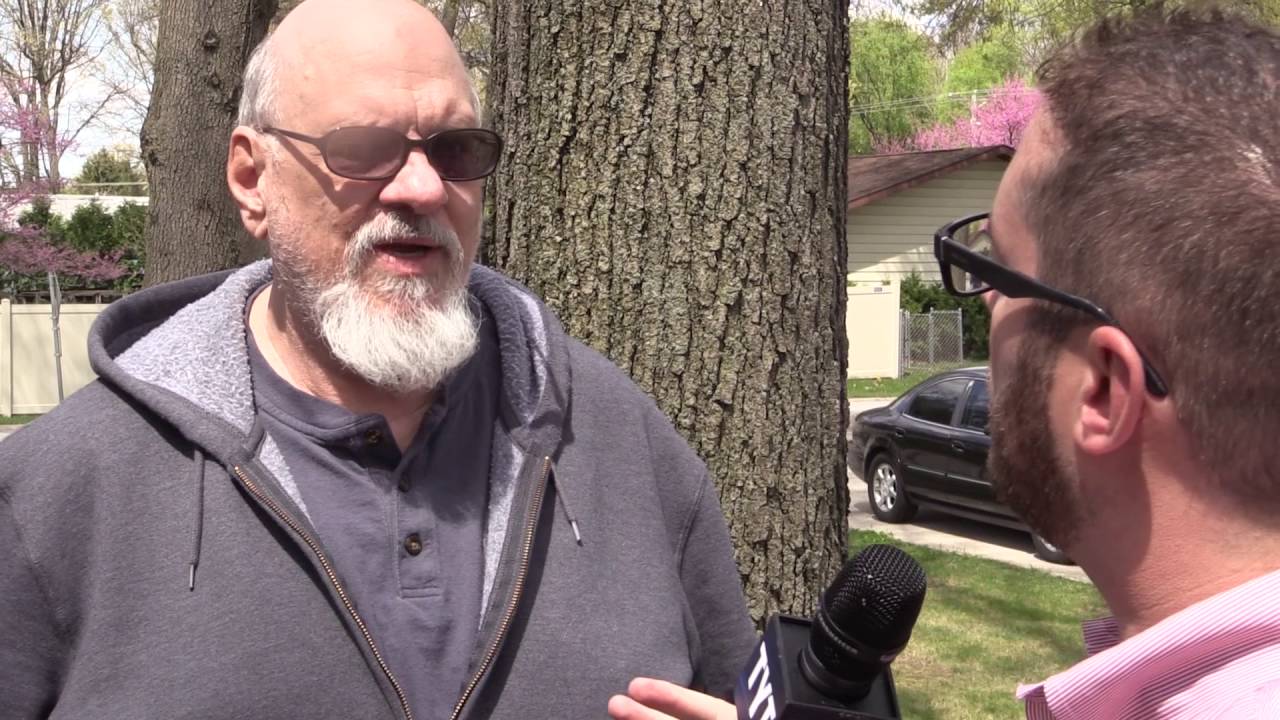
Part 2 of Eric Byler's interview with Atif M. Qarni of Manassas, VA — a teacher and US Marine who served in Iraq and ran twice for the Virginia General Assembly. Part 1 deals with anti-Muslim hysteria in the age of Donald Trump. Part 2 deals with a corollary of such hysteria that dogged Qarni during his 2015 bid for a seat in the Virginia Senate. Part 3 will deal with Qarni's, and his family's support for Sen. Bernie Sanders in the 2016 Democratic primary race for president.
[See Part 1 here]
Qarni wrote in his op-ed in the Washington Post: In the minds of many Americans, Islam and the United States are diametrically opposed. To support a Muslim running for public office would require that two “competing” ideologies somehow be reconciled; it would require people to see Muslim Americans as assets to our nation rather than as “threats to national security.” For many, this is a bridge too far.
The hysteria surrounding Muslims surfaced again last month when a 14-year-old Muslim boy was handcuffed and interrogated at his school in Texas for bringing in a homemade clock that school officials said they thought was a bomb.
So what happens when a Muslim American announces he is running for state Senate? I am a Virginia public school teacher who was born to Pakistani immigrants. I served honorably and proudly in the Marine Corps, including a tour in Iraq in 2003.
I was invited to meet with the legislature’s key Democratic leaders and told I needed to drop out of the race because a Muslim would never win. I was told Republicans would use my religion against me and make my life miserable. Several Democratic Party members also told me that my wife’s headscarf would be a problem with voters, as would my beard, which I maintain for vanity, not religious purposes. I was told Richmond is black and white, not brown.
I was shocked by the party establishment’s response to my announcement in 2015. Just two years before I had challenged the 21-year Republican incumbent, Del. Robert G. Marshall (Prince William), and come within 500 votes of beating him. No other Democratic candidate had come this close. Hadn’t I proved my loyalty to the party? Didn’t my hard work and impressive numbers from the 2013 campaign show that I was a serious contender, that I could raise money and get people to the polls? Wasn’t I fighting for basic progressive values, such as women’s health-care rights, responsible gun control and same-sex marriage?
I ignored the party’s warnings and proceeded with my campaign, knowing that fundraising and solidifying a voting base were key to winning the nomination. If the establishment wasn’t convinced that a Muslim running for state Senate was a good idea, I would prove it wrong. Ultimately, I knew that voters, not politicians from Richmond or Fairfax, would decide the outcome of my election.
Sentinel Indexing in Progress
Metadata and chapters are available. Claim extraction for this episode is pending.
All video content is delivered via YouTube embedded players in accordance with the YouTube Terms of Service. Sentinel provides research tools that promote discovery and accountability across political media.