Ryan McBeth
@RyanMcBethProgramming·1.1M subscribers·2K videos
China’s Carrier Killer Problem
Posted
August 24, 2026
Views
110,484
Likes
6,642
Comments
1,098
Engagement
7.01%
August 24, 2026
110,484
6,642
1,098
7.01%
Every word spoken in this episode is indexed. Type any phrase to jump straight to the moment it was said.
Type any word or phrase that may have been spoken. Click a result to seek the player to that exact moment.
Try a name, a topic, or a quoted line
 11:37Now Playing
Support the Channel for only $5
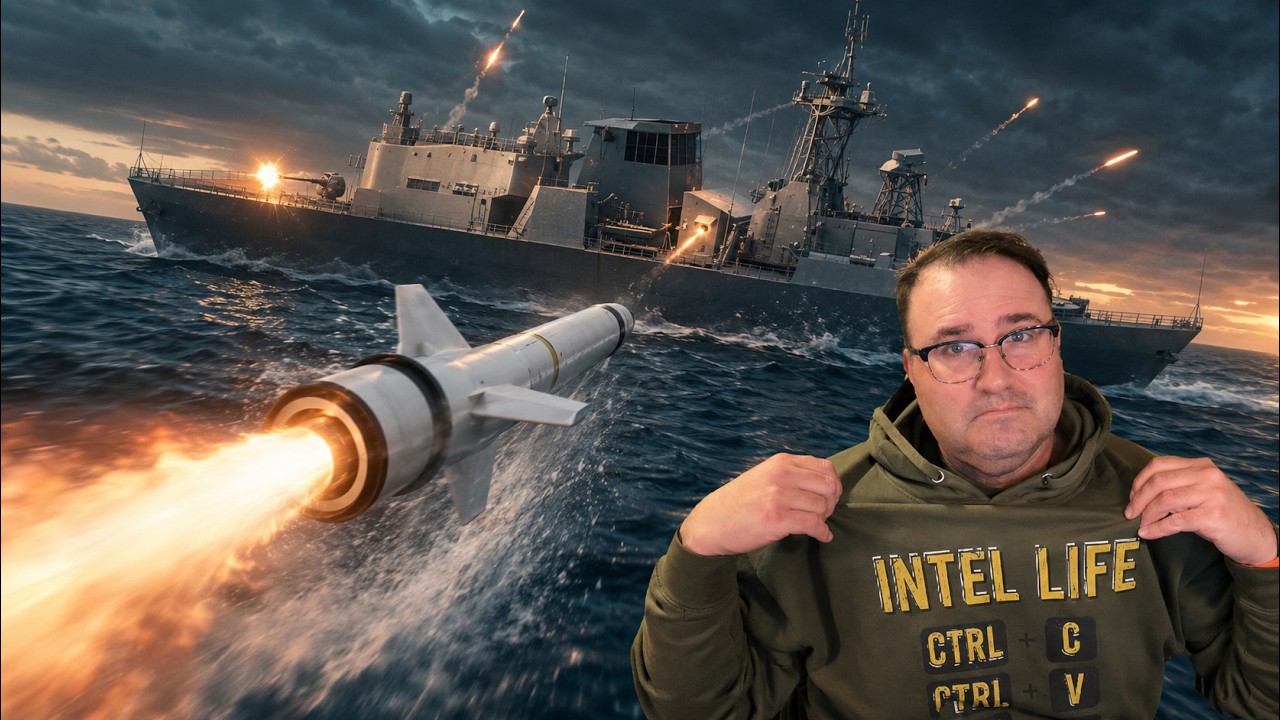
China has some of the most dangerous anti-ship missiles in the world—but hitting an aircraft carrier requires something much harder than building a missile.
You have to find the carrier first.
In this video, I break down the maritime kill chain: Find, Fix, Track, Target, Engage and Assess, and explain why the missile is often the easy part.
We’ll look at how China could use satellites, over-the-horizon radar, submarines, maritime patrol aircraft, drones, surface ships and even civilian fishing vessels to locate American naval forces. Then we’ll look at what happens when the U.S. Navy starts maneuvering, jamming sensors, limiting electronic emissions and actively attacking the systems China needs to maintain custody of the target.
We’ll also examine an important asymmetry in a Taiwan conflict: China may know roughly where American ships could be, but the United States has a pretty good idea where a Chinese invasion fleet eventually has to go.
Missiles parade well. Maritime patrol aircraft don’t.
For uncensored video, check out my substack at:
Find the Global Warning Podcast on:
Apple Podcasts
Like my shirts? Get your own at:
Want a personalized greeting:
Watch all of my long form videos:
Twitter:
@ryanmcbeth
Instagram:
@therealryanmcbeth
BlueSky
@ryanmcbeth
Reddit:
/r/ryanmcbeth
Join the conversation:
Want to send me something?
Ryan McBeth Productions LLC
8705 Colesville Rd.
Suite 249
Silver Spring, MD 20910
USA
Sentinel Indexing in Progress
Metadata and chapters are available. Claim extraction for this episode is pending.
All video content is delivered via YouTube embedded players in accordance with the YouTube Terms of Service. Sentinel provides research tools that promote discovery and accountability across political media.