
How Much Did Voter Suppression Help Trump Win?
October 29, 2017
5,082
193
26
4.31%
Search the Record
IndexedEvery word spoken in this episode is indexed. Type any phrase to jump straight to the moment it was said.
Type any word or phrase that may have been spoken. Click a result to seek the player to that exact moment.
Try a name, a topic, or a quoted line
Sam Seder Episodes Around October 29, 2017
See what was published immediately before and after this episode.
 7:53
7:53This Week PROVES That Donald Trump Owns Every Single Republican in Office


 16:31Now Playing
How Much Did Voter Suppression Help Trump Win?




YouTube Description
as posted by the channelIn this Majority Report clip, Sam Seder speaks with Ari Berman from Mother Jones. Ari explains how much voter suppression influenced the 2016 election.
We need your help to keep providing free videos! Support the Majority Report's video content by going to
Watch the Majority Report live MF at 12 p.m. EST at youtube.com/samseder or listen via daily podcast at
Download our FREE app
SUPPORT the show by becoming a member
LIKE us on Facebook
FOLLOW us on Twitter
SUBSCRIBE to us on YouTube
Read more here
You can’t say Andrea Anthony didn’t try. A 37-year-old African American woman with an infectious smile, Anthony had voted in every major election since she was 18. On November 8, 2016, she went to the Clinton Rose Senior Center, her polling site on the predominantly black north side of Milwaukee, to cast a ballot for Hillary Clinton. “Voting is important to me because I know I have a little, teeny, tiny voice, but that is a way for it to be heard,” she said. “Even though it’s one vote, I feel it needs to count.”
Listen to this story:
"Tell us what you think by emailing talk@motherjones.com. And for more articles read aloud: download the Audm iPhone app.
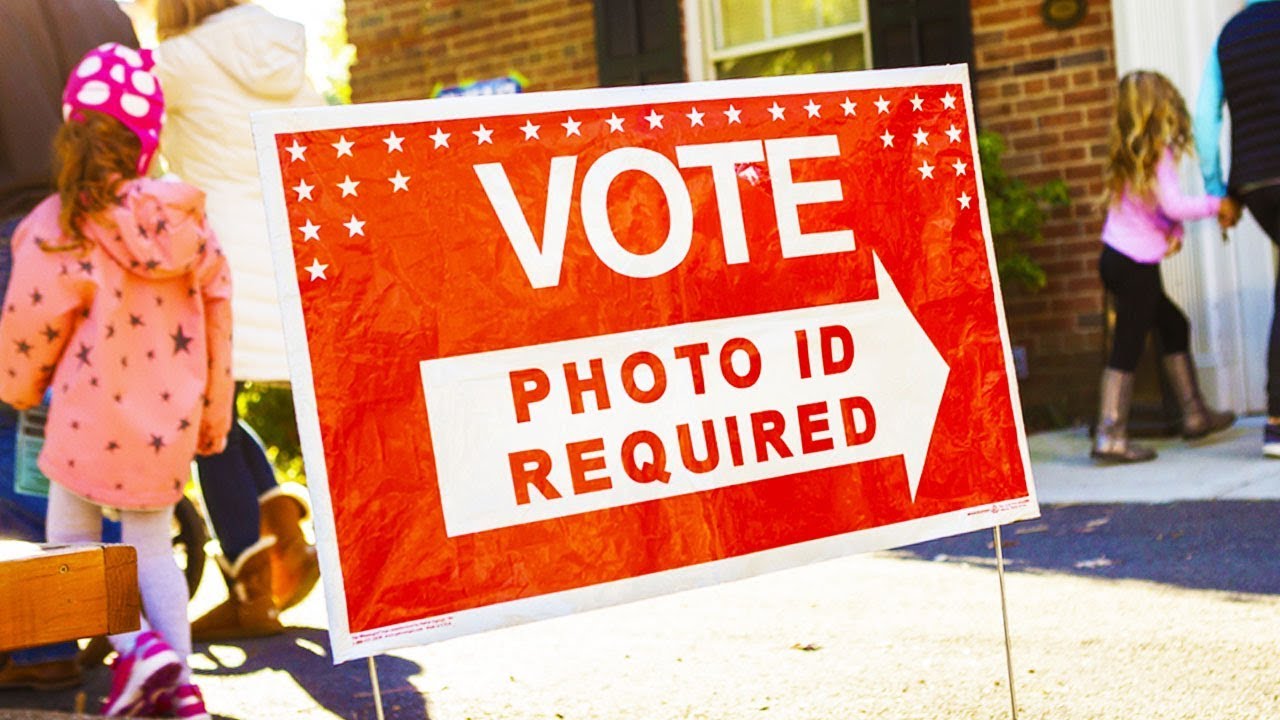
She’d lost her driver’s license a few days earlier, but she came prepared with an expired Wisconsin state ID and proof of residency. A poll worker confirmed she was registered to vote at her current address. But this was Wisconsin’s first major election that required voters—even those who were already registered—to present a current driver’s license, passport, or state or military ID to cast a ballot. Anthony couldn’t, and so she wasn’t able to vote.
The poll worker gave her a provisional ballot instead. It would be counted only if she went to the Department of Motor Vehicles to get a new ID and then to the city clerk’s office to confirm her vote, all within 72 hours of Election Day. But Anthony couldn’t take time off from her job as an administrative assistant at a housing management company, and she had five kids and two grandkids to look after. For the first time in her life, her vote wasn’t counted.
I met Anthony on a rainy Wednesday evening in mid-August. She had recently moved to Madison for a job making sales calls for the health insurance company Humana and was living in an Econo Lodge off the freeway with two of her kids and her mother-in-law as she looked for permanent housing. “This particular election was very important to me,” she told me in the motel’s small lobby, citing her strong aversion to Donald Trump. “I felt like the right to vote was being stripped away from me.”
Guests & Subjects Covered
Sentinel Indexing in Progress
Metadata and chapters are available. Claim extraction for this episode is pending.
All video content is delivered via YouTube embedded players in accordance with the YouTube Terms of Service. Sentinel provides research tools that promote discovery and accountability across political media.