
Janus v. AFSCME EXPLAINED
March 2, 2018
3,730
62
11
1.96%
Search the Record
IndexedEvery word spoken in this episode is indexed. Type any phrase to jump straight to the moment it was said.
Type any word or phrase that may have been spoken. Click a result to seek the player to that exact moment.
Try a name, a topic, or a quoted line
Sam Seder Episodes Around March 2, 2018
See what was published immediately before and after this episode.




 13:00Now Playing
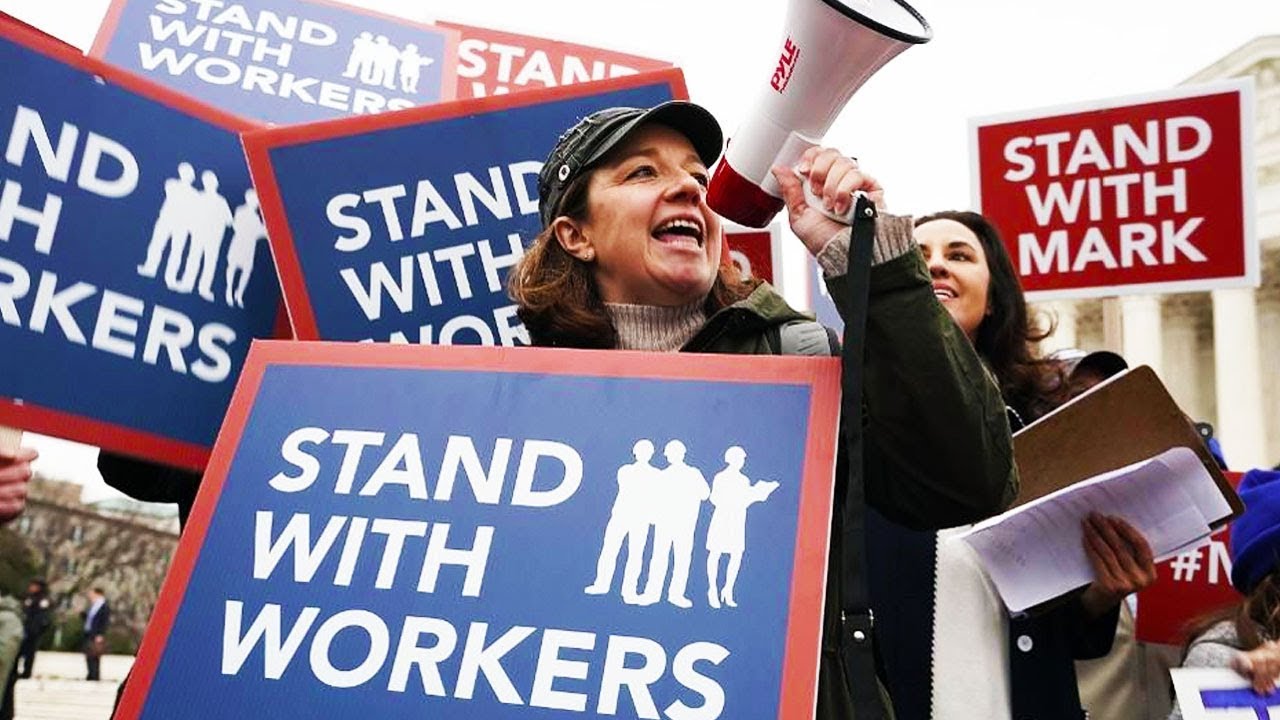
Janus v. AFSCME EXPLAINED



YouTube Description
as posted by the channelIn this Majority Report clip, Sam Seder and Professor Ann Hodges discuss the consequences of Janus v. AFSCME.
We need your help to keep providing free videos! Support the Majority Report's video content by going to
Watch the Majority Report live MF at 12 p.m. EST at youtube.com/samseder or listen via daily podcast at
Download our FREE app
SUPPORT the show by becoming a member
LIKE us on Facebook
FOLLOW us on Twitter
SUBSCRIBE to us on YouTube
Read more here
"Yesterday, in Janus v. AFSCME, the Supreme Court was urged to overturn the 1977 case Abood v. Detroit Board of Education and end compulsory union dues for public employees. The very same issue was argued before the Supreme Court just two years ago in Friedrichs v. CTA, but when Justice Scalia died shortly after oral arguments, that case was left unresolved. Hopefully, with Janus, the Court will decide the issue once and for all, and restore the First Amendment rights of public employees.
It’s often difficult to predict how a case will be decided based on oral arguments - and Janus is no different - but the arguments were nonetheless interesting both for what was said and what was left unsaid. First, and perhaps most interestingly, was the behavior of Justice Gorsuch. Because the same issue was before the Court recently in Friedrichs, we know that the other eight Justices are evenly divided on the question. Justices Roberts, Alito, Kennedy, and Thomas, favor ending compelled union dues. Justices Kagan, Breyer, Sotomayor, and Ginsburg, favor the status quo. But despite many years on the federal bench, Justice Gorsuch has never had the opportunity to consider the issue. Because his vote will break the four-four split that left Friedrichs unresolved, court-watchers were anxious to hear what he would say.
The new Justice, however, remained completely silent during arguments in Janus. Gorsuch, who asked 22 questions on his first day at the Supreme Court, has gained a reputation as an active and engaged participant in oral arguments. But in the Janus arguments he gave no indication what he thought of the arguments presented."
Guests & Subjects Covered
Sentinel Indexing in Progress
Metadata and chapters are available. Claim extraction for this episode is pending.
All video content is delivered via YouTube embedded players in accordance with the YouTube Terms of Service. Sentinel provides research tools that promote discovery and accountability across political media.