
Sam Seder
@TheMajorityReport·2M subscribers·30.1K videos
What Came First: Racism Or Slavery?
Posted
June 15, 2018
Views
6,626
Likes
223
Comments
156
Engagement
5.72%
June 15, 2018
6,626
223
156
5.72%
Every word spoken in this episode is indexed. Type any phrase to jump straight to the moment it was said.
Type any word or phrase that may have been spoken. Click a result to seek the player to that exact moment.
Try a name, a topic, or a quoted line
 13:31Now Playing
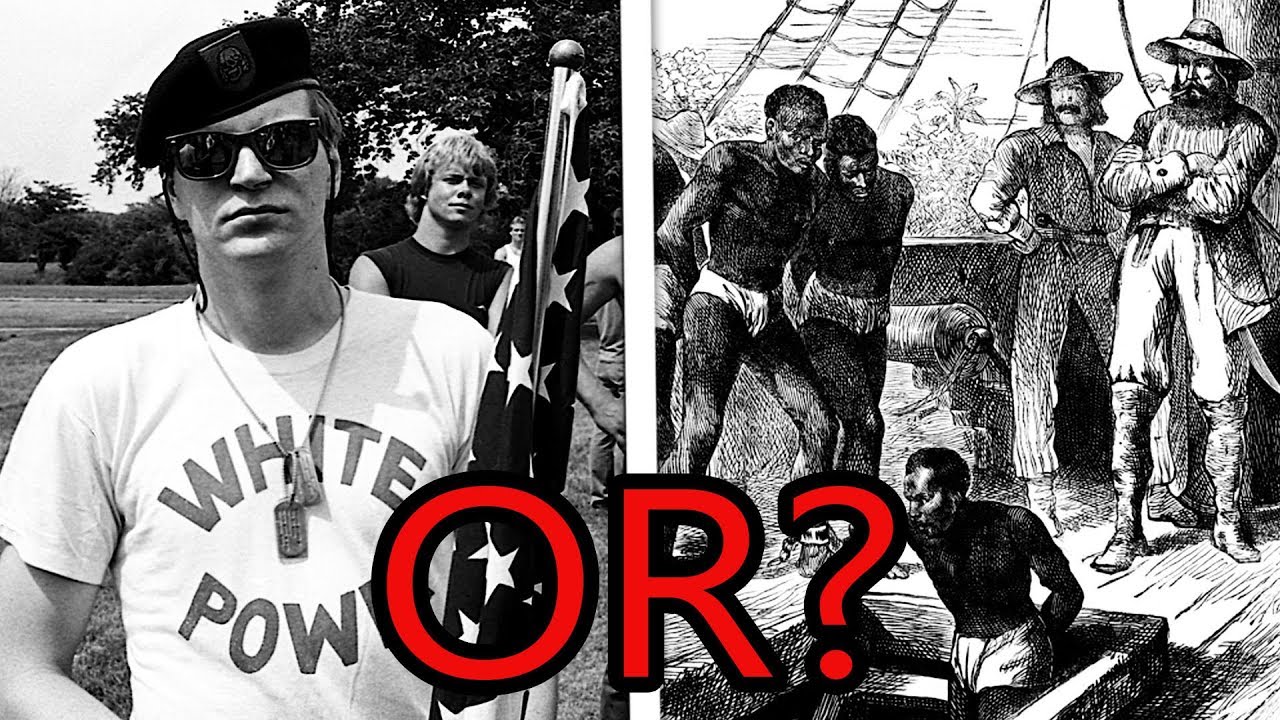
In this Majority Report clip, Sam Seder talks with author Gerald Horne about the roots of white supremecy.
We need your help to keep providing free videos! Support the Majority Report's video content by going to
Watch the Majority Report live MF at 12 p.m. EST at youtube.com/samseder or listen via daily podcast at
Download our FREE app
SUPPORT the show by becoming a member
LIKE us on Facebook
FOLLOW us on Twitter
SUBSCRIBE to us on YouTube
Read more here
"The years between 1603 and 1714 were perhaps the most decisive in English history. At the onset of the seventeenth century, the sceptered isle was a second-class power, but the Great Britain that emerged by the beginning of the eighteenth century was, in many ways, the planet’s reigning superpower.1 It then passed the baton to its revolting spawn, the United States, which has carried global dominance into the present century.2
There are many reasons for this stunning turnabout. Yet any explanation that elides slavery, colonialism, and the shards of an emerging capitalism, along with their handmaiden—white supremacy—is deficient in explanatory power. From the sixteenth through the nineteenth centuries nearly 13 million Africans were brutally snatched from their homelands, enslaved, and forced to toil for the greater good of European and Euro-American powers, London not least. Roughly two to four million Native Americans also were enslaved and traded by European settlers in the Americas, English and Scots not least.
From the advent of Columbus to the end of the nineteenth century, it is possible that five million indigenous Americans were enslaved. This form of slavery coexisted roughly with enslavement of Africans, leading to a catastrophic decline in the population of indigenes. In the Caribbean basin, the Gulf Coast, northern Mexico, and what is now the U.S. Southwest, the decline in population during the sixteenth and seventeenth centuries was nothing short of catastrophic. Population may have fallen by up to 90 percent through devilish means including warfare, famine, and slavery, all with resultant epidemics. The majority of the enslaved were women and children, an obvious precursor, and trailblazer, for the sex trafficking of today. But for the massive revolt of the indigenous in 1680 in what is now New Mexico, the toll might have been much worse."
Sentinel Indexing in Progress
Metadata and chapters are available. Claim extraction for this episode is pending.
All video content is delivered via YouTube embedded players in accordance with the YouTube Terms of Service. Sentinel provides research tools that promote discovery and accountability across political media.