Sam Seder
@TheMajorityReport·2M subscribers·30.1K videos
Forget Everything You've Heard About Drugs
Posted
May 9, 2021
Views
7,921
Likes
492
Comments
238
Engagement
9.22%
May 9, 2021
7,921
492
238
9.22%
Every word spoken in this episode is indexed. Type any phrase to jump straight to the moment it was said.
Type any word or phrase that may have been spoken. Click a result to seek the player to that exact moment.
Try a name, a topic, or a quoted line
Episode Timeline
Every episode in order around the one you’re watching — click any card and the page flips straight to it.
 40:00Now Playing
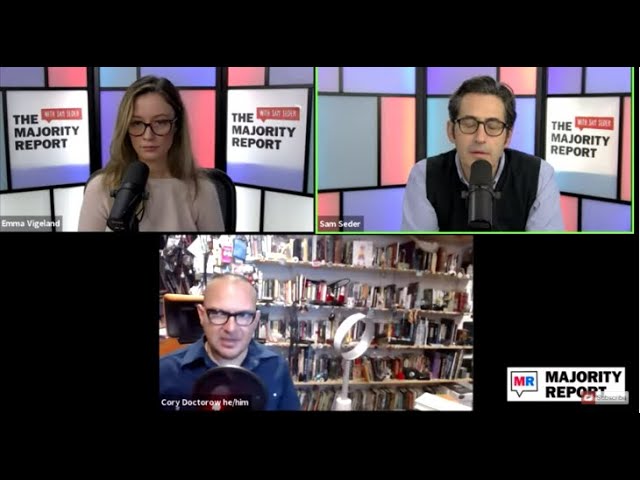
Dr. Carl Hart joins the show to talk about his book "Drug Use for Grown-Ups: Chasing Liberty in the Land of Fear". Sam Seder and the Majority Report crew discuss this.
We stream our live show every day at 12 PM ET.
We need your help to keep providing free videos! Support the Majority Report's video content by going to
Watch the Majority Report live MF at 12 p.m. EST at youtube.com/samseder or listen via daily podcast at
Download our FREE app
SUPPORT the show by becoming a member
We Have Merch!!!
LIKE us on Facebook
FOLLOW us on Twitter
SUBSCRIBE to us on YouTube
Read more here
"In a referendum in November, Oregon became the first state to decriminalize the possession of small amounts of heroin, cocaine, methamphetamine and LSD. The move was inspired by a 2001 law in Portugal that removed incarceration as a penalty for drug possession. To judge by “Drug Use for Grown-Ups,” Carl Hart welcomed this news, which came too late for him to mention in his provocative and enlightening book. He opens with the announcement: “I am an unapologetic drug user.”
Mr. Hart, a professor of psychology and a neuroscientist at Columbia University, asserts that “recreational drugs can be used safely to enhance many vital human activities.” He bases his claim on decades of research on the behavioral and physiological effects of drugs in humans, coupled with his personal use. Thanks to drugs, he says, “I am a happier and better person.” He asks that we think about drugs in a more nuanced way, even at a time when opioid abuse is still headline news. Thus his book represents a calculated risk—namely, that by portraying drug use as so potentially rewarding for responsible users, it may inadvertently seduce non-grown-ups into hazardous use.
Mr. Hart reports that his views about drugs have evolved over the years. Growing up near Miami as a teen in the early 1980s, a city then overrun with crack cocaine, he saw drugs as a raging menace. In graduate school he began studying neuroscience. “If I could stop people from taking drugs, especially by fixing their broken brains,” he told himself, “I could fix the poverty and crime in my community.” In pursuit of this mission, he tried to prove the dangers of drug use. But over time he concluded that the marijuana, cocaine and methamphetamine that he gave (with the approval of various ethics committees) to his subjects, themselves experienced drug users, was not as harmful as he had expected. No matter the drug, his subjects overwhelmingly said that they felt “more altruistic, empathetic, euphoric, focused, grateful, and tranquil.”"
Image Credit, Aloísio Costa Latgé ACL
Image has been cropped and color has been altered.
Sentinel Indexing in Progress
Metadata and chapters are available. Claim extraction for this episode is pending.
All video content is delivered via YouTube embedded players in accordance with the YouTube Terms of Service. Sentinel provides research tools that promote discovery and accountability across political media.