Sam Seder
@TheMajorityReport·2M subscribers·30.1K videos
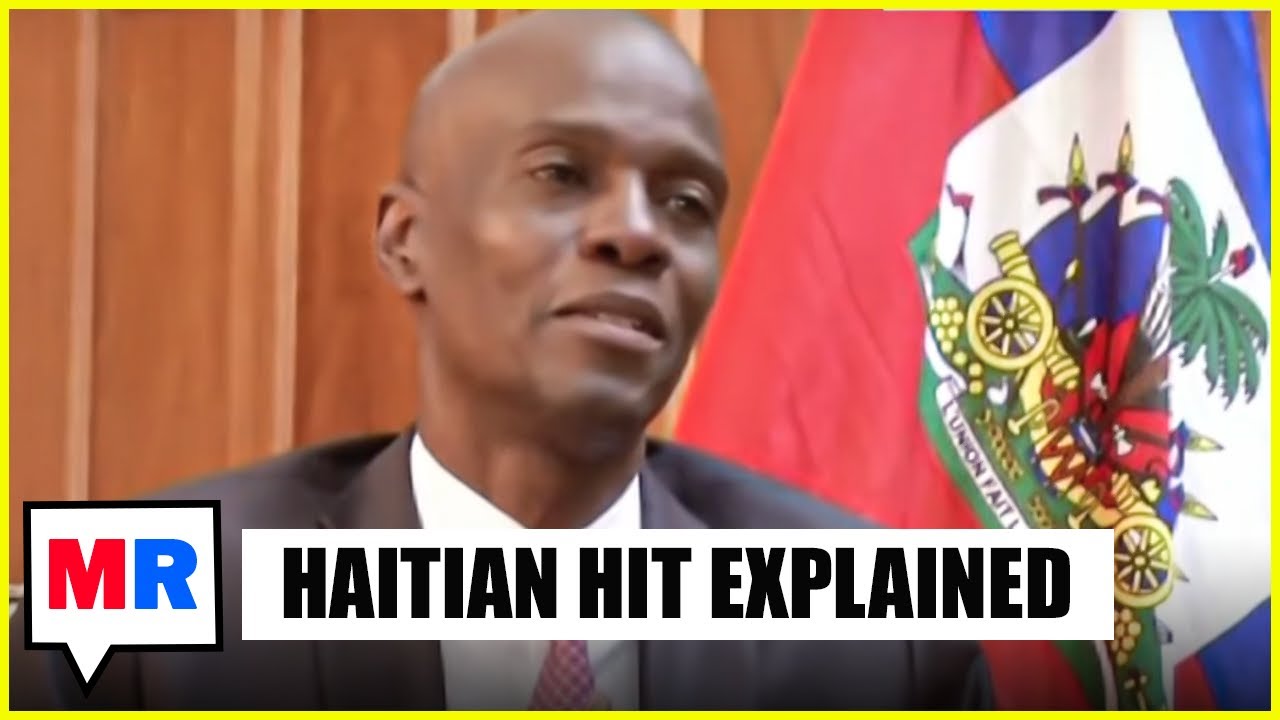
President Of Haiti's Assassination Explained
Posted
July 7, 2021
Views
79,035
Likes
3,045
Comments
557
Engagement
4.56%
July 7, 2021
79,035
3,045
557
4.56%
Every word spoken in this episode is indexed. Type any phrase to jump straight to the moment it was said.
Type any word or phrase that may have been spoken. Click a result to seek the player to that exact moment.
Try a name, a topic, or a quoted line
 15:39Now Playing
Brian Concannon, of Project Blueprint, helps us contextualize the assassination of Haitian President-turned-Dictator Jovenel Moïse within both Haitian domestic politics and as a result of centuries-long destructive intervention and by the U.S. Sam Seder and the Majority Report Crew discuss this. #Haiti #HaitiPresident
We stream our live show every day at 12 PM ET.
We need your help to keep providing free videos! Support the Majority Report's video content by going to
Watch the Majority Report live MF at 12 p.m. EST at youtube.com/samseder or listen via daily podcast at
Download our FREE app
SUPPORT the show by becoming a member
We Have Merch!!!
LIKE us on Facebook
FOLLOW us on Twitter
SUBSCRIBE to us on YouTube
Brian Concannon: Back in March, President Ruiz was not only hesitating to leave, he was systematically dismantling Haiti's democracy. And unfortunately he was doing it with the support of the international community including the United States. That continued through, May... April, May, and June. Things in Haiti had gotten much worse; July was already a month marked by political violence in a year marked by political violence, and this is just the latest of those. It unfortunately puts Haiti in a really tough place.
I spoke with a human rights activist this morning and asked how she was doing, and she said this is worse than we ever could have imagined. And this is a country that, that's really suffered an immense amount and people have pretty good imaginations about you know, about worst case scenarios.
Haiti's now left with a with a pretty strong power vacuum. The constitution has a road map for how you replace a president, but most of the roads on that map have been closed. You're supposed to have the National Assembly elect a president within 60 days. The National Assembly is like a joint, like a joint congress in the United States we get the Senate and the House of Representatives together, but almost all the seats in Haiti's legislature except for 10 senators are vacant. The Supreme Court can have a role here, but the Supreme Court Chief Justice passed away from Covid last week. Half of the seats on the court are vacant. And so really throughout the government the type of structures that you would rely on to give you resiliency in these times have been dismantled.
Emma Vigeland: So can you talk about how, I mean, just a little bit more background how the countries you know, previous president, Martelly, he tapped Moise, and you know, that was around 2016, 2017, and he had the backing of the Clintons, very aggressively, it seemed. And that's carried over to Moise and the Trump administration and seemingly, at least publicly, with the Biden administration. So we're still learning information, but it sounds like there was at least one American voice in terms of the mercenaries that attacked him according to early reports. What role potentially could the U.S. have played in this because he despite dismantling all these democratic institutions was clearly you know a part of... the folding... the folds of the United States foreign policy apparatus.
Brian Concannon: That's a really good point, Emma. Haitians make that same, connect those same dots. They... when they're talking about what's happening today, they go back to 2010 when Secretary of State Clinton pushed Haiti's Electoral Council to change the results of the elections. So Michel Martelly came in third of those elections which means, which meant he should not have been in the runoff, but Secretary Clinton under a threat of revoking everybody's U.S. visas said that they needed to change the president or Michel Martelly's place, and they obeyed. And Martelly became president. He did not get there with the support of the Haitian people so he's run, he ran his office as if he had no popular support. He built up a very corrupt political machine to keep himself in power, and the machine was strong enough that he was able to transfer power to President Moise in an election where fewer than 20% of Haitian registered voters even bothered to participate because they knew a sham when they saw it.
Since then, Moise has continued to consolidate power. And as we discussed last March, really been dismantling the structures of accountability — that includes courts; that includes anti-corruption mechanisms; it includes going after journalists; going after lawyers — really any voice that could hold the government accountable was suppressed. And unfortunately, the United States was behind that all the way.
Sentinel Indexing in Progress
Metadata and chapters are available. Claim extraction for this episode is pending.
All video content is delivered via YouTube embedded players in accordance with the YouTube Terms of Service. Sentinel provides research tools that promote discovery and accountability across political media.