Sam Seder
@TheMajorityReport·2M subscribers·30.1K videos
How Southern White Women Kept The Confederacy Alive
Posted
September 4, 2021
Views
19,118
Likes
1,008
Comments
187
Engagement
6.25%
September 4, 2021
19,118
1,008
187
6.25%
Every word spoken in this episode is indexed. Type any phrase to jump straight to the moment it was said.
Type any word or phrase that may have been spoken. Click a result to seek the player to that exact moment.
Try a name, a topic, or a quoted line
 9:55Now Playing
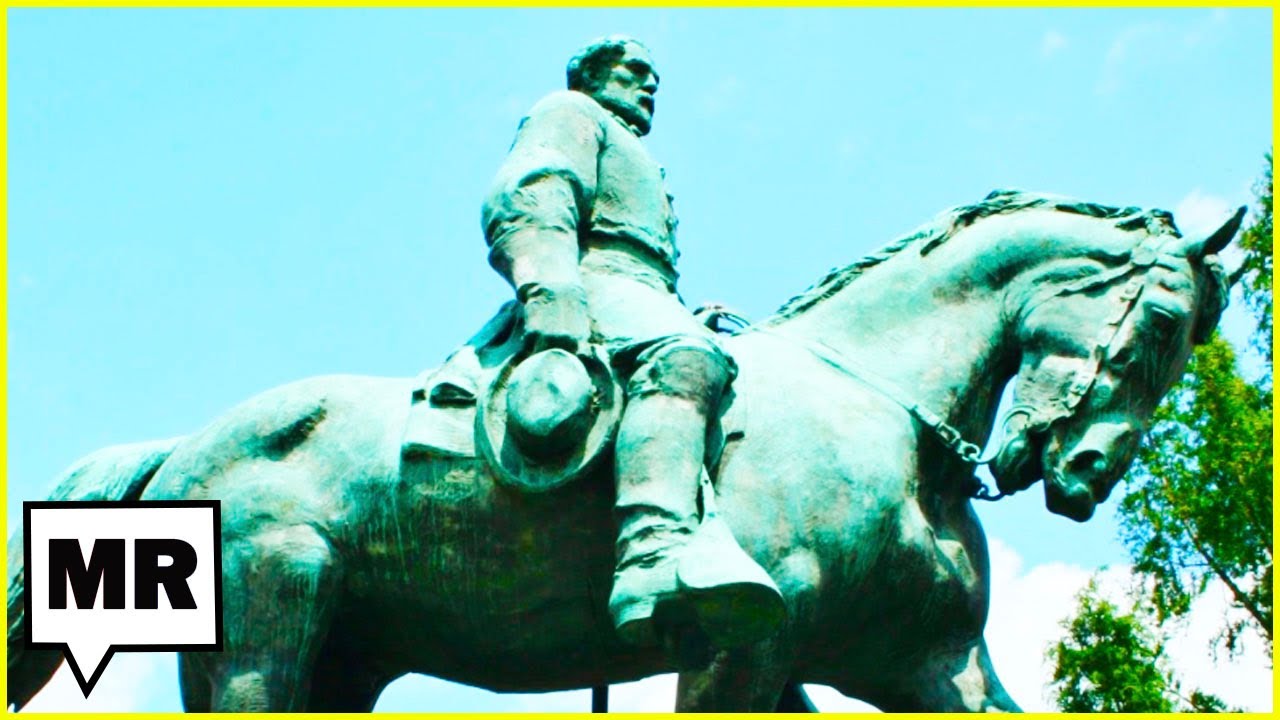
The Confederacy's loss in the US Civil War was a devastating blow to southern pride. Even in the immediate wake of the surrender at Appomatox Courthouse, southerns began crafting the "lost cause narrative". This narrative absolved the south of the crime of slavery and focused the cause of the war to "states rights" or "northern aggression". To keep this narrative alive southern white women formed The United Daughters of the Confederacy and erected thousands of monuments across the south.
We stream our live show every day at 12 PM ET.
We need your help to keep providing free videos! Support the Majority Report's video content by going to
Watch the Majority Report live MF at 12 p.m. EST at youtube.com/samseder or listen via daily podcast at
Download our FREE app
SUPPORT the show by becoming a member
We Have Merch!!!
LIKE us on Facebook
FOLLOW us on Twitter
SUBSCRIBE to us on YouTube
Edward Pollard was a journalist a Richmond journalist who wrote a book called the lost cause. and it was meant to be a history of the civil war but from the southern perspective. And he kind of lays out what he believes that the that had happened you know. And he immediately is is clear that he doesn't believe you know that the war was ever about slavery. And he basically says at the end of that book that nothing's been decided here except military defeat. And certainly, as he put it in that time negro equality had not been decided. Although this was before reconstruction in the amendments that gave the 14th amendment and then the 15th amendment which gave black men the right to vote. But that lost cause narrative that it develops immediately after the war is an effort for white southerners to try to come to terms with defeat. They can't even imagine that they were going to be defeated. So how can they justify it? And so they justify it by saying well it wasn't about the war was never about slavery. All you know all confederates are turned into heroes. All the leaders you know people like general Robert e lee and Stonewall Jackson they become I call them they're the most iconic of the lost cause heroes. And they're and they're sort of both figurative figuratively and literally placed on pedestals as representative of southern men. So in that scenario then it’s really romanticized someone likely but also helps the swage defeat helps white southerners come to terms with that. And it's also sort of it develops again each generation adds to the narrative. And then it develops into something that coincides with white supremacy and the growth of white supremacy in the south in a cultural way but also politically. So the loss causes this essentially a series of false narratives about what the war was about. making heroes out of all men. You know making light of slavery as though this was a benign institution the Ku Klux Klan of reconstruction is also recognized as heroes in this narrative. And as I said each you know and the thing about it is that it begins to enter into the conversation among politicians but it's also part of the thing that happens with children and that there's this effort that people immediately recognize that the way forward out of this in the way so that you know future southerners don't get this narrative twisted in any other way except that this was not only a lost cause but a just cause. Then you know the problem is and the why that has such staying power and why we still hear these kinds of myths today is because a group like the United Daughters of the Confederacy which put up most of those monuments in the late 19th early 20th century were also engaged in I would say disinformation campaign of rewriting history. So that you know future generations of white southerners would grow up and and and see it the same way that their ancestors had.
Emma: Yeah talk a bit more about the daughters of the United Daughters of the Confederacy. Because I was fascinated to read that southern white woman were pretty instrumental in this project to get these monuments erected.
Yes, you know monuments were being erected almost immediately after the Civil War. They were most of the early ones were placed in cemeteries where the confederate dead are buried. And those are the ladies’ memorial associations. But the United Daughters of the Confederacy become the second generation of white women who are engaged in this campaign to essentially vindicate their ancestors. And so these are generally middle-class upper-class white women who’re married or related to men of power in the region. Everywhere from you know the local judge to US senators. and they have a lot of power.
Sentinel Indexing in Progress
Metadata and chapters are available. Claim extraction for this episode is pending.
All video content is delivered via YouTube embedded players in accordance with the YouTube Terms of Service. Sentinel provides research tools that promote discovery and accountability across political media.