
The Insidious Technocratic Economic Philosophy Adopted By Liberals In The 1970s
April 16, 2022
9,998
446
41
4.87%
Search the Record
IndexedEvery word spoken in this episode is indexed. Type any phrase to jump straight to the moment it was said.
Type any word or phrase that may have been spoken. Click a result to seek the player to that exact moment.
Try a name, a topic, or a quoted line
Sam Seder Episodes Around April 16, 2022
See what was published immediately before and after this episode.


 18:52Now Playing
The Insidious Technocratic Economic Philosophy Adopted By Liberals In The 1970s





YouTube Description
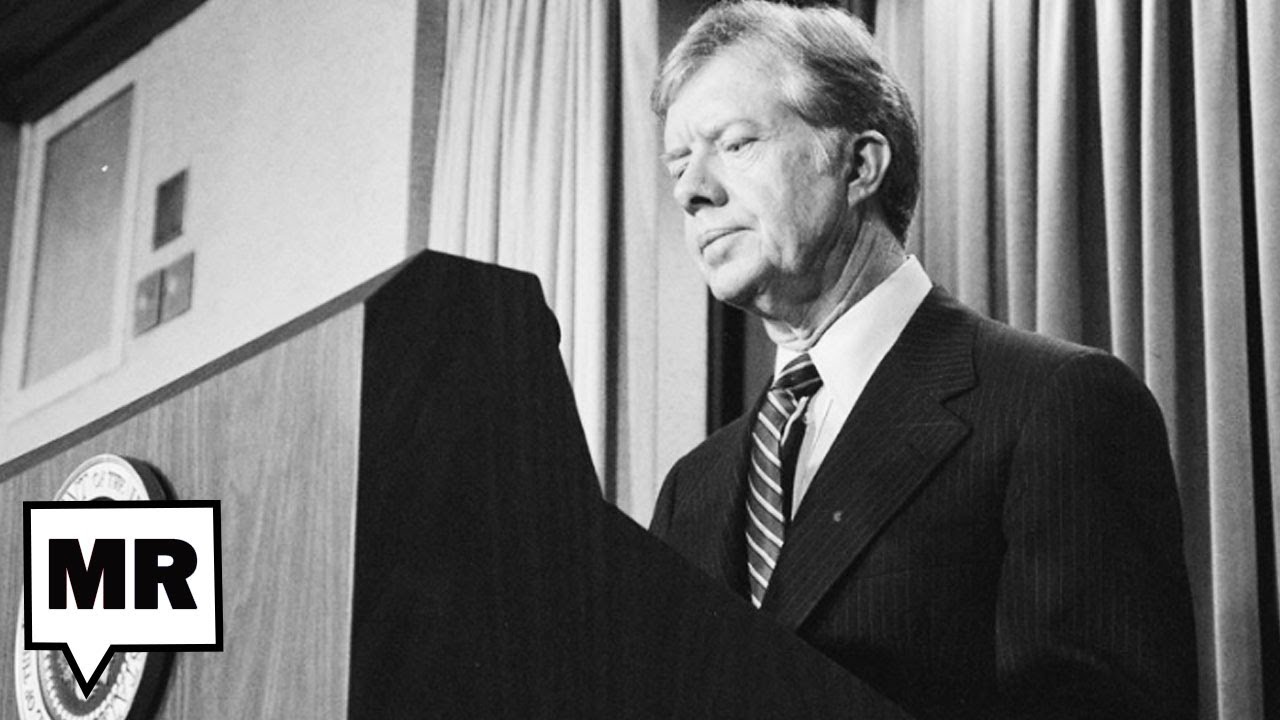
as posted by the channelIn the 1970s liberals moved away from bold progressive policy ideas. Instead, they focused on efficiency. President Carter is often viewed as a lefty who just couldn't get things done, but he helped solidify the Democratic Party's transition to this technocratic economic philosophy.
Watch the Majority Report live Monday Friday at 12 p.m. EST at or listen via daily podcast at
SUPPORT the show by becoming a member
Download our FREE app
Find TMR merchandise on our website
Spread the progressive message! LIKE and SHARE this video or leave a comment to bring attention to the stories that matter to you. And SUBSCRIBE to stay connected with The Majority Report’s video content!
Support The Majority Report by subscribing to our YouTube channel
Follow us on Social Media:
Image Credit, pingnews.com
Image has been cropped and color has been altered.
Guest: This history of how you know what I'm calling the economic style of reasoning sort of moved into Washington and spread around and took over. But a big part of what I'm also trying to do is show how that had long-term consequences and it had those effects, particularly for democrats. and I think you know some of my original motivation in writing this book was sort of you know being a product of you know coming of age in the 1990s and sort of seeing the constraints on democratic politics. And so I really wanted a way to tie very clearly this historical story to constraints on what politics on the left look like that I think are still, you know, certainly in place in the Obama administration and I think are still there today.
Emma: Absolutely I mean it's you combine despite the changes in aesthetics right of course. and I was young when Obama was first getting elected. It was my first formative political experience. The hope and change thing really got to me. But you look at the actual accomplishments of ACA, Dodd-Frank, etc. they do really do not come close to the ambitions of the policy sets the policy goals of liberals democrats in the 30s and the 70s.
Guest: yeah yeah and part of what I'm trying to argue here is that you know is that what we really had happened was that a particular set of tools for thinking about policy kind of first introduced into washington. and then really spread around became sort of taken for granted and really shaped the kinds of policy options that that we considered in the future. And so you know, when I talk about an economic style of reasoning here I'm talking about sort of a basic econ 101 kind of micro economic reasoning. So thinking about incentives, choice efficiency, you know, trying to promote choice and competition. these sort of very basic ideas. but you know as they became more prominent in policy making what ends up happening is that in some ways they also become sort of a limiting factor and what kinds of policies can be considered. and so policies that were some of the major accomplishments of democrats in the 1960s for example. something like medicare. you know if it had had to try to be passed a couple of decades later when you have institutions like the congressional budget office offering scores on policy that predict their costs. it simply wouldn't have been possible to introduce them in the same way.
Guests & Subjects Covered
Sentinel Indexing in Progress
Metadata and chapters are available. Claim extraction for this episode is pending.
All video content is delivered via YouTube embedded players in accordance with the YouTube Terms of Service. Sentinel provides research tools that promote discovery and accountability across political media.