Sam Seder
@TheMajorityReport·2M subscribers·30.1K videos
Socialism In America Never Recovered After This Man Went To Prison
Posted
January 14, 2023
Views
20,971
Likes
956
Comments
233
Engagement
5.67%
January 14, 2023
20,971
956
233
5.67%
Every word spoken in this episode is indexed. Type any phrase to jump straight to the moment it was said.
Type any word or phrase that may have been spoken. Click a result to seek the player to that exact moment.
Try a name, a topic, or a quoted line
 10:21Now Playing
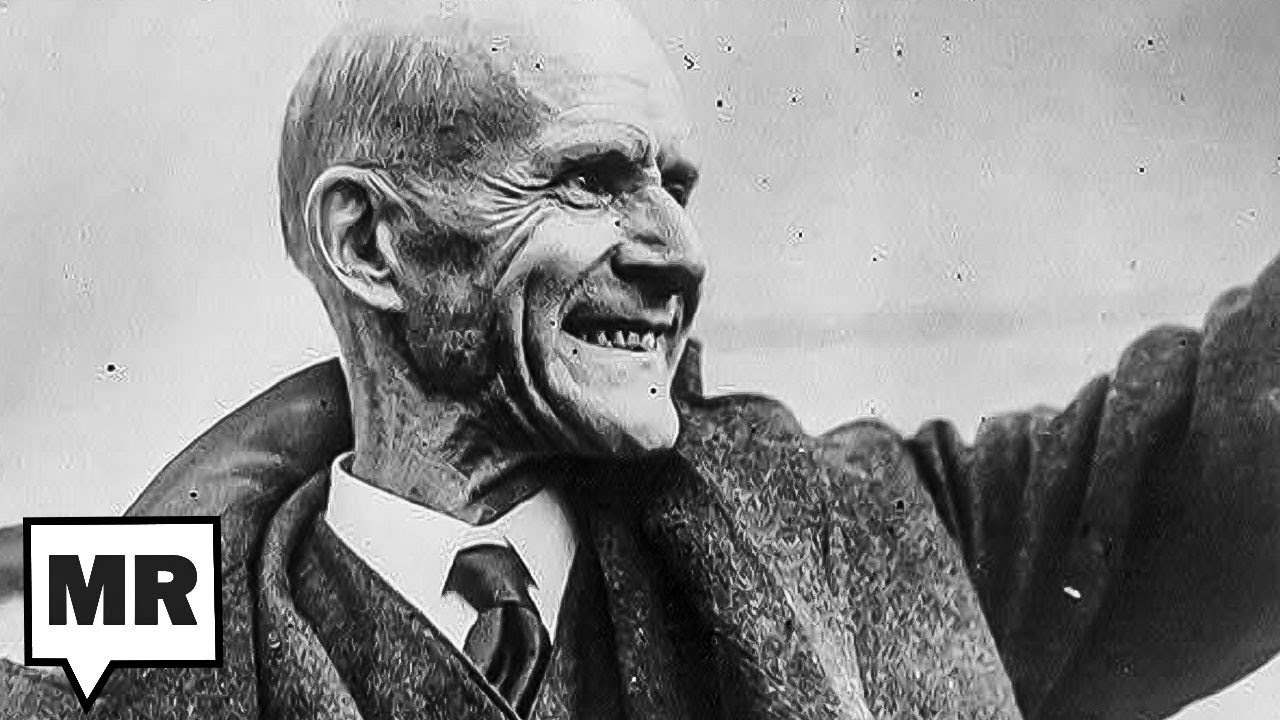
During World War I, President Woodrow Wilson's administration cracked down on political dissent, including against socialists. One of the most prominent figures targeted was Eugene V. Debs, a prominent socialist leader, and five-time presidential candidate. Debs was arrested and charged under the Espionage Act of 1917, which criminalized statements that could be interpreted as obstructing the draft or otherwise promoting insubordination in the military. Debs was convicted and sentenced to 10 years in prison. This crackdown on political dissent was part of a broader effort by the Wilson administration to suppress opposition to the war and maintain national unity.
Watch the Majority Report live MondayFriday at 12 p.m. EST on YouTube OR listen via daily podcast at
#SamSeder #EmmaVigeland #MajorityReport #politics #news #progressive #leftist #democrats #liberal
SUPPORT the show by becoming a member
Download TMR's FREE app
CHECK OUT MORE from the MR crew:
Matt Binder DOOMED
Brandon Sutton DISCOURSE
Emma Vigeland ESVN
Matt Lech LEFT RECKONING
OTHER LINKS:
Check out more from the MR crew:
Matt Binder DOOMED
Brandon Sutton THE DISCOURSE
Emma Vigeland ESVN
Matt Lech LEFT RECKONING
Image Credit, Underwood & Underwood
Image has been cropped and color has been altered.
In terms of who was targeted for their speech being restricted, I'm wondering if you could expand a little bit more on those a thousand-plus arrests of people. because I mean some targets where you know explicitly say socialist calling for an anti-war movement. but also like just more broadly the determination of which groups were subversive was expanded with this power. What were some of those groups? yeah, that's a good question, Emma. I think we would find that probably a majority of those thousand people and I should also add that about half of them I'm just talking to people sent to prison for a year or more about half of them were convicted of the Espionage Act and about half of them were convicted under copycat state laws that were sometimes written with the help of the federal justice department that duplicated the Espionage Act and in some cases went further. The Espionage Act incidentally had almost nothing to do with actual Espionage, only 10 10 of those cases where people were actually accused of being German spies. I bet of those thousand people a majority were either Socialist Party activists or militant labor activists. because these were both groups that the government wanted to suppress. The Socialist Party had won six percent of the vote for president in the ninth popular vote for president in the 1912 presidential election. and by 1917 Wilson was very afraid of them because the Socialists made significant gains in Municipal elections that fall. and he knew that if the following year in 1918 they did similarly well in the midterm elections there could be half a dozen or a dozen socialists members of the House of Representatives. which Wilson's Democrats held only by a very tiny majority. and the last thing he wanted was to have an anti-war party have the balance of power in the house. so he went about imprisoning socialists. enough of them before long so that had they all been in the same prison they could have had a good-sized party Congress Behind Bars. The most famous of them of course was Eugene Debs, the party's five-time candidate for president. a very saintly gentleman who was much respected even by people who didn't like his politics. who was deeply committed to non-violence. deeply committed to the electoral process. and sent to prison for 10 years because of an anti-war speech he gave in a park in Canton Ohio. and he was immediately brought to trial under the Espionage Act. found himself facing a judge who was the former law partner of Wilson's Secretary of War. sentenced to prison for 10 years. He was still in prison like many War critics in November of 1920. more than two years after the war ended. when inside the Atlanta Penitentiary he received 900 000 votes for president.
Sentinel Indexing in Progress
Metadata and chapters are available. Claim extraction for this episode is pending.
All video content is delivered via YouTube embedded players in accordance with the YouTube Terms of Service. Sentinel provides research tools that promote discovery and accountability across political media.