Sam Seder
@TheMajorityReport·2M subscribers·30.1K videos
US Slavery's Indigenous Expulsion Connection | Claudio Saunt | TMR
Posted
March 18, 2023
Views
4,187
Likes
251
Comments
92
Engagement
8.19%
March 18, 2023
4,187
251
92
8.19%
Every word spoken in this episode is indexed. Type any phrase to jump straight to the moment it was said.
Type any word or phrase that may have been spoken. Click a result to seek the player to that exact moment.
Try a name, a topic, or a quoted line
See what was published immediately before and after this episode.
 7:52
7:52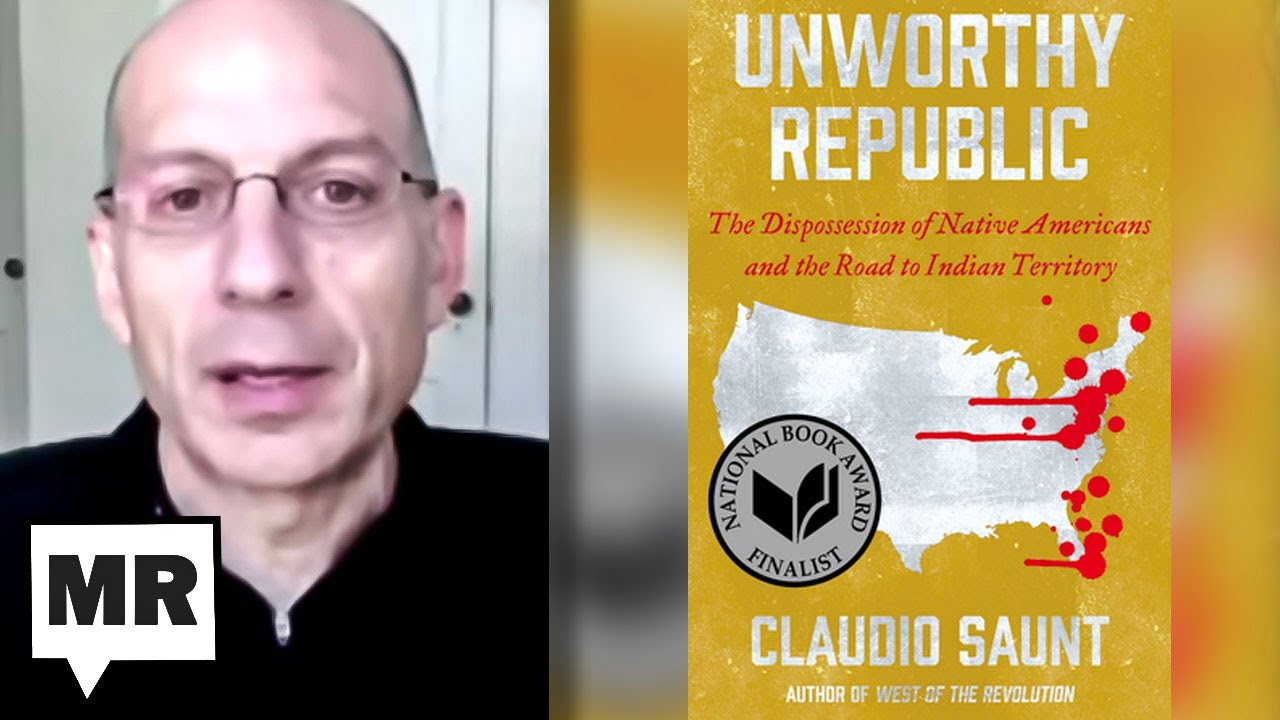 40:46Now Playing
Sam and Emma host Claudio Saunt, professor of American History at the University of Georgia, to discuss his book Unworthy Republic: The Dispossession of Native Americans and the Road to Indian Territory. Claudio Saunt then joins as he dives right into the Indian Removal Act of 1830, contextualizing it within the first half-century of American existence, with the vigilante-esque dispossession and deportation of Indigenous communities beginning with European arrival on the continent, but settling into a more formalized form of imperialism by the early 19th Century until the Indian Removal act arrived on the House floor and became perhaps the most controversial legislation in US History. Zooming out, Saunt, Sam, and Emma walk through the state of Indigenous communities in America at the start of the 1800s, with the south largely dominated by peoples including the Choctaws, Chickasaws, Seminoles, and Cherokees, with their communities built along the soil of the black belt, where their ancestors have cultivated their land and culture for ages, while the colonizing force of southern slave owners grew in their greed and desire for domination and expansion. This brings them to the role of the slave owners in the passage of the Indian Removal Act, with a relentless push from the institutions of the south (from state governments to newspapers and more) to promote this vision of a southern slave-owning empire, beginning with the expansions into GA, AL, and MS, before moving towards pacific, Mexico, and the Caribbean, not only becoming masters of those within the southern borders but dominating the American union writ large. Moving into the election of Andrew Jackson, Claudio, Sam, and Emma dive into the pressure campaign from the South (Jackson’s base) that centered the passage of the IRA only two years into his administration, balancing political threats with a fig-leaf of Christian imperialism (emphasizing “deportation as salvation”) to force the final five votes across the aisle to pass the act. They also parse through the atrocities of the greed of southern slave owners, deporting over 80k people via tactics of starvation, famine, mob violence, and general genocidal rule, as the federal government grew to a size unseen in the US before, recording every inch of people, property, and land that they claimed for themselves, and keeping track of the massive finances they spent in the process, enflamed by the multiple wars fought against the Seminoles and others. They wrap up the interview by tackling the role of the north in investing in these southern institutions, cementing their role in US society, and transforming the national economy for good.
Watch the Majority Report live MondayFriday at 12 p.m. EST on YouTube OR listen via daily podcast at
#SamSeder #EmmaVigeland #MajorityReport #politics #news #progressive #leftist #democrats #liberal
SUPPORT the show by becoming a member
Download TMR's FREE app
CHECK OUT MORE from the MR crew:
Matt Binder DOOMED
Brandon Sutton DISCOURSE
Emma Vigeland ESVN
Matt Lech LEFT RECKONING
OTHER LINKS:
Check out more from the MR crew:
Matt Binder DOOMED
Brandon Sutton THE DISCOURSE
Emma Vigeland ESVN
Matt Lech LEFT RECKONING
It is a pleasure to Welcome to the program Claudio Sant. he is a professor of American History at the University of Georgia and the author of Unworthy Republic: the dispossession of Native Americans and the road to Indian Territory. This is a history of the Indian Removal Act of 1830. Let's just give us the context because I think this is what I mean. You know one of the things that your book does is it basically blows up the idea that this was inevitable. That is because what I learned from your book is that things sort of settled a little bit in the years before. I mean at least there was some sense that this didn't have to happen I guess. but give us a sense of what those first 30 years of the 19th century were like in terms of indigenous people in this country. right, so I mean dispossession had really started from the very first moment that a colonist set foot on the continent.
Sentinel Indexing in Progress
Metadata and chapters are available. Claim extraction for this episode is pending.
All video content is delivered via YouTube embedded players in accordance with the YouTube Terms of Service. Sentinel provides research tools that promote discovery and accountability across political media.