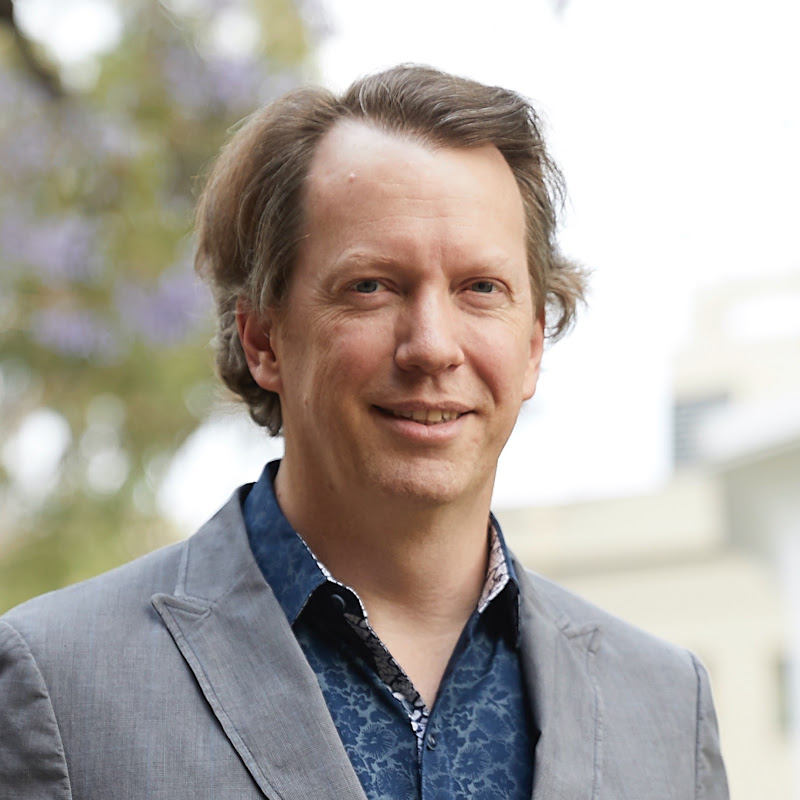
Sean Carroll
@seancarroll·255K subscribers·596 videos
The many worlds of quantum reality with Sean Carroll
Posted
May 14, 2019
Views
106,321
Likes
2,213
Comments
338
Engagement
2.40%
May 14, 2019
106,321
2,213
338
2.40%
Every word spoken in this episode is indexed. Type any phrase to jump straight to the moment it was said.
Type any word or phrase that may have been spoken. Click a result to seek the player to that exact moment.
Try a name, a topic, or a quoted line
 43:12Now Playing
For more cool science visit
What is quantum mechanics, and why is it so mysterious? What is the Many-Worlds version of quantum mechanics, and why would anyone find it compelling? How do we explain that Schrödinger's cat is both dead and alive? Isn't it unscientific to postulate an infinite number of unobservable worlds? How can space and time emerge from quantum mechanics?
One of the great intellectual achievements of the twentieth century was the theory of quantum mechanics, according to which observational results can only be predicted probabilistically rather than with certainty. Yet, after decades in which the theory has been successfully used on an everyday basis, most physicists would agree that we still don't truly understand what it means. Sean Carroll will talk about the source of this puzzlement, and explain why an increasing number of physicists are led to an apparently astonishing conclusion: that the world we experience is constantly branching into different versions, representing the different possible outcome of quantum measurements. What does this have anything do to with space and time?
Sean Carroll: The evening’s guide to many existent realities.
Sentinel Indexing in Progress
Metadata and chapters are available. Claim extraction for this episode is pending.
All video content is delivered via YouTube embedded players in accordance with the YouTube Terms of Service. Sentinel provides research tools that promote discovery and accountability across political media.