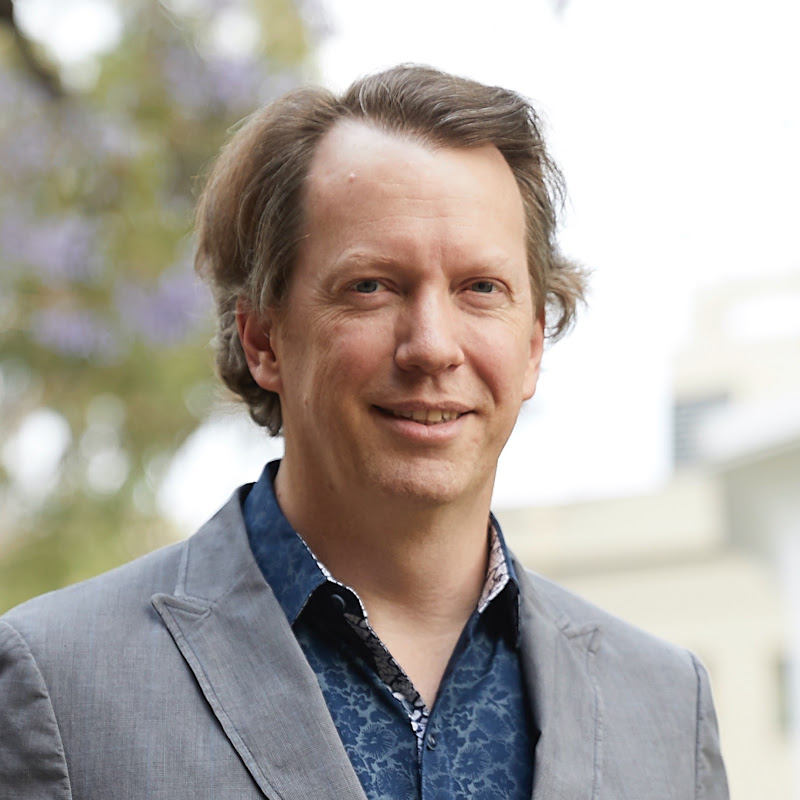
Sean Carroll
@seancarroll·255K subscribers·596 videos
Mindscape Episode 82 | Robin Carhart-Harris on Psychedelics and the Brain
Posted
February 3, 2020
Views
20,996
Likes
509
Comments
113
Engagement
2.96%
February 3, 2020
20,996
509
113
2.96%
Every word spoken in this episode is indexed. Type any phrase to jump straight to the moment it was said.
Type any word or phrase that may have been spoken. Click a result to seek the player to that exact moment.
Try a name, a topic, or a quoted line
 1:17:35Now Playing
The Convention on Psychotropic Substances was a 1971 United Nations treaty that placed strong restrictions on the use of psychedelic drugs — not only on personal use, but medical and scientific research as well. Along with restrictions placed by individual nations, it has been very difficult for scientists to study the effects of psychedelics on the brain, despite indications that they might have significant therapeutic potential. But this has gradually been changing, and researchers like Robin Carhart-Harris have begun to perform controlled experiments to see how psychedelics affect the brain, and what positive uses they might have. Robin and I talk about how psychedelics work, how they can help with conditions from addiction to depression, and how they can help people discover things about themselves.
Robin Carhart-Harris received his Ph.D. in psychopharmacology from the University of Bristol. He is currently the Director of the Centre for Psychedelic Research in the Department of Brain Sciences at Imperial College London, and holds an honorary position at the University of Oxford. His research involves functional brain imaging studies with psilocybin (magic mushrooms), LSD, MDMA (ecstasy) and DMT (ayahuasca), plus a clinical trial of psilocybin for treatment-resistant depression.
Sentinel Indexing in Progress
Metadata and chapters are available. Claim extraction for this episode is pending.
All video content is delivered via YouTube embedded players in accordance with the YouTube Terms of Service. Sentinel provides research tools that promote discovery and accountability across political media.