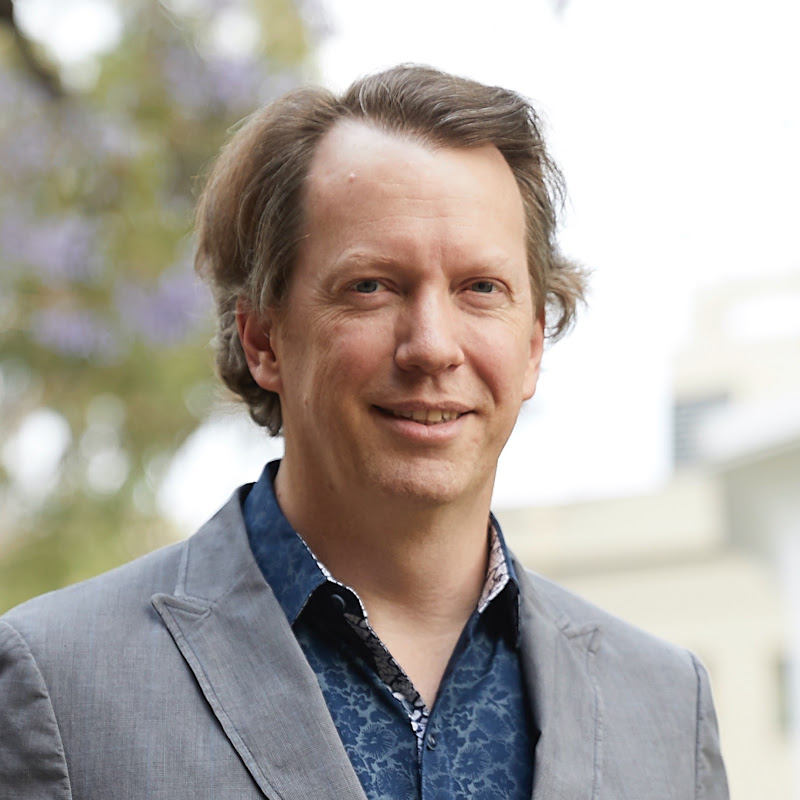
Sean Carroll
@seancarroll·255K subscribers·596 videos
Luis Bettencourt on the Universal Properties of Self-Organizing Cities
Posted
July 27, 2026
Views
3,415
Likes
87
Comments
13
Engagement
2.93%
July 27, 2026
3,415
87
13
2.93%
Every word spoken in this episode is indexed. Type any phrase to jump straight to the moment it was said.
Type any word or phrase that may have been spoken. Click a result to seek the player to that exact moment.
Try a name, a topic, or a quoted line
Episode Timeline
Every episode in order around the one you’re watching — click any card and the page flips straight to it.
 1:25:22Now Playing
Blog post with audio player, show notes, and transcript
People who live in large cities produce more patents per person than those who live in small towns. They also walk faster down the street, and use less infrastructure per person. Indeed, the relationships between these quantities and city population obey power laws with apparently universal exponents, reminiscent of scaling laws is biological organisms? Luis Bettencourt argues that they can be explained in similar ways, using ideas from complex systems and network theory.
Luis Bettencourt received a Ph.D. in theoretical physics from Imperial College London. He is currently the Lorna Puttkammer Straus Professor Department of Ecology and Evolution & Data Sciences Institute, as well as Associate Faculty and Special Friend in the Department of Sociology, at the University of Chicago. He is the author of Introduction to Urban Science: Evidence and Theory of Cities as Complex Systems.
Mindscape Podcast playlist
Sean Carroll channel
#podcast #ideas #science #philosophy #culture
Sentinel Indexing in Progress
Metadata and chapters are available. Claim extraction for this episode is pending.
All video content is delivered via YouTube embedded players in accordance with the YouTube Terms of Service. Sentinel provides research tools that promote discovery and accountability across political media.