Sebastian Raschka
@sebastianraschka·88.6K subscribers·307 videos
Modeling COVID Positivity Rates at U.S. College Campuses (Student Presentation, Group 16)
Posted
December 23, 2020
Views
1,515
Likes
7
Comments
1
Engagement
December 23, 2020
1,515
7
1
0.53%
Every word spoken in this episode is indexed. Type any phrase to jump straight to the moment it was said.
Type any word or phrase that may have been spoken. Click a result to seek the player to that exact moment.
Try a name, a topic, or a quoted line
 10:05Now Playing
This is a STAT 451 class project presentation
by Chris Kardatzke, Sebastian Khattabi, Abby Kisicki, and Andrew Tenjum.
This presentation is shared with the students' permission.
Abstract:
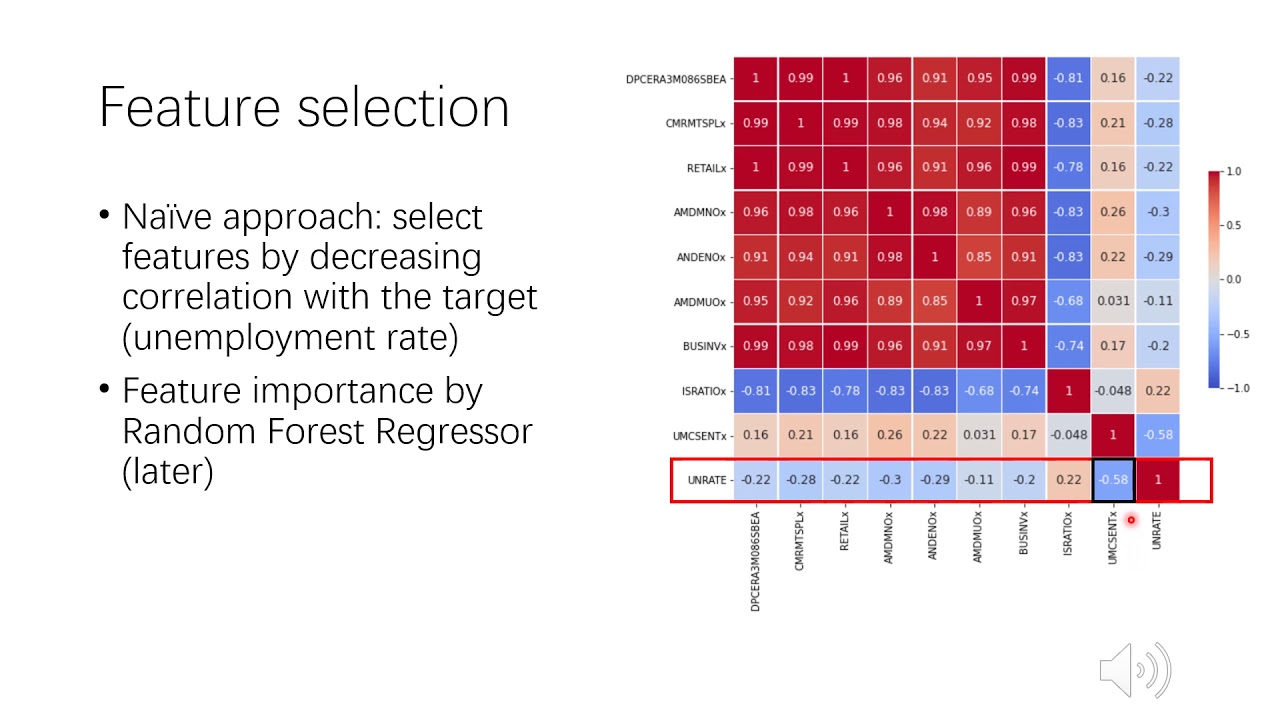
The onset of the COVID-19 pandemic forced U.S. higher education administrators to make decisions about re-opening by weighing factors of student health with qual- ity of education and avoiding revenue loss. In this paper, the results of their decisions are analyzed by the creation of a model that estimates how administrators’ decisions, as well as environmental factors, influenced COVID caseload on U.S. college campuses. This paper also investigates which machine learning model might provide the best estimates of colleges’ COVID caseload. To choose a model which will predict the number of head-of-term COVID cases most accurately, multiple different algorithms with different hy- perparameter settings were run in order to create different models from which an optimal model could be determined. Each model’s accuracy was then compared, and a model was chosen which would make the most accurate predictions. No particular model performed particularly well, however the random forest algorithm had the best generalized performance. Overall, we found that an in-person teaching modality and a state’s positivity rate were among the most important features.
Sentinel Indexing in Progress
Metadata and chapters are available. Claim extraction for this episode is pending.
All video content is delivered via YouTube embedded players in accordance with the YouTube Terms of Service. Sentinel provides research tools that promote discovery and accountability across political media.