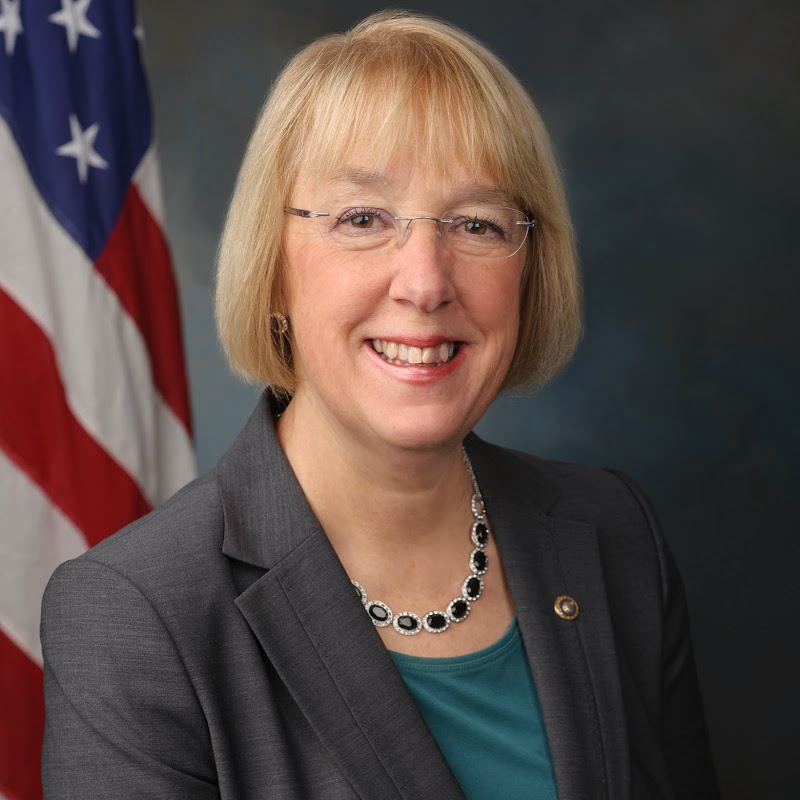
Senator Patty Murray
@pattymurray·28.7K subscribers·1.6K videos
Sen. Murray Breaks Down Proposal to Cut Families’ Child Care Costs, Establish Free Universal Pre-K
Posted
November 3, 2021
Views
57
Likes
1
Engagement
1.75%
November 3, 2021
57
1
1.75%
Every word spoken in this episode is indexed. Type any phrase to jump straight to the moment it was said.
Type any word or phrase that may have been spoken. Click a result to seek the player to that exact moment.
Try a name, a topic, or a quoted line
 12:59Now Playing
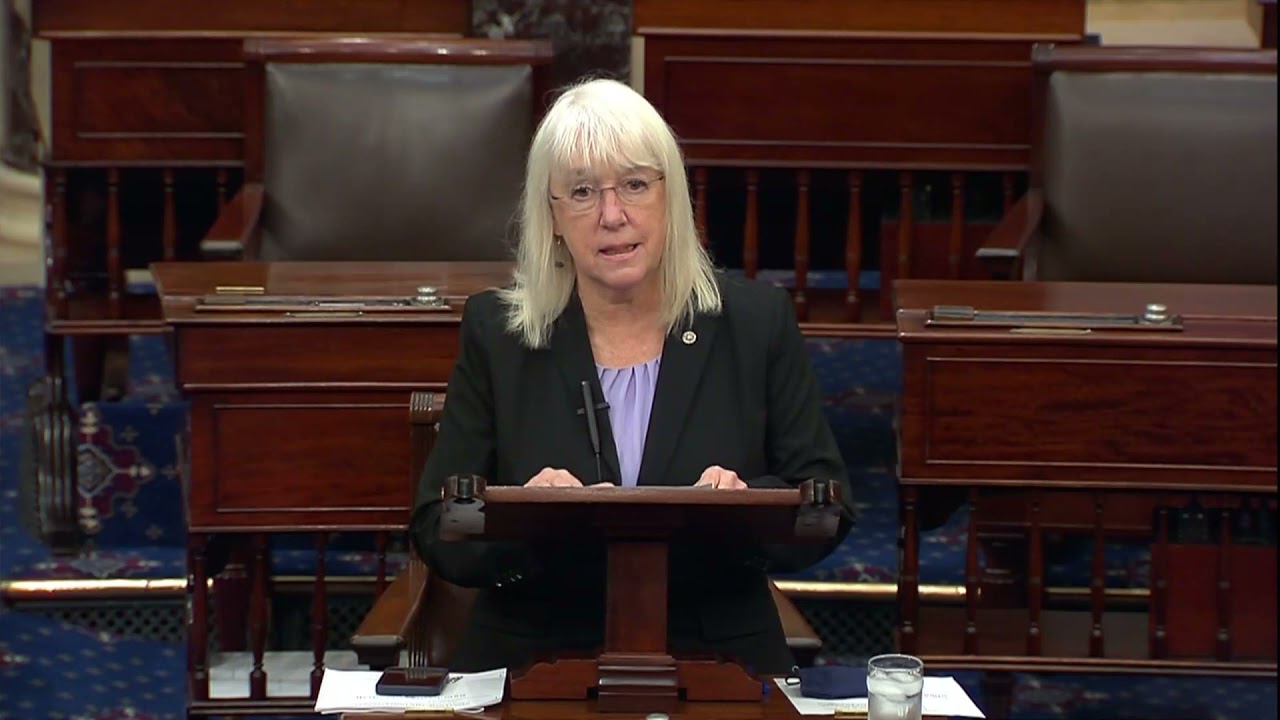
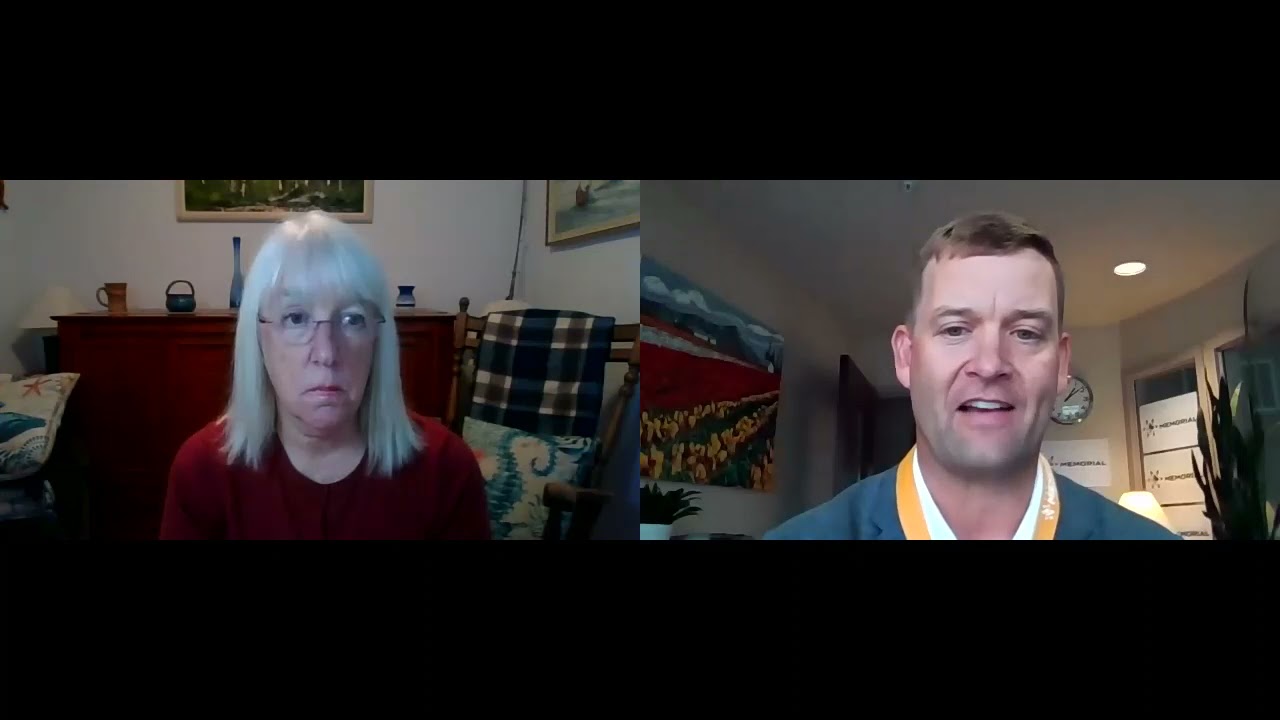
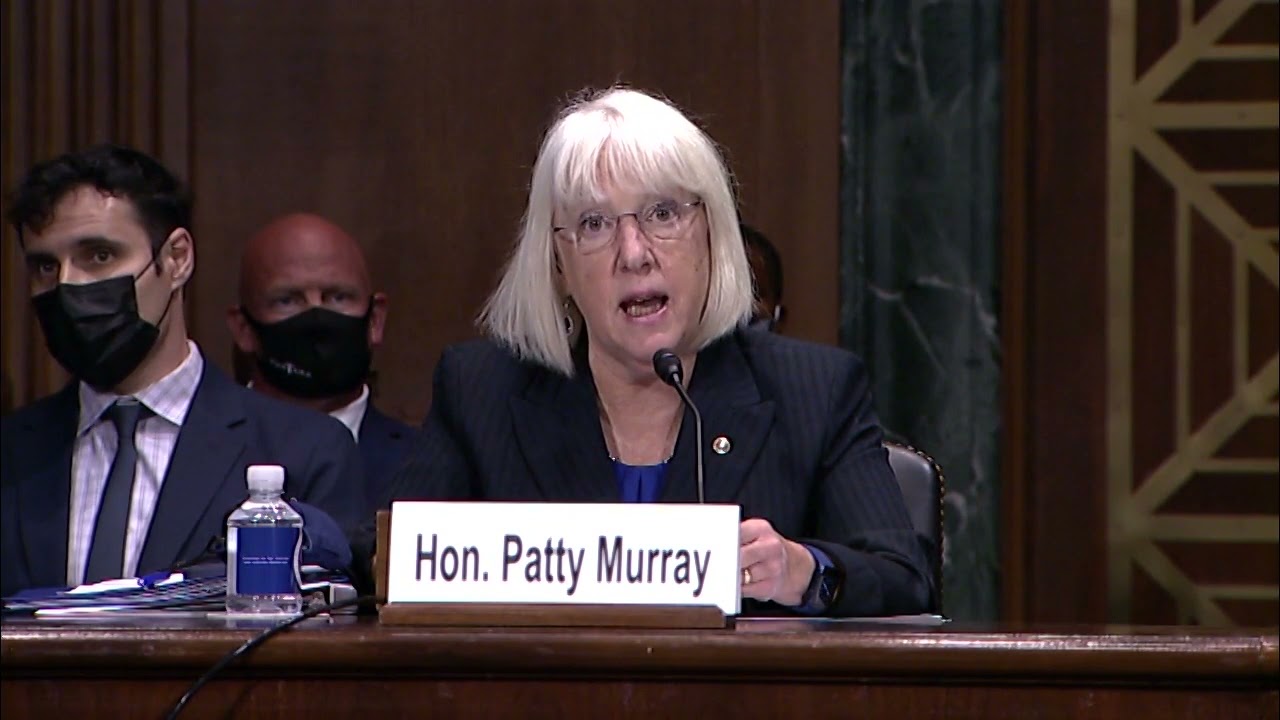
Senator Patty Murray (D-WA), a former preschool teacher and Chair of the Senate Health, Education, Labor, and Pensions Committee, held a press call with Rasheed Malik, the Associate Director of Research for Early Childhood Policy at Center for American Progress, and Ryan Pricco, the Director of Policy & Advocacy at Child Care Aware Washington, to discuss Murray’s child care proposals in the Build Back Better framework that will cut child care costs for working families drastically and establish national, universal pre-K for the first time ever.
The Build Back Better child care and universal pre-K policies were modeled off of Senator Murray’s Child Care for Working Families Act, and will dramatically lower child care costs for the vast majority of working families in America, dramatically increase the number of child care providers nationwide, raise child care workers’ wages, and establish universal pre-k for every family.
Right now, the country’s child care crisis is causing a massive financial strain on working families, forcing parents—and in particular, women—out of the workforce, and leaving child care workers unable to make ends meet. Child care is a major strain for families in Washington state, where the average annual cost of a child care center for a toddler is $13,476, meaning that a Washington state family with two young children would on average spend 29% of their income on child care for one year. At the same time, child care workers are struggling to make ends meet.
Under the child care proposal in the Build Back Better framework modeled off of Senator Murray’s Child Care for Working Families Act, families across the country would save an average of $5,000-$6,500 a year in child care costs and millions will pay nothing at all. For example, no family of four in Washington state making less than $254,000 would spend more than 7% of their income on child care once the program is fully implemented. Families earning very low incomes would spend even less, or nothing at all. A family of four making $151,000 in Washington state would save $164 per week on child care.
And even for families who can afford child care—too many can’t find it. More than 50% of Americans—and 60% of rural Americans—live in child care deserts, or communities with an inadequate supply of licensed child care—and this was before COVID-19 forced over 20,000 providers to close their doors. The Build Back Better budget would invest in building up our child care supply so that every family has access to quality child care that they can afford.
Sentinel Indexing in Progress
Metadata and chapters are available. Claim extraction for this episode is pending.
All video content is delivered via YouTube embedded players in accordance with the YouTube Terms of Service. Sentinel provides research tools that promote discovery and accountability across political media.