Mexico's Immigrant Oasis: Last Stop Before the Border
Posted
June 25, 2014
Views
968,879
Likes
5,331
Comments
1,556
Engagement
0.71%
June 25, 2014
968,879
5,331
1,556
0.71%
Every word spoken in this episode is indexed. Type any phrase to jump straight to the moment it was said.
Type any word or phrase that may have been spoken. Click a result to seek the player to that exact moment.
Try a name, a topic, or a quoted line
See what was published immediately before and after this episode.
 15:35Now Playing
Subscribe to VICE News here
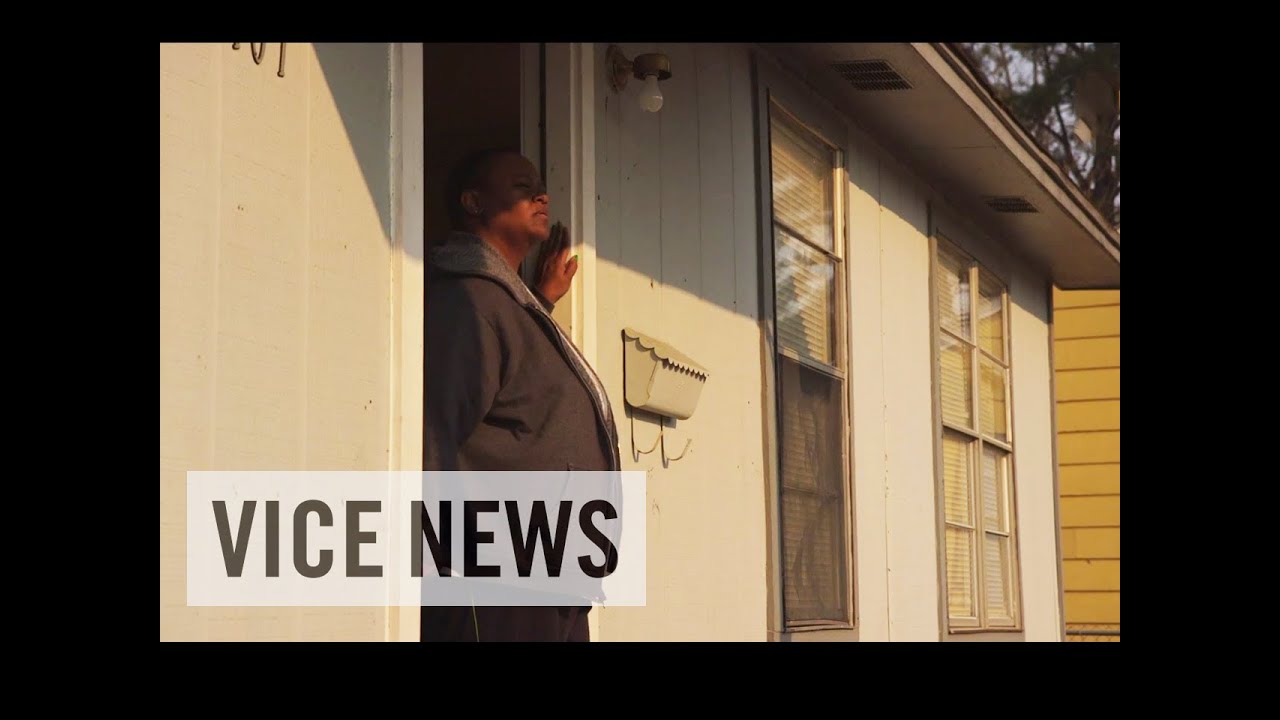
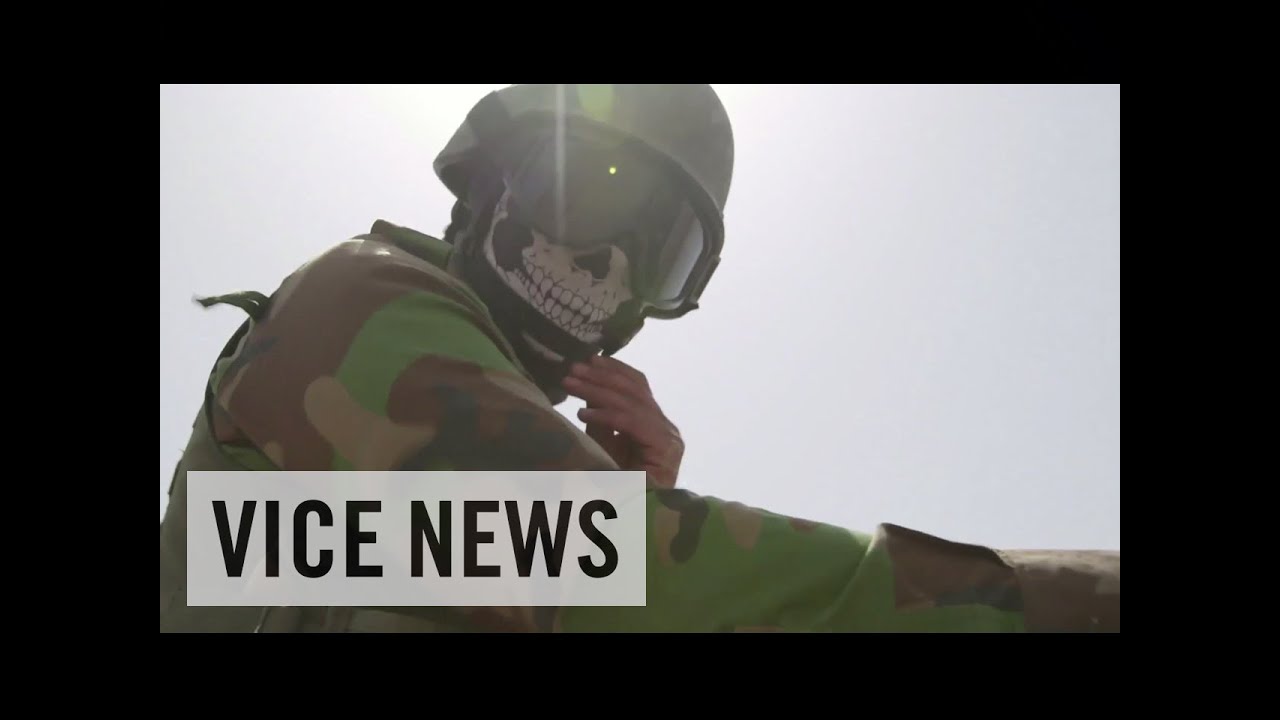
The town of Altar, Sonora, is the last stop for thousands of migrants who plan to illegally cross the border that separates Mexico and the United States in search of a better life. Here, the economy revolves around migration. Along its streets we can find everything from special slippers to avoid detection by motion sensors installed in the Arizona desert, camouflage clothing to avoid being spotted by Border Patrol agents, backpacks, gloves, and even contraceptives for the women — as it is estimated that 80 percent of them will be raped during their journey.
We wanted to know how difficult this crossing is for the migrants. It involves walking across the desert for days on end, abuse at the hands of human traffickers, and being hunted by Border Patrol agents. VICE news visited the Sasabe desert, between Sonora and Arizona, which registers temperatures of up to 120 degrees during the day and drops below 30 degrees at night. In this hellhole, the migrants may run into Father Prisciliano Peraza, a cowboy who apart from delivering mass, also travels through the desert in his pickup truck, dropping off supplies to those attempting to cross the border — to help them avoid meeting their death during the attempt.
Undocumented Immigrant Remains Found in South Texas 'Mass Graves'
Check out the VICE News beta for more
Follow VICE News here:
Sentinel Indexing in Progress
Metadata and chapters are available. Claim extraction for this episode is pending.
All video content is delivered via YouTube embedded players in accordance with the YouTube Terms of Service. Sentinel provides research tools that promote discovery and accountability across political media.