Why Ukraine Is So Obsessed With Lie Detection (HBO)
Posted
April 1, 2019
Views
40,173
Likes
529
Comments
111
Engagement
1.59%
April 1, 2019
40,173
529
111
1.59%
Every word spoken in this episode is indexed. Type any phrase to jump straight to the moment it was said.
Type any word or phrase that may have been spoken. Click a result to seek the player to that exact moment.
Try a name, a topic, or a quoted line
See what was published immediately before and after this episode.
 7:41Now Playing
The use of lie detectors is flourishing in Ukraine, despite being widely discredited in other parts of the world. The devices are used to sniff out corruption and to screen potential employees — even to settle romantic disputes.
Love for Survival is a popular Ukrainian reality show which reaches millions of Ukrainians through TV and online. The premise of the show is to put the relationships of participating couples to the test, including with a polygraph exam focused primarily on fidelity.
If you believe that a country’s reality TV tells you something about the national character of the people then it’s no wonder Love for Survival is so popular, as Ukraine is in the grips of a polygraph obsession.
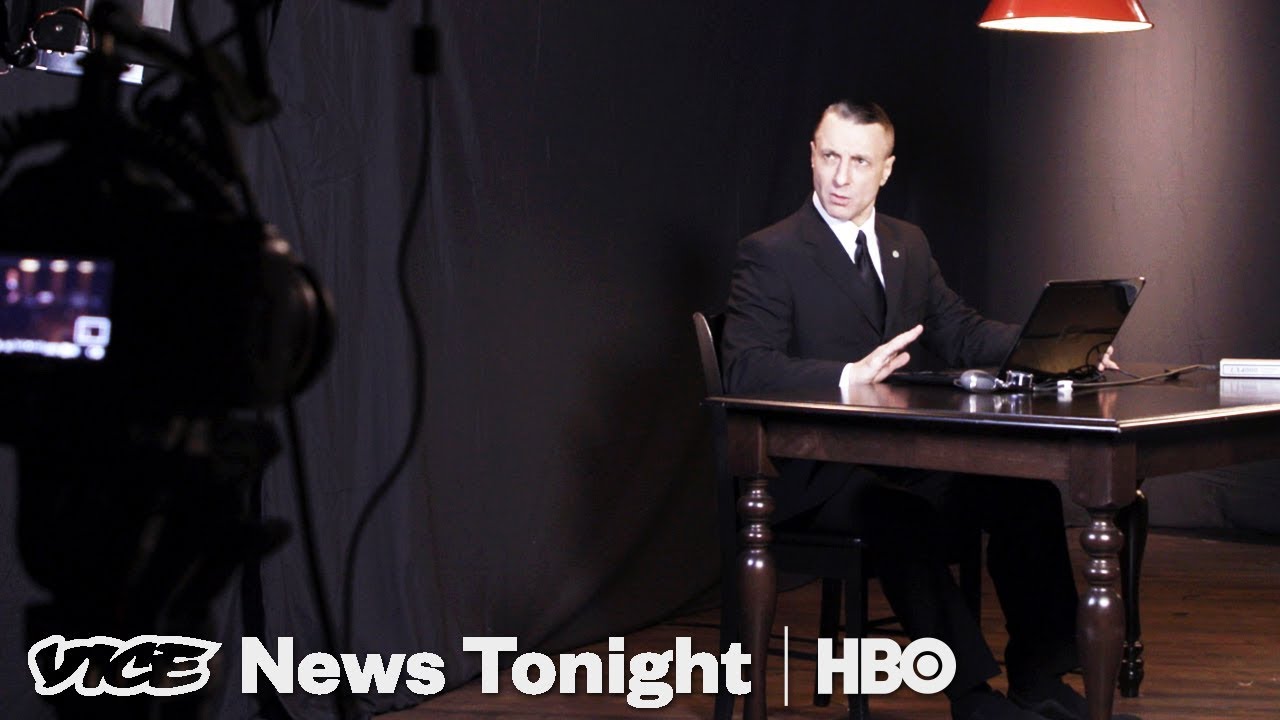
VICE News spent a day on the TV set with polygraph examiner Andriy Volyk. A national celebrity known as “The Lie Detector man.” He wore a black suit, tie and has pomaded hair, a look he described as the “professional appearance of a polygraph examiner.”
Volyk tested contestant Aleksei Vladimirovich while his girlfriend Roksolana Nikitina waited nervously outside. Roksolana knows “five people” who have also taken polygraph tests, “two of them took it to test their relationships just like Aleksei and I.”
But tests for fidelity are just the start. The last decade has seen a rapid growth of the industry. The All-Ukrainian Polygraph association started with just 12 members in 2014, but it now has over 300, according to the association’s Executive Director Volodymr Vehmid.
Polygraph tests are also a common job interview stage for bankers, tax inspectors, cleaners, military personnel and anti-corruption officials. And unlike much of Europe, polygraph evidence is allowable in court, forming part of the case against Nadiya Savchenko, a former Member of Parliament arrested in 2018 for her alleged role in a coup d'etat.
However, since their invention, polygraphs have been controversial, criticised as pseudoscience.
A comprehensive 2002 report by the National Academy of Sciences found a “lack of understanding of the processes that underlie polygraph responses” and concluded that the quality of polygraph research “falls far short of what is desirable.”
But these doubts aren’t damaging the polygraph’s popularity in Ukraine. Psychotherapist and vocal critic Irina Muzychuk, believes there is a cultural reason for this. She says that in “highly unstable societies like Ukraine” they give “hope that the truth will be found.”
Since breaking from the Soviet Union in 1990, the country has suffered from three decades of corruption, oligarchy and conflict. A continuing proxy war with Russia is now the greatest source of national paranoia. 13,000 have died and propaganda is rife. It's no wonder Ukrainians are susceptible to a technology that promises to deliver truth.
Ukraine’s Chief Military Prosecutor now wants to weaponize lie detection technology in the country’s war against Russian. Colonel General Anatolii Matios announced on TV, “I will reveal a big secret today … at a powerful … scientific center a polygraph program is being developed …”
His proposal is still in development, but essentially he wants to use a computer based lie detection test, which bears some similarities to an unconscious bias test, to quickly, and on a mass scale, weed out collaborators with Russian separatists.
This Orwellian sounding tool, developed by the makers of Ukraine’s own “Rubicon” polygraph has a claimed accuracy of around 70 per cent.
When pushed on the human rights aspect of his proposal the General’s response was one of expedience: “people can't wait for years while the state establishes whether they are guilty or not. Polygraphs will make it all easier, as well as screening tests and tools.”
Ukraine’s obsession with lie detection might make great TV, but in seems unlikely it will provide the certainties Ukrainians want.
Subscribe to VICE News here
Check out VICE News for more
Follow VICE News here:
More videos from the VICE network
Sentinel Indexing in Progress
Metadata and chapters are available. Claim extraction for this episode is pending.
All video content is delivered via YouTube embedded players in accordance with the YouTube Terms of Service. Sentinel provides research tools that promote discovery and accountability across political media.