Stephen Gardner
@stephengardner1·2.1M subscribers·3.4K videos
Hillary Clinton JUST Fell Into Trump’s Trap!
Posted
August 8, 2026
Views
79,017
Likes
12,092
Comments
1,309
Engagement
16.96%
August 8, 2026
79,017
12,092
1,309
16.96%
Every word spoken in this episode is indexed. Type any phrase to jump straight to the moment it was said.
Type any word or phrase that may have been spoken. Click a result to seek the player to that exact moment.
Try a name, a topic, or a quoted line
Episode Timeline
Every episode in order around the one you’re watching — click any card and the page flips straight to it.
 16:30Now Playing
Hillary Clinton is telling the Democratic Party to lean into its new socialist candidates if that’s what it takes to defeat President Trump and regain control of Congress. That comes even as prominent Democrats and former Clinton insiders warn that the rise of socialism inside their party could be dangerous for both Democrats and America. Some openly fear these candidates are pushing the party too far left, while others appear willing to take that gamble if it weakens Trump politically.
Former Clinton pollster Mark Penn and former New York City Council President Andrew Stein are sounding the alarm that socialism is no longer sitting on the political fringe. Clinton White House veteran Jamie Metzl has gone even further, warning that the Democratic Socialists of America represent a serious threat to his party and the country. Yet Hillary Clinton is pushing back, dismissing much of the socialist label as political rhetoric and arguing Democrats should support candidates capable of beating Republicans.
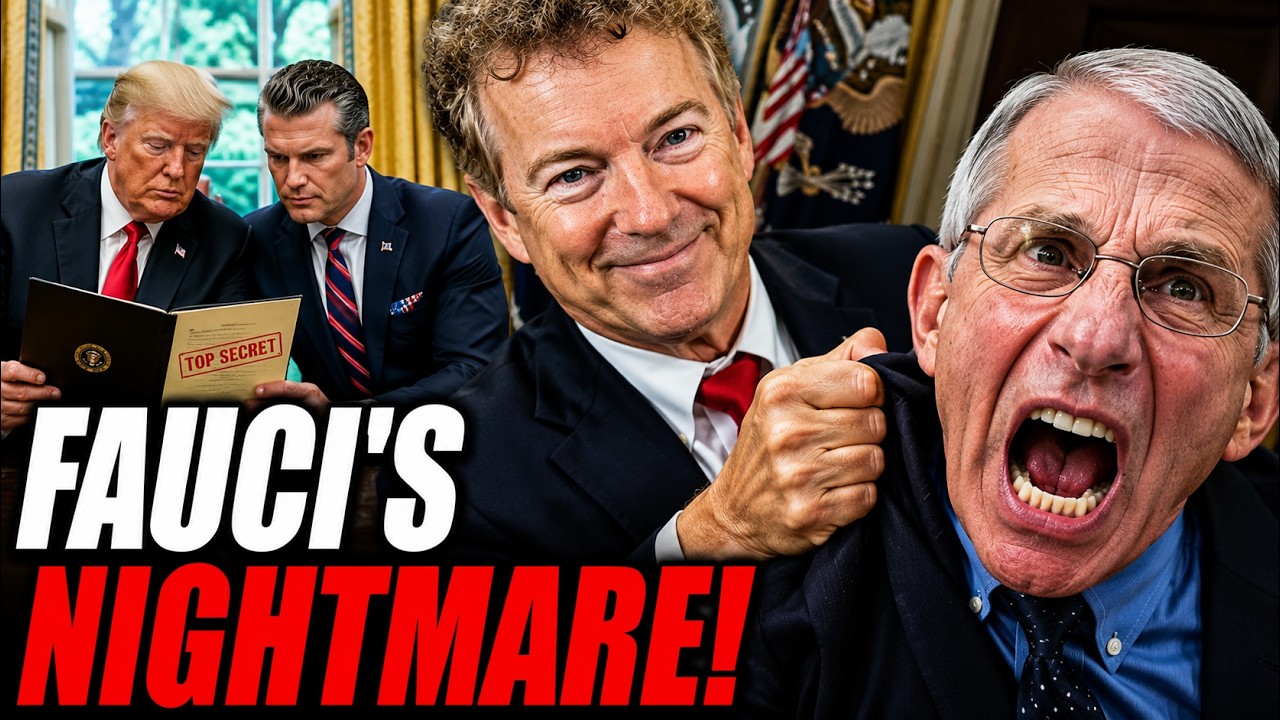
Meanwhile, Dr. Anthony Fauci could be facing a completely different kind of pressure. Florida, West Virginia and Louisiana have summoned Fauci to testify, while Mississippi officials are also reportedly seeking answers. Senator Rand Paul continues questioning why Fauci’s presidential pardon stretched all the way back to 2014, connecting that timeline to the controversy surrounding U.S.-funded gain-of-function research. Florida Governor Ron DeSantis is also arguing that the wet-market narrative distracted Americans from examining Fauci’s own decisions and conduct surrounding COVID.
Finally, the Iran conflict may have entered its most deceptive phase yet. Things appear calmer, oil prices are relatively stable, and negotiations involving Iran and Oman could potentially restore more shipping through the Strait of Hormuz.
But calm does not necessarily mean peace.
Iran increasingly views control over Hormuz as one of its greatest strategic weapons. Rather than relying solely on missiles or nuclear threats, Tehran can potentially pressure the entire global economy by threatening one of the world's most important energy routes.
President Trump therefore faces an enormous decision: find an off-ramp that protects international shipping without rewarding Iran, or risk another round of escalation while American precision-weapons stockpiles are under pressure.
Is this finally the beginning of the end—or simply the calm before an even bigger war?
Sentinel Indexing in Progress
Metadata and chapters are available. Claim extraction for this episode is pending.
All video content is delivered via YouTube embedded players in accordance with the YouTube Terms of Service. Sentinel provides research tools that promote discovery and accountability across political media.