Talk East Turkestan
@talkeastturkestan·4.2K subscribers·677 videos
China’s Dystopian Experiment in East Turkistan ( Xinjiang )
Posted
March 28, 2020
Views
81
Likes
2
Comments
2
Engagement
March 28, 2020
81
2
2
4.94%
Every word spoken in this episode is indexed. Type any phrase to jump straight to the moment it was said.
Type any word or phrase that may have been spoken. Click a result to seek the player to that exact moment.
Try a name, a topic, or a quoted line
 1:41:47Now Playing
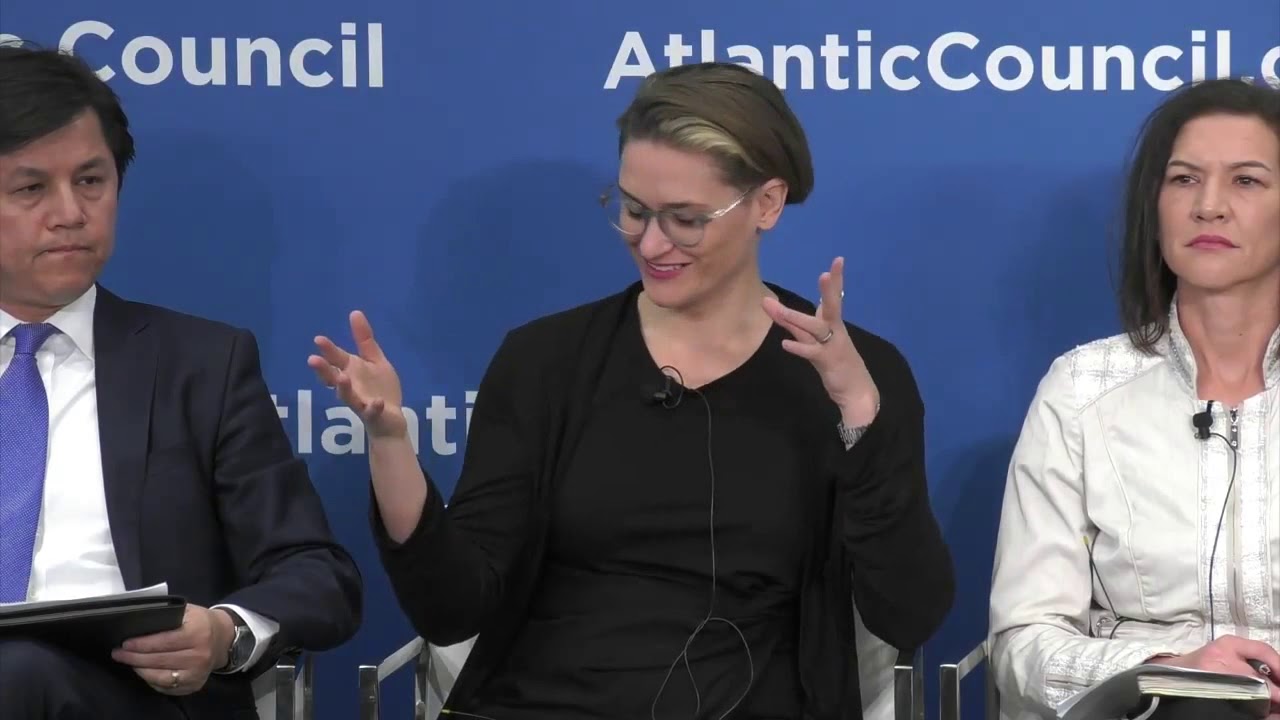
On February 6, Hudson Institute hosted an event on the Chinese Communist Party's police state in Xinjiang and what it means for the world’s future. U.S. Sen. Tom Cotton of Arkansas delivered keynote remarks, followed by a panel of Uyghur human rights leaders and experts. China’s ruling Communist Party has transformed Xinjiang into a police state for the region’s native Uyghur people, with as many as one million Uyghurs and others detained in “political re-education” camps. Total control of Xinjiang has become vital to the PRC’s Belt Road Initiative (BRI) to establish a new world system that favors authoritarian powers. Meanwhile, Beijing touts its technologically enabled police state as a model for other parts of China and for other countries. What do we know about the current situation in Xinjiang and the plight of the Uyghurs, and why have liberal governments and others of good conscience failed so far to challenge the Communist Party over its egregious policies and actions? What are the implications of the PRC’s total empire in Xinjiang for the future of liberal institutions and human rights norms, and for the new long argument between open societies and the resurgent forces of authoritarianism?
Sentinel Indexing in Progress
Metadata and chapters are available. Claim extraction for this episode is pending.
All video content is delivered via YouTube embedded players in accordance with the YouTube Terms of Service. Sentinel provides research tools that promote discovery and accountability across political media.