Thais Gibson Personal Development School
@thepersonaldevelopmentschool·499K subscribers·3.8K videos
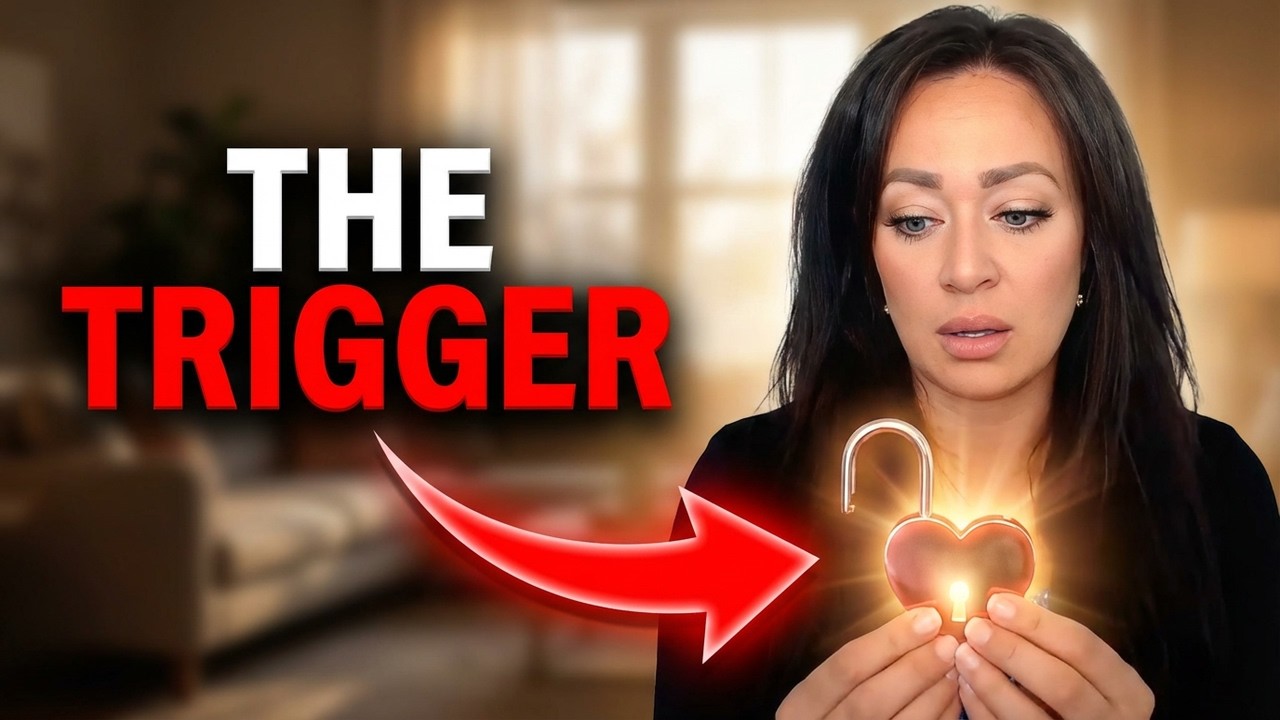
The Avoidant Falls in Love When This Happens
Posted
April 13, 2026
Views
11,732
Likes
319
Comments
49
April 13, 2026
11,732
319
49
3.14%
Every word spoken in this episode is indexed. Type any phrase to jump straight to the moment it was said.
Type any word or phrase that may have been spoken. Click a result to seek the player to that exact moment.
Try a name, a topic, or a quoted line
 9:37Now Playing
Repair Any Relationship & Break Through The Power Struggle Phase
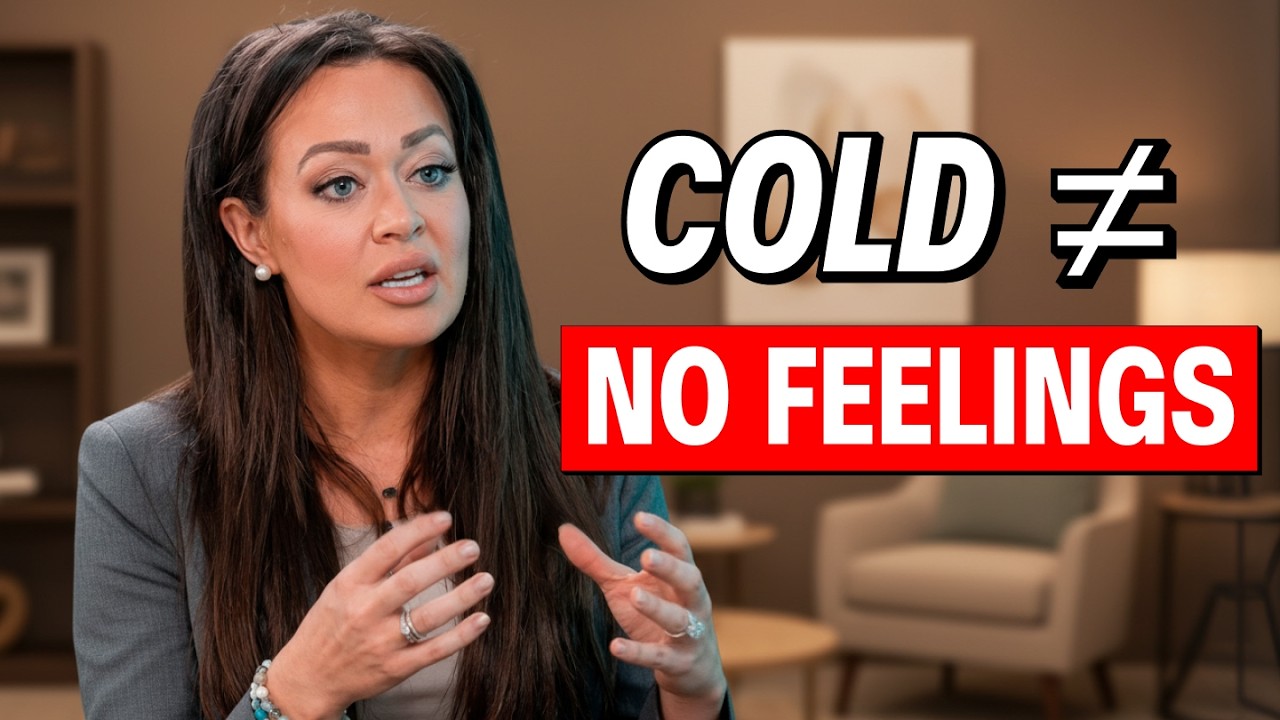
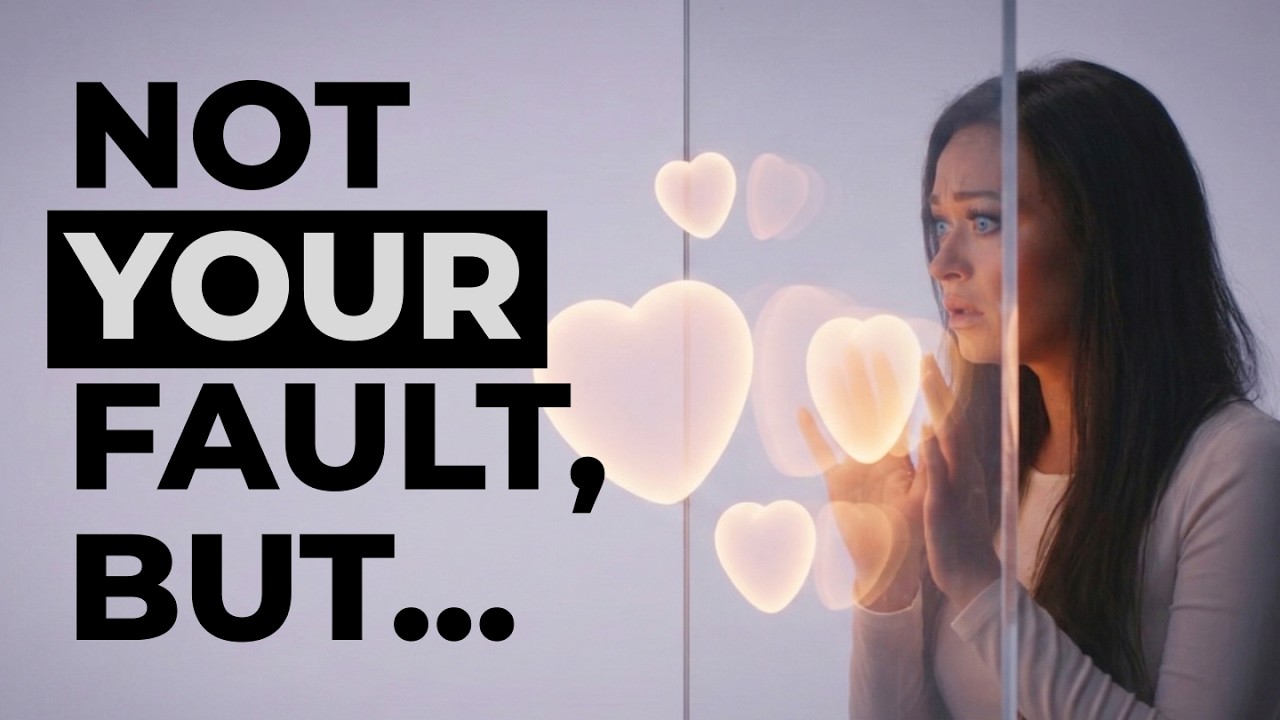
Dismissive Avoidants Have a Unique Way of Falling in Love. They don’t fall in love the way most people expect.
In fact, the very thing that activates their feelings…
can also create the very distance that keeps relationships stuck.
Episode Summary
In this video, Thais Gibson breaks down the surprising pattern behind how Dismissive Avoidants fall in love and why it can feel confusing or even contradictory.
Dismissive Avoidants tend to operate in a state of feelings minus fears. As emotional closeness increases, so do subconscious fears tied to past experiences, often rooted in childhood emotional neglect .
This creates a push-pull dynamic:
When connection deepens, fear rises
When distance appears, fear subsides and feelings resurface
You’ll also learn how Dismissive Avoidants develop hyper-independence as a coping mechanism, and how their deepest unmet needs (like being seen, understood, and accepted) play a major role in attraction and emotional bonding.
Most importantly, this episode highlights a crucial truth:
You cannot build a healthy relationship by abandoning yourself.
Real connection requires:
Understanding your partner’s needs
Communicating your own needs clearly
Creating space for both people to feel seen and supported
Because relationships only work when both people have room to exist fully.
Key Takeaways
✔️ Why Dismissive Avoidants fall in love differently than other Attachment Styles
✔️ What “feelings minus fears” means and how it shapes behavior
✔️ How childhood emotional neglect impacts adult relationships
✔️ Why closeness can trigger fear and distance can increase feelings
✔️ The role of hyper-independence in Avoidant Attachment
✔️ How unmet childhood needs drive attraction and bonding
✔️ Why being seen, understood, and accepted is crucial for avoidants
✔️ The importance of not abandoning your own needs in relationships
✔️ How healthy relationships require mutual space and communication
⏱ Timestamps
Meet the Host
Thais Gibson is the founder of The Personal Development School and a world leader in attachment theory. With a Ph.D. and over a dozen certifications, she’s helped more than 70,000 people reprogram their subconscious and build thriving relationships.
Helpful Resources:
🧠 Take the Free Attachment Style Quiz
📚 Read the Learning Love Book
🎧 Discover Podcast Episodes
📝 Read the PDS Blog
Let’s Connect on Socials:
Sentinel Indexing in Progress
Metadata and chapters are available. Claim extraction for this episode is pending.
All video content is delivered via YouTube embedded players in accordance with the YouTube Terms of Service. Sentinel provides research tools that promote discovery and accountability across political media.