The Atlantic
@TheAtlantic·924K subscribers·2K videos
Trump and the January 6 Memory Hole
Posted
October 24, 2024
Views
9,064
Likes
433
Comments
118
Engagement
6.08%
October 24, 2024
9,064
433
118
6.08%
Every word spoken in this episode is indexed. Type any phrase to jump straight to the moment it was said.
Type any word or phrase that may have been spoken. Click a result to seek the player to that exact moment.
Try a name, a topic, or a quoted line
 26:03Now Playing
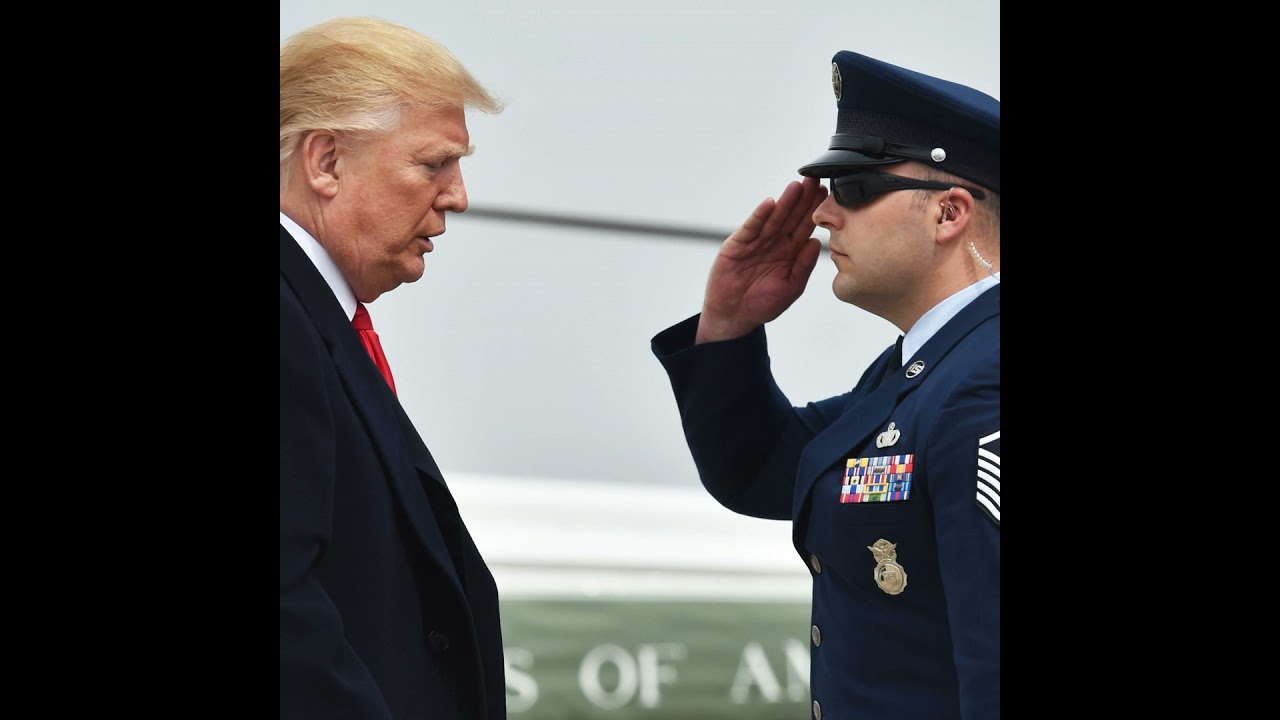
The way Donald Trump talks about January 6 has evolved over time. Directly after the insurrection, he condemned the rioters, although he added that they were “very special.” For the next few years, he played around with different themes, implying the protests were peaceful or that the people jailed for their actions that day were “political prisoners.”
But these descriptions are mild compared to the outrageous ways he’s been talking about January 6 in these weeks leading up to the election. Recently, he described the day as “love and peace” and upped the metaphor from political prisoners to Japanese Americans in internment camps during World War II. Why is he leaning so hard into the political revisionism? And what exactly should we be afraid of?
In this episode of Radio Atlantic, we talk to Representative Jamie Raskin of Maryland, who has a unique view of that day. Raskin explains what January 6, 2025, might look like and what is historically unique about Trump’s claims. And I ask Raskin the question I’ve been wondering: When might it be appropriate to let January 6 go?
Listen to We Live Here Now, a new podcast series from The Atlantic hosted by Lauren Ober and Hanna Rosin
Sentinel Indexing in Progress
Metadata and chapters are available. Claim extraction for this episode is pending.
All video content is delivered via YouTube embedded players in accordance with the YouTube Terms of Service. Sentinel provides research tools that promote discovery and accountability across political media.