The Economist
@TheEconomist·3.9M subscribers·1.5K videos
The climate-change experiment
Posted
October 26, 2017
Views
114,687
Likes
1,414
Comments
522
Engagement
1.69%
October 26, 2017
114,687
1,414
522
1.69%
Every word spoken in this episode is indexed. Type any phrase to jump straight to the moment it was said.
Type any word or phrase that may have been spoken. Click a result to seek the player to that exact moment.
Try a name, a topic, or a quoted line
 5:21Now Playing
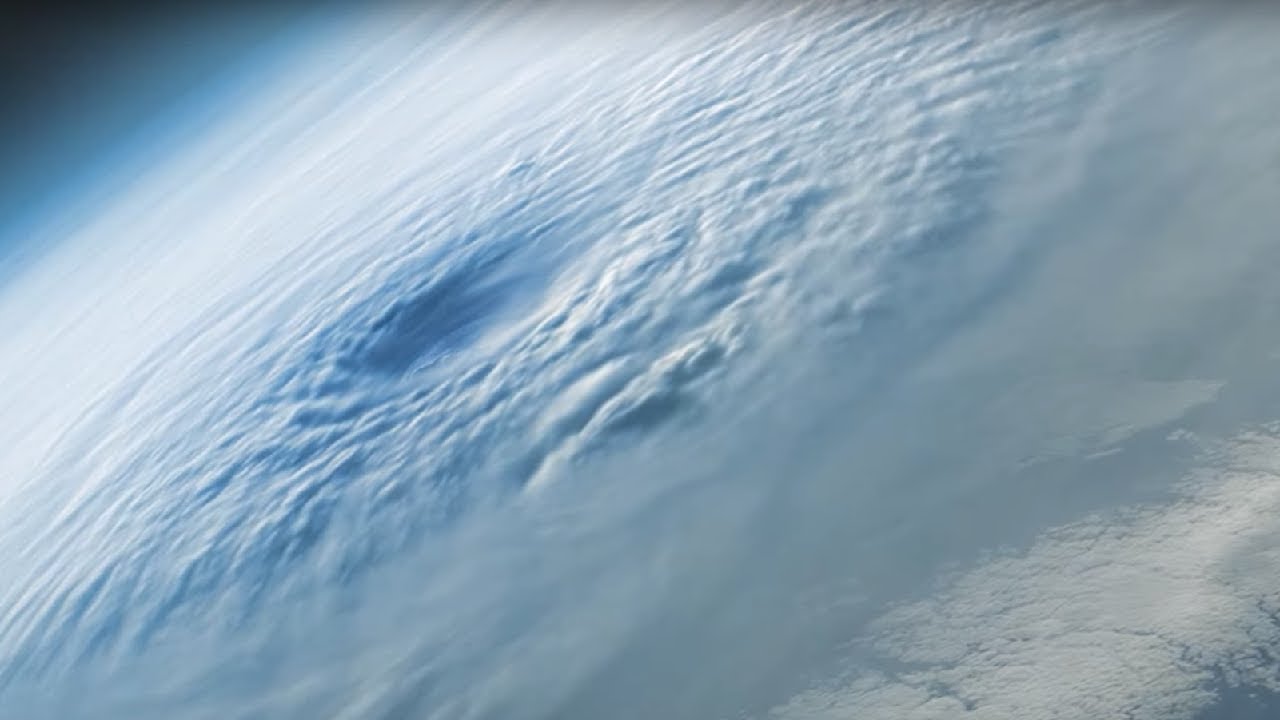
Climate-change experts are researching ways to cool down the planet using geoengineering. How could spraying chemicals into the stratosphere help counteract global warming?
Click here to subscribe to The Economist on YouTube
What if you discovered a way to cool down the planet? Extreme weather events are becoming more common and more ferocious. As the surface temperature of earth continues to rise, so too will the ferocity of natural disasters.
In 2018 scientists will take bold steps to explore a technology that could reverse the effects of climate-change. They’re looking at ways to reflect sunlight back into space and cool down the planet.
Insurers say the number of weather-related disasters has quadrupled since 1970. While world leaders are debating and disputing climate-change and the ways in which humans alter their behaviour on earth, some scientists discuss changes to the earth itself.
In 2018, they’ll take to the stratosphere to learn what it might take – or cost – to cool the planet directly. Geoengineering is the pioneering science that could well be on everyone’s lips in 2018.
The team from Harvard University is the first in the world to test the effects solar geoengineering might have in the stratosphere.
The experiments in 2018 won’t impact the climate, but if one day implemented, this controversial intervention could help curb extreme weather events.
Solar geoengineering has the potential to save lives, but it also poses unknown risks. And there are fears that merely researching geoengineering might be detrimental to the long-term fight against climate-change.
Some environmentalists say that the drive to reduce carbon dioxide emissions could be lost if there’s seen to be a quick fix.
And deciding who controls a technology that affects everyone on the planet won’t be easy. Ultimately solar geoengineering could prove a risk not worth taking. But ignoring it now could be even more dangerous.
Daily Watch: mind-stretching short films throughout the working week.
For more from Economist Films visit
Check out The Economist’s full video catalogue
Like The Economist on Facebook
Follow The Economist on Twitter
Follow us on Instagram
Follow us on LINE
Follow us on Medium
Sentinel Indexing in Progress
Metadata and chapters are available. Claim extraction for this episode is pending.
All video content is delivered via YouTube embedded players in accordance with the YouTube Terms of Service. Sentinel provides research tools that promote discovery and accountability across political media.