The Jim Rutt Show
@jimruttshow·4.4K subscribers·597 videos
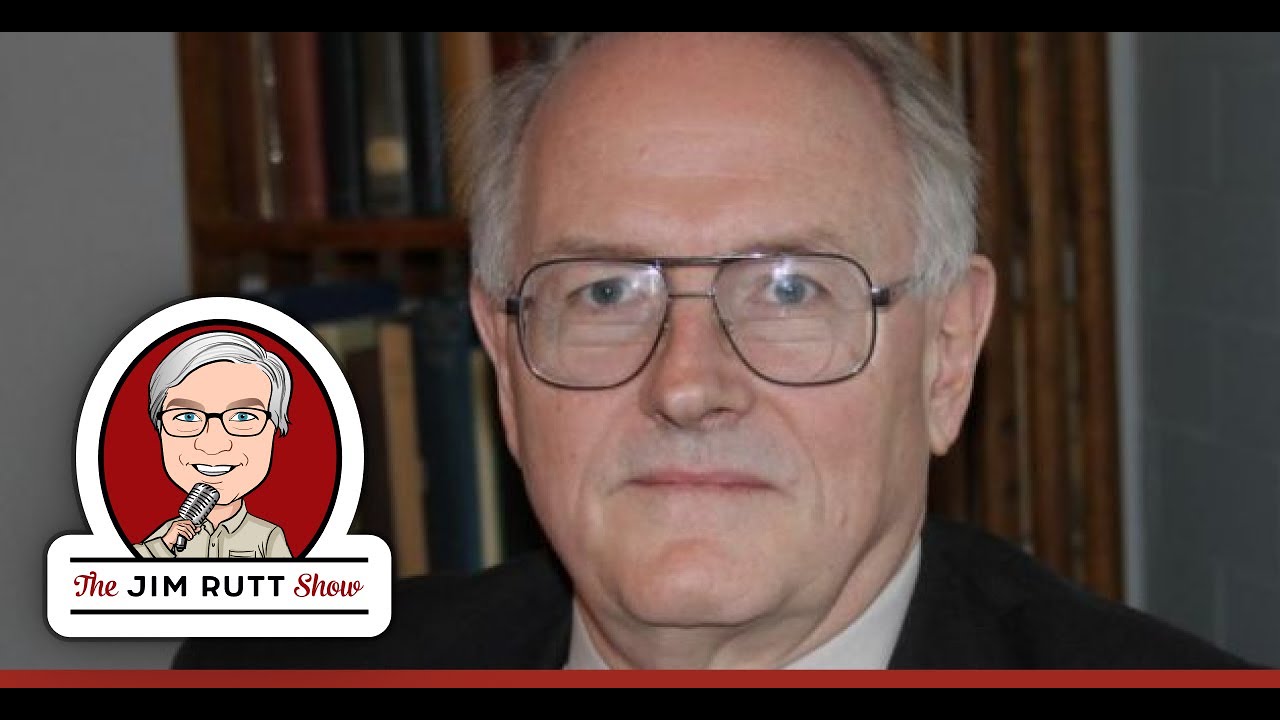
Currents 051: Douglas Rushkoff on the Once and Future Internet
Posted
February 25, 2022
Views
258
Likes
12
Comments
7
Engagement
February 25, 2022
258
12
7
7.36%
Every word spoken in this episode is indexed. Type any phrase to jump straight to the moment it was said.
Type any word or phrase that may have been spoken. Click a result to seek the player to that exact moment.
Try a name, a topic, or a quoted line
 1:14:24Now Playing
Click here for full show notes including episode mentions & recommendations!
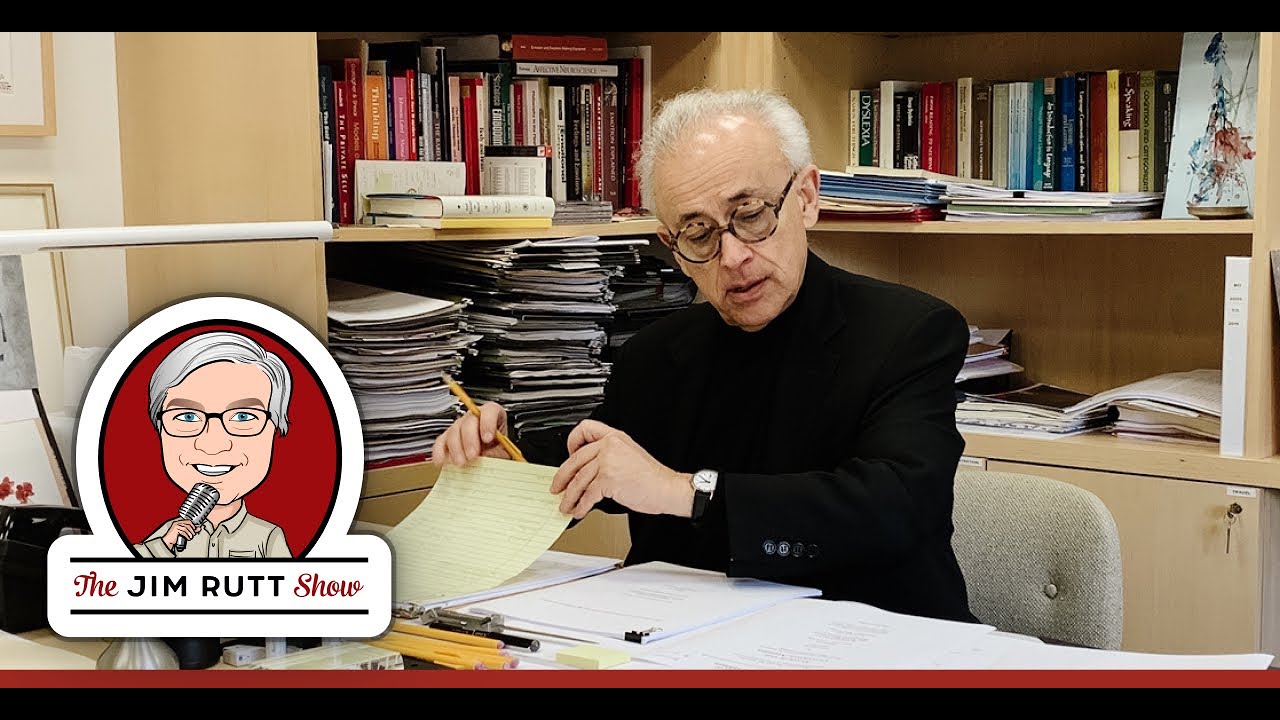
Jim talks with Douglas Rushkoff about where the internet came from, where it might go, & how to move from dystopian despair to productive engagement. Loosely following the syllabus for (Re-)Designing the Internet, a course Douglas co-teaches at CUNY with Jeff Jarvis, they discuss the internet as a read-write medium, reclaiming control of attention, journalism's move to Substack, language as VR, the Sixties dream of a thriving unimind, Allan Kaprow's creation of happenings, the DIY pre-internet, the shift from shareware to for-profit tech, John Perry Barlow's "A Declaration of the Independence of Cyberspace," how net libertarianism created a free zone for corporate capture, the move from helping people find exploits to finding exploits in people, tuning interfaces for or against reactivity, the early internet as a place where people sounded smarter than in real life, the meaning of human-centered design, the value of viscosity in political & communication systems, denaturalizing design choices, the increasing evidence that the kids aren't alright, Facebook's Meta pivot as an act of desperation, how web 3.0 & blockchain technologies reify predatory speculation, Canadian banks' recent suspension of truckers' accounts, distributed tech's discovery problem, certain web communities as "Graeberian prisons of structural violence," the potential for affirming the best in one another, and much more.
Sentinel Indexing in Progress
Metadata and chapters are available. Claim extraction for this episode is pending.
All video content is delivered via YouTube embedded players in accordance with the YouTube Terms of Service. Sentinel provides research tools that promote discovery and accountability across political media.