The Jim Rutt Show
@jimruttshow·4.4K subscribers·597 videos
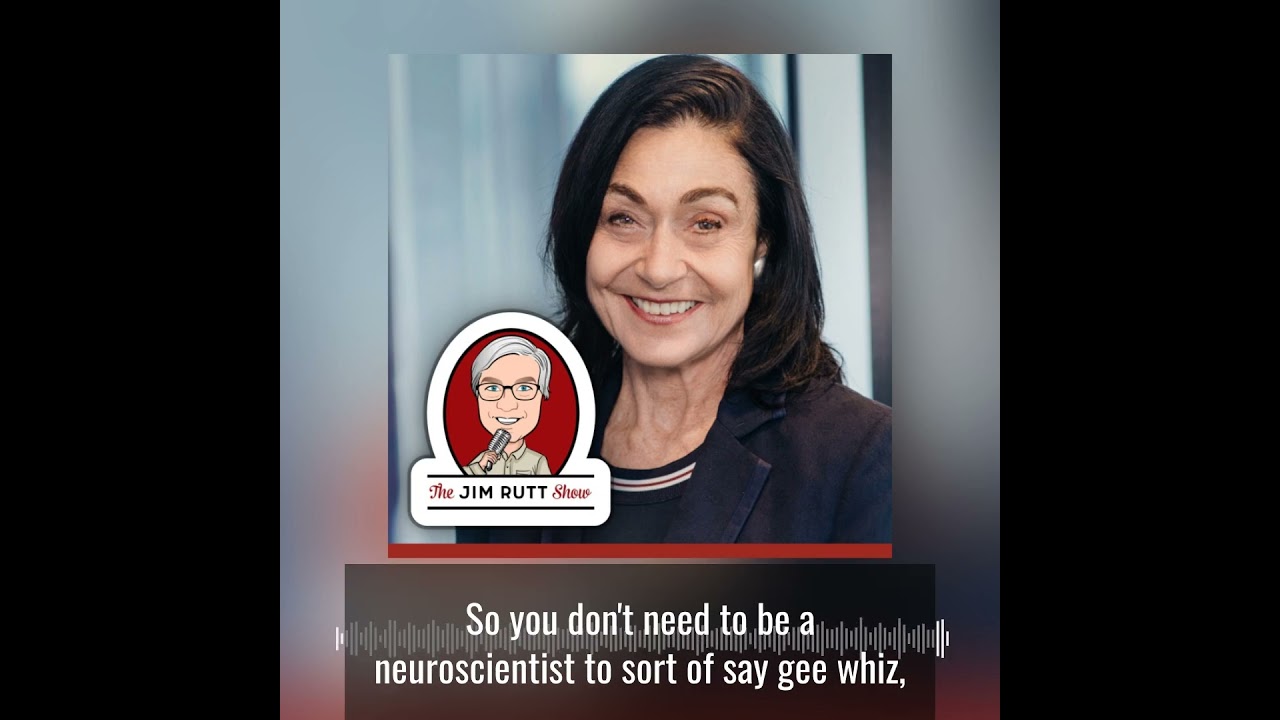
EP 212 Joy Hirsch on How the Brain Responds to Zoom
Posted
December 1, 2023
Views
200
Likes
5
Comments
3
Engagement
4.00%
December 1, 2023
200
5
3
4.00%
Every word spoken in this episode is indexed. Type any phrase to jump straight to the moment it was said.
Type any word or phrase that may have been spoken. Click a result to seek the player to that exact moment.
Try a name, a topic, or a quoted line
 1:09:29Now Playing
Click here for full show notes including episode mentions & recommendations!
Jim talks with Joy Hirsch about the findings in her paper "Separable Processes for Live 'In-Person' and Live 'Zoom-like' Faces," which explores how humans respond at the neural level to Zoom calls versus in-person interactions. They discuss the advantages of near-infrared spectroscopy (fNIRS) & how it works, the speed of imaging, brain imaging for social interactions, what fNIRS can do that fMRI can't, previous work on face processing, the design of the experiment, controlling for distance, angles, & presence, the data collection process, longer eye fixation in in-person interactions, increased pupil size compared with Zoom calls, differences in neural activity between groups, EEG findings, decreased neural synchrony in Zoom interactions, what the results might indicate, social media & strength of social links, how this research might be used to make video calls more brain-friendly, and much more.
Sentinel Indexing in Progress
Metadata and chapters are available. Claim extraction for this episode is pending.
All video content is delivered via YouTube embedded players in accordance with the YouTube Terms of Service. Sentinel provides research tools that promote discovery and accountability across political media.