EP 338 Jeff Giesea on Dionysian Futurism, Reading Great Books, and Rebalancing Generational Power
April 3, 2026
198
8
1
4.55%
Search the Record
IndexedEvery word spoken in this episode is indexed. Type any phrase to jump straight to the moment it was said.
Type any word or phrase that may have been spoken. Click a result to seek the player to that exact moment.
Try a name, a topic, or a quoted line
The Jim Rutt Show Episodes Around April 3, 2026
See what was published immediately before and after this episode.




 59:46Now Playing
EP 338 Jeff Giesea on Dionysian Futurism, Reading Great Books, and Rebalancing Generational Power


YouTube Description
as posted by the channelClick here for full show notes including episode mentions and recommendations
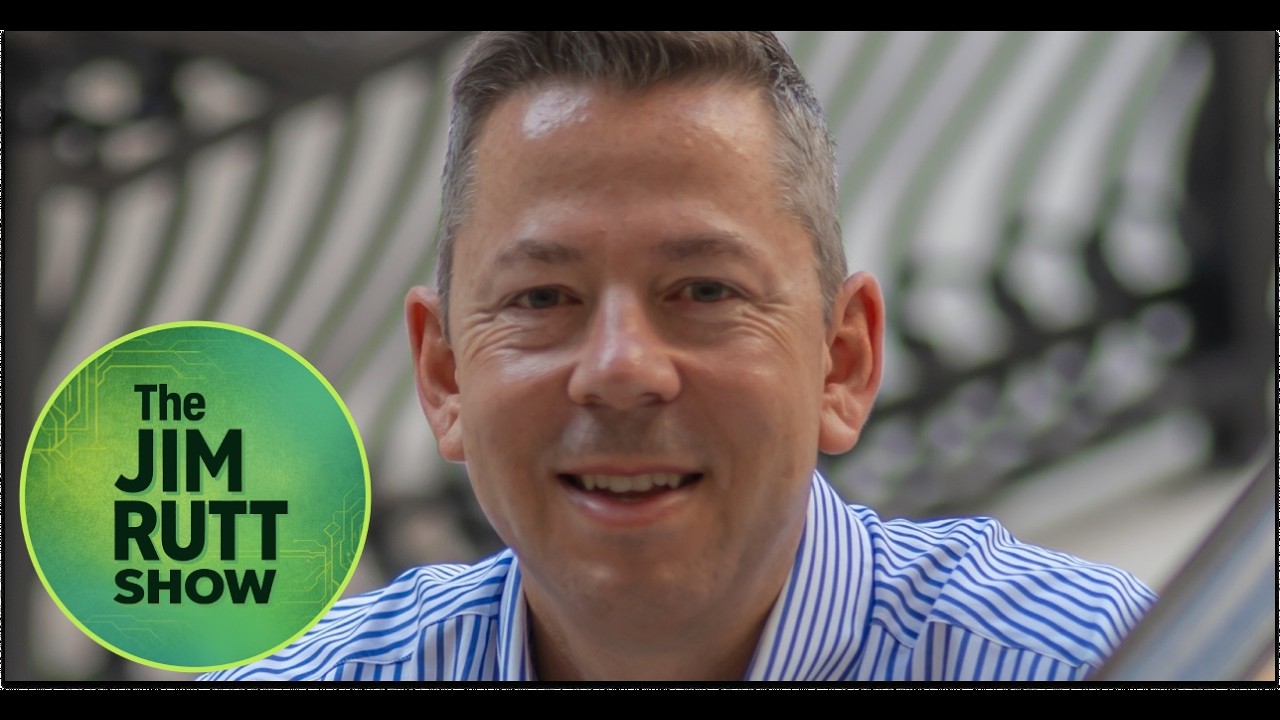
Jim talks with @jeffgiesea, entrepreneur, writer, and founder of the @boydinstitute, about his essay "Dionysian Futurism" and the broader question of what's missing from our visions of the future. They discuss Nietzsche's Apollo/Dionysus framework from The Birth of Tragedy, the critique that techno-optimist futures are lifeless and sterile, Jim's extension of that critique to Game B and adjacent social change spaces, the distinction between positive Dionysian energy and mere degeneracy, Jim's concept of decadence as wire-heading on dopamine traps and gambling apps, generational decline in conviviality, Gen Z statistics on less sex and fewer dates, the structural economic pressures of student debt and housing unaffordability, the shift in college freshman values away from meaningful philosophy of life toward financial success, the dinner party versus restaurant ratio and what's been lost, the vanished culture of Georgetown dinner salons and political hostesses like Pamela Harriman, the trade-off between women entering the workforce and the loss of socially maintained conviviality infrastructure, the call to bring back the host or hostess curating eight to twelve people around a topic, Jeff's "The Humanities Revolution Has Already Begun" essay and the Kairos Project's decentralized open-source great-books discussion groups, Hannah Arendt's The Human Condition and its relevance to AI and what it means to be human, the tent-revival quality of the new bottom-up humanities movement, Homer and the bards as evidence that great books were never meant only for scholars, Substack as Renaissance Florence, self-gatekeeping around the humanities and the call to read great books at any phase of life, Jim's return to the Iliad and Odyssey and current reading of Zen and the Art of Motorcycle Maintenance, audiobooks and the opportunity to produce better audio versions of copyright-free great works, Foucault as a poisoner of two generations of scholars, the woke turn in university humanities departments and Jacob Savage's essay "The Lost Generation," three drivers of the humanities revolution in pushback against woke academia, digital technology, and AI, AI as a tool for reading difficult books versus the risk of delegating critical thinking, Pirsig's concept of quality as a North Star for deciding when to use AI, taste as the Silicon Valley word for quality, Jeff's "goddamn Boomers" trilogy on the Boomer reckoning and the long Boomer farewell, the Boomer paradox of holding society together while holding it back, the gerontocracy problem of spending six dollars on old people for every one dollar on young people, entitlement spending flowing to the wealthiest demographic, Social Security couples at the top receiving over a hundred thousand dollars a year, California's real estate tax caps and their effect on schools, the political power of older voters and the absence of an AARP for young people, Gen X's failure to produce a presidential contender, Don Draper in Mad Men as a hinge figure between Greatest Generation and Boomer values, Boomer narcissism versus Gen X grandiosity, Jim's reframe of the core Boomer failing as hyper-individualism rather than narcissism, and much more.
Links & Promotions
Guests & Subjects Covered
Sentinel Indexing in Progress
Metadata and chapters are available. Claim extraction for this episode is pending.
All video content is delivered via YouTube embedded players in accordance with the YouTube Terms of Service. Sentinel provides research tools that promote discovery and accountability across political media.