The Piehota Brief
@thepiehotabrief·38.3K subscribers·736 videos
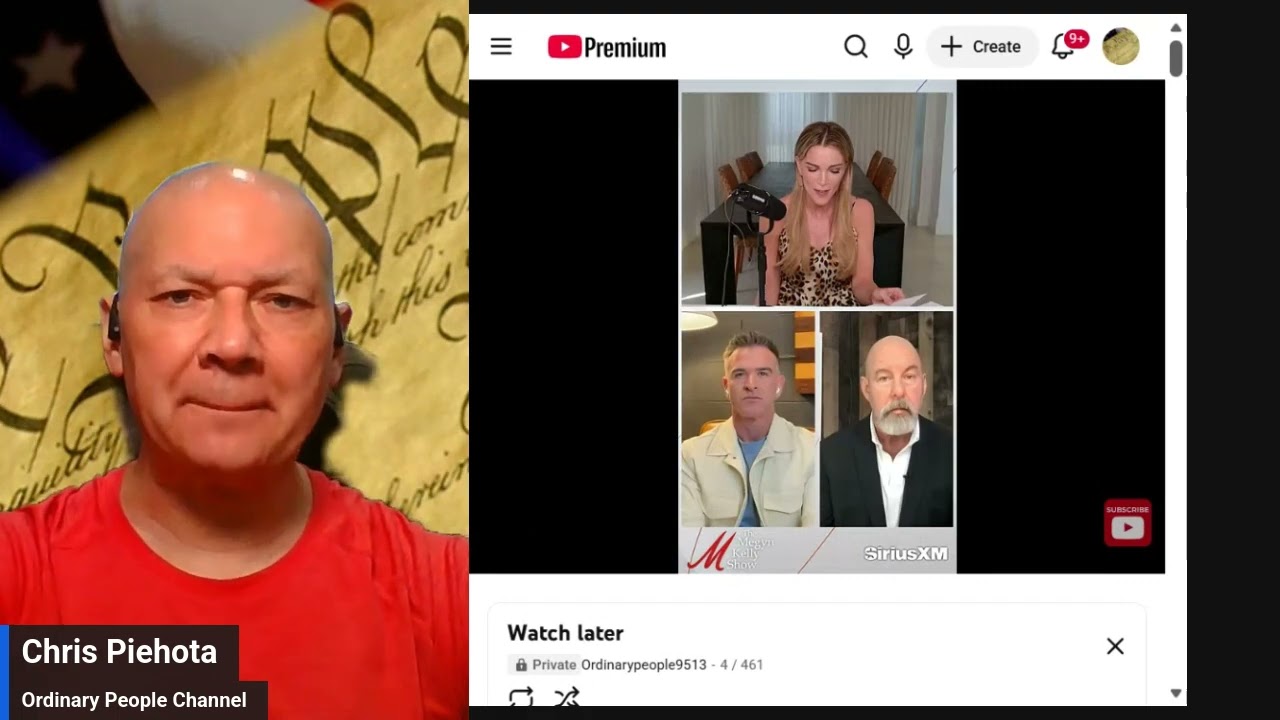
NOT What Megyn Thinks: FBI Biometrics Breakdown with Retired FBI Supervisory Special Agent
Posted
March 23, 2026
Views
270
Likes
19
Comments
4
Engagement
March 23, 2026
270
19
4
8.52%
Every word spoken in this episode is indexed. Type any phrase to jump straight to the moment it was said.
Type any word or phrase that may have been spoken. Click a result to seek the player to that exact moment.
Try a name, a topic, or a quoted line
 6:51Now Playing
There’s a lot of social media confusion—and hype—around FBI biometric systems like Next Generation Identification (NGI). In this breakdown, retired FBI Supervisory Special Agent, Chris Piehota, separates what sounds impressive from how these systems actually work in real-world use. NGI isn’t some futuristic “magic tool.” It’s a repository and integration platform—built primarily on fingerprints, with additional biometric inputs like facial recognition and iris data layered in. But here’s the critical point: these systems only work if there’s already a reference sample in the database. No prior record or data entry? No match. Chris walks through how NGI evolved from legacy fingerprint systems (IAFIS), how iris and facial recognition are actually applied, and why these tools are used to triangulate identity—if they cannot definitively establish it on their own. We also cover the limitations: incomplete datasets, partial matches, and why facial recognition still relies on probabilistic modeling—not certainty. Bottom line—these are powerful investigative tools, but they are not a silver bullet. Understanding their strengths and limitations is key to understanding how real investigations unfold.
#FBI #NGI #Biometrics #FacialRecognition #Forensics #DNA #LawEnforcement #Tech #Investigation #Security
About the Host: Chris Piehota is a former FBI Supervisory Special Agent and trusted national security expert who provides rare insider insight into FBI matters, law enforcement and intelligence operations, and America’s evolving security challenges. With decades of experience in counterterrorism, law enforcement leadership, and crisis response, he offers clear, candid perspectives on government and the future of US national security. Chris, a US Air Force veteran, is the author of "Wanted: The FBI I Once Knew", a personal view of what the FBI should be for the American people. Chris currently serves as a subject matter expert/consultant regarding complex security practices, risk mitigation, and leadership concepts.
Channel Approach: This channel fights social and institutional decay and there are things that ordinary people should talk about without hating each other. Are you tired of "overly-scripted", highly "curated", and "conflict-based" content that has become the norm? Are you exhausted with content that looks like contrived takeoffs of the failed mainstream media? I am. So, I hope you will forgive me for promoting a less generic, over-produced approach where ideas can be shared in a more informal fashion about what is going on for the ordinary people of the world. For the sake of real talk, you will see minor recording mistakes and flubs in this content. Please like, share, and subscribe to keep the conversation moving forward.
Communications:
YouTube: Channel Name: Ordinarypeople9513, Handle: @chrispiehota1
X: @chrispiehota
Email: ordinarypeople9513@gmail.com
#law enforcement #national security #security #politics #social issues #news #leadership #fbi #chispiehota #public safety #megynkelly
Sentinel Indexing in Progress
Metadata and chapters are available. Claim extraction for this episode is pending.
All video content is delivered via YouTube embedded players in accordance with the YouTube Terms of Service. Sentinel provides research tools that promote discovery and accountability across political media.