
The Progressive Voice
@progressivevoice·72.7K subscribers·4.8K videos
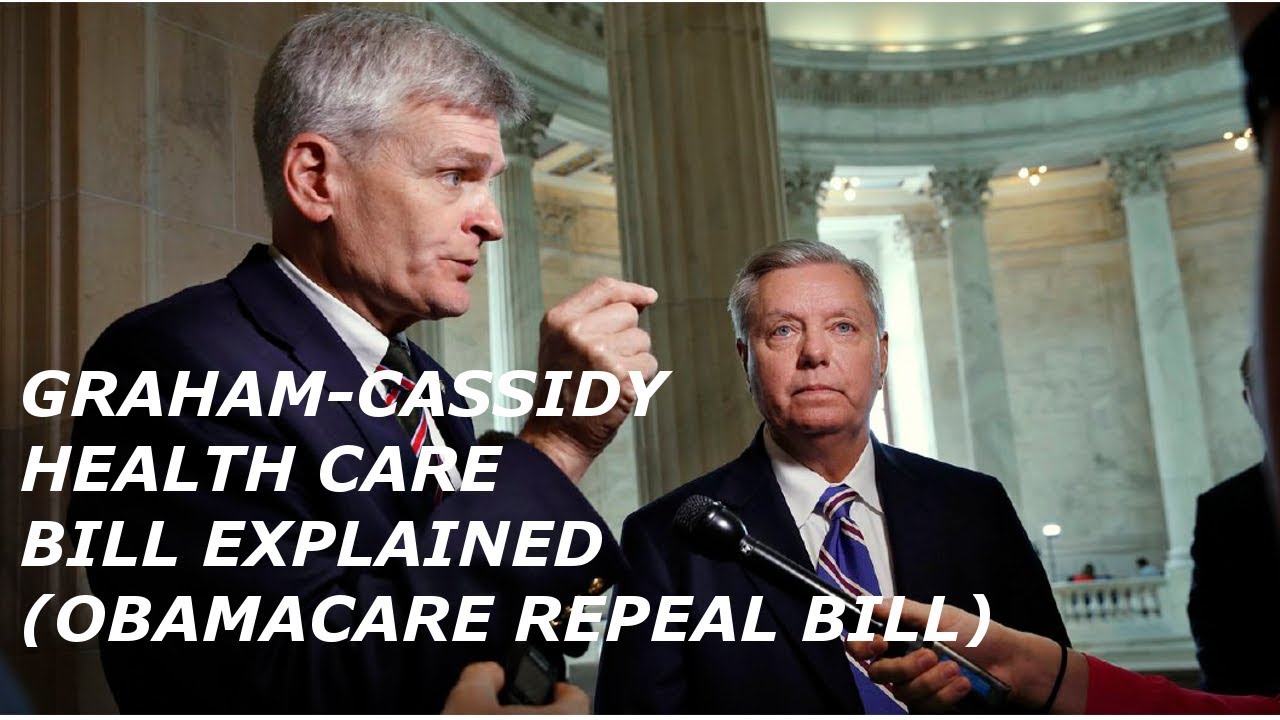
Graham-Cassidy Bill EXPLAINED (Obamacare Repeal Bill September 2017)
Posted
September 21, 2017
Views
169
Likes
16
Comments
2
Engagement
September 21, 2017
169
16
2
10.65%
Every word spoken in this episode is indexed. Type any phrase to jump straight to the moment it was said.
Type any word or phrase that may have been spoken. Click a result to seek the player to that exact moment.
Try a name, a topic, or a quoted line
See what was published immediately before and after this episode.
 8:26Now Playing
Graham-Cassidy Bill EXPLAINED (Obamacare Repeal Bill September 2017)
The new obamacare repeal bill is called the Graham-Cassidy bill, and I go through a deep dive and explain what is inside of the bill.What's in the latest Obamacare repeal bill? Senators Lindsey Graham of South Carolina and Bill Cassidy of Louisiana last week released a bill that would eliminate or overhaul major sections of the health reform law. The duo had been trying to garner interest in earlier versions of their bill for months, but hadn't gotten much traction. Now, however, Republicans likely have only two weeks left to use their 2017 budget reconciliation bill as a way to dismantle Obamacare with a simple majority in the Senate. The Graham-Cassidy bill is the only repeal effort left on the table, coming even as a bipartisan Senate committee is working on legislation to stabilize the Affordable Care Act. The Congressional Budget Office said Monday it may take several weeks for it to release an analysis of the Graham-Cassidy bill so it remains to be seen how many fewer people could be insured under it or what the impact on premiums may be. Repeal Obamacare individual and employer mandates: Obamacare levies penalties on most Americans who don't have health insurance and larger employers who don't provide affordable coverage for their workers. The bill would eliminate the penalty, retroactive to 2016. Repeals Obamacare subsidies and ends Medicaid expansion funding: The legislation would eliminate Obamacare subsidies that lower premiums, deductibles and co-pays in 2020. It would also jettison federal funding for Medicaid expansion, which 31 states use to provide coverage for residents with incomes up to about $16,000. The legislation would turn the federal funding for Medicaid expansion and the subsidies into a block grant program. States would be given a lump sum of money and would have a lot of leeway over how to spend it. For instance, they could help enrollees pay their premiums and out-of-pocket costs or set up high-risk or reinsurance pools to help protect insurers from costly enrollees and entice them to stay in the individual market. States could use a portion of money to help those enrolled in Medicaid afford care. Graham and Cassidy say that this provision would return power to the states and allow them to create programs that fit their residents' needs. Also, it would equalize Medicaid funding across the states. The bill's authors note that four states -- New York, California, Massachusetts and Maryland -- get 37% of Obamacare funding. Loosens Obamacare's regulations regarding pre-existing conditions: The bill would also let states waive several key Obamacare protections for those with pre-existing conditions. While it would still require insurers to provide coverage to everyone, states could allow carriers to charge enrollees more based on their medical history. So younger, healthier folks could see their premiums go down, but sicker Americans could find themselves priced out of policies. Revamps funding for Medicaid overall: The legislation would send the states a fixed amount of money per Medicaid enrollee, known as a per-capita cap, starting in 2020. Allows states to institute work requirements for Medicaid: States would now be able to require adult Medicaid recipients to work. The disabled, elderly and pregnant women would be exempt, however.
Permits everyone in the individual market to buy catastrophic plans: Obamacare only allows those under age 30 to buy catastrophic policies, which usually have higher deductibles and fewer benefits. This legislation would allow anyone to buy these plans starting in 2019. Defunds Planned Parenthood: In keeping with longstanding Republican beliefs, the legislation prohibits federal funding for Planned Parenthood. But the restriction is only for a year, beginning when the bill is enacted.
--
Connect With The Host!
- BECOME A MEMBER:
- DONATE ON PAYPAL:
= DONATE ON STREAMLABS!:
- BUY AN OFFICIAL PROGRESSIVE VOICE MUG!
- FOLLOW ME ON TWITCH FOR DAILY LIVE STREAMS!
- FOLLOW ME ON VIDME
- LIKE MY NEW FACEBOOK PAGE
- LISTEN TO THE PROGRESSIVE VOICE PODCAST ON ITUNES
- LISTEN TO THE PROGRESSIVE VOICE PODCAST ON SPREAKER
SUBSCRIBE TO THE PROGRESSIVE VOICE
- FOLLOW THE PROGRESSIVE VOICE ON TWITTER:
Sentinel Indexing in Progress
Metadata and chapters are available. Claim extraction for this episode is pending.
All video content is delivered via YouTube embedded players in accordance with the YouTube Terms of Service. Sentinel provides research tools that promote discovery and accountability across political media.