The Randall Carlson
@therandallcarlson·632K subscribers·2.1K videos
Ice Sheet Growth and Ocean Evaporation Cycles
Posted
July 25, 2026
Views
15,863
Likes
595
Comments
14
Engagement
3.84%
July 25, 2026
15,863
595
14
3.84%
Every word spoken in this episode is indexed. Type any phrase to jump straight to the moment it was said.
Type any word or phrase that may have been spoken. Click a result to seek the player to that exact moment.
Try a name, a topic, or a quoted line
Episode Timeline
Every episode in order around the one you’re watching — click any card and the page flips straight to it.
 0:39Now Playing
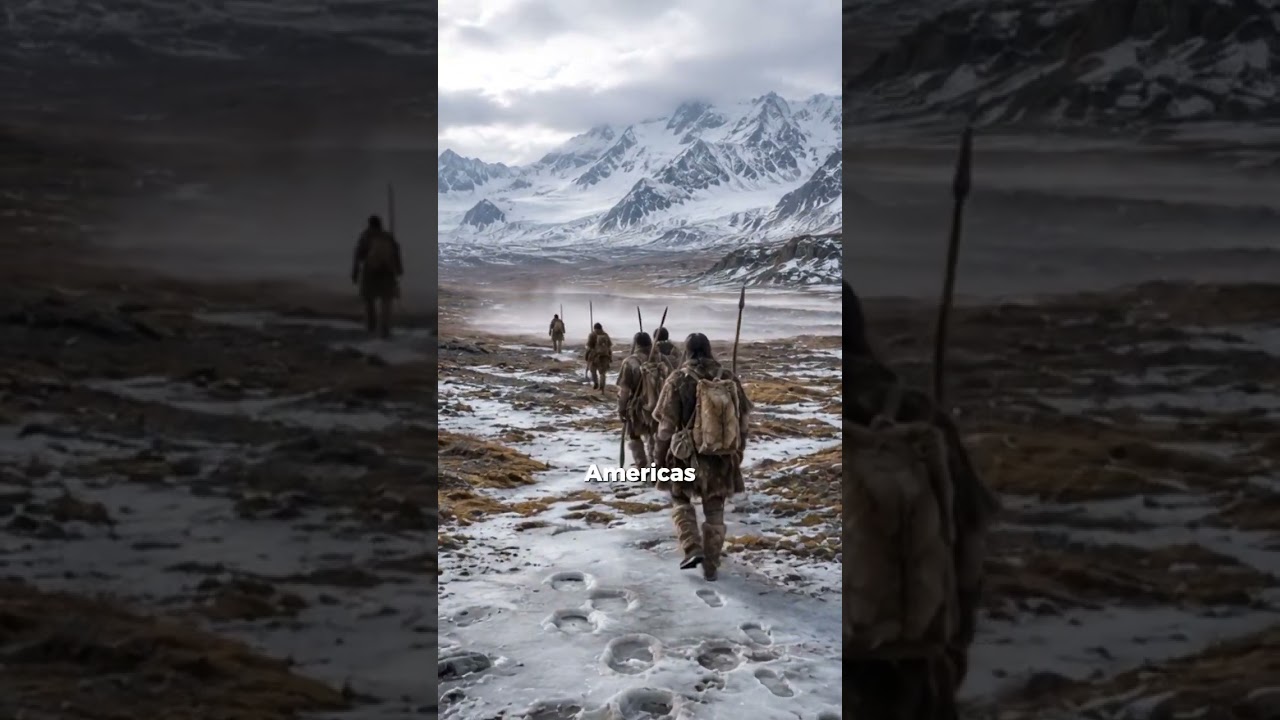
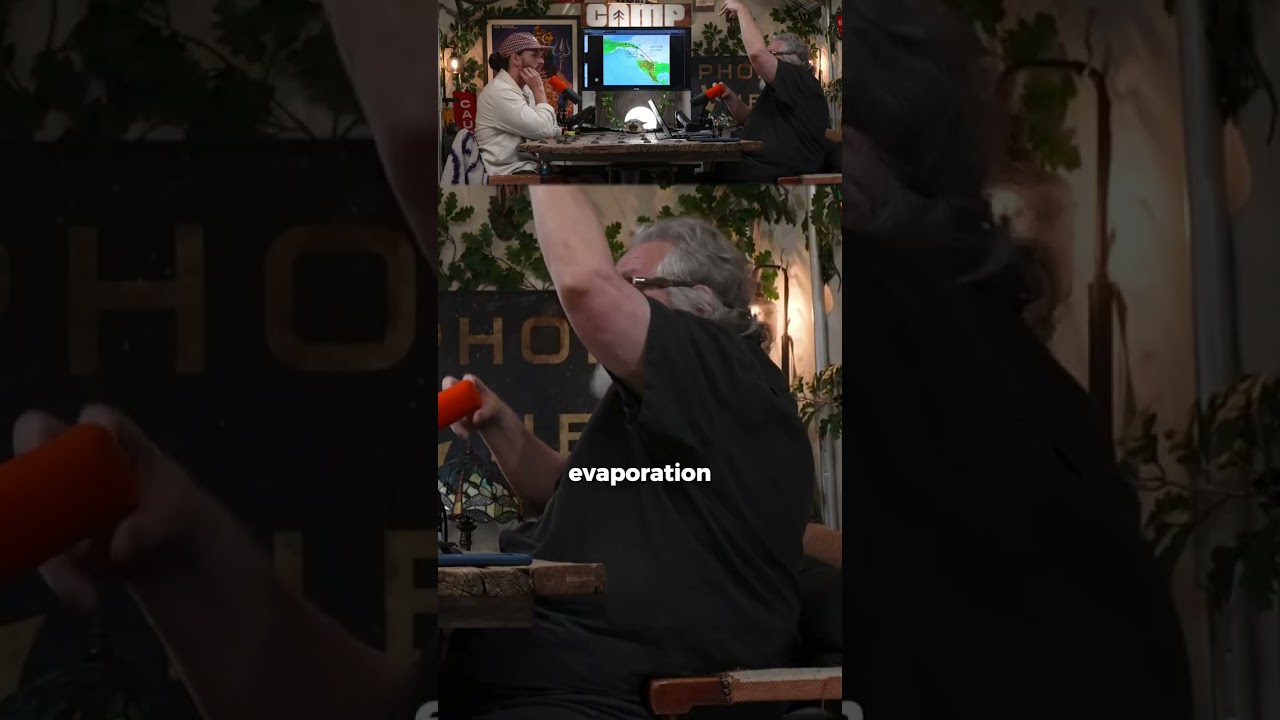
He traces the mechanics of ice sheet formation during glacial periods, focusing on two primary nucleation centers: one near Hudson Bay in the East and another over the Western Rocky Mountains. The key distinction he draws is in how precipitation cycles differently during glaciation versus interglacial periods. In warmer climates, rainfall returns to the ocean through watersheds, either quickly via surface runoff or slowly through subterranean aquifers over decades or even centuries. But during ice sheet growth, that same precipitation, evaporated from the oceans, falls as snow and becomes locked in ice rather than cycling back. The implication is clear: as ice mass accumulates, the oceans lose volume, and the hydrological cycle fundamentally changes. This is not speculation, it is basic mass balance. The water has to come from somewhere, and when it stops returning to the ocean, sea levels drop accordingly.
Sentinel Indexing in Progress
Metadata and chapters are available. Claim extraction for this episode is pending.
All video content is delivered via YouTube embedded players in accordance with the YouTube Terms of Service. Sentinel provides research tools that promote discovery and accountability across political media.