The Randall Carlson
@therandallcarlson·632K subscribers·2.1K videos
Yucatan's Two Impacts: 66 Million Years Apart
Posted
August 2, 2026
Views
23,720
Likes
1,015
Comments
17
Engagement
4.35%
August 2, 2026
23,720
1,015
17
4.35%
Every word spoken in this episode is indexed. Type any phrase to jump straight to the moment it was said.
Type any word or phrase that may have been spoken. Click a result to seek the player to that exact moment.
Try a name, a topic, or a quoted line
Episode Timeline
Every episode in order around the one you’re watching — click any card and the page flips straight to it.
 0:37Now Playing
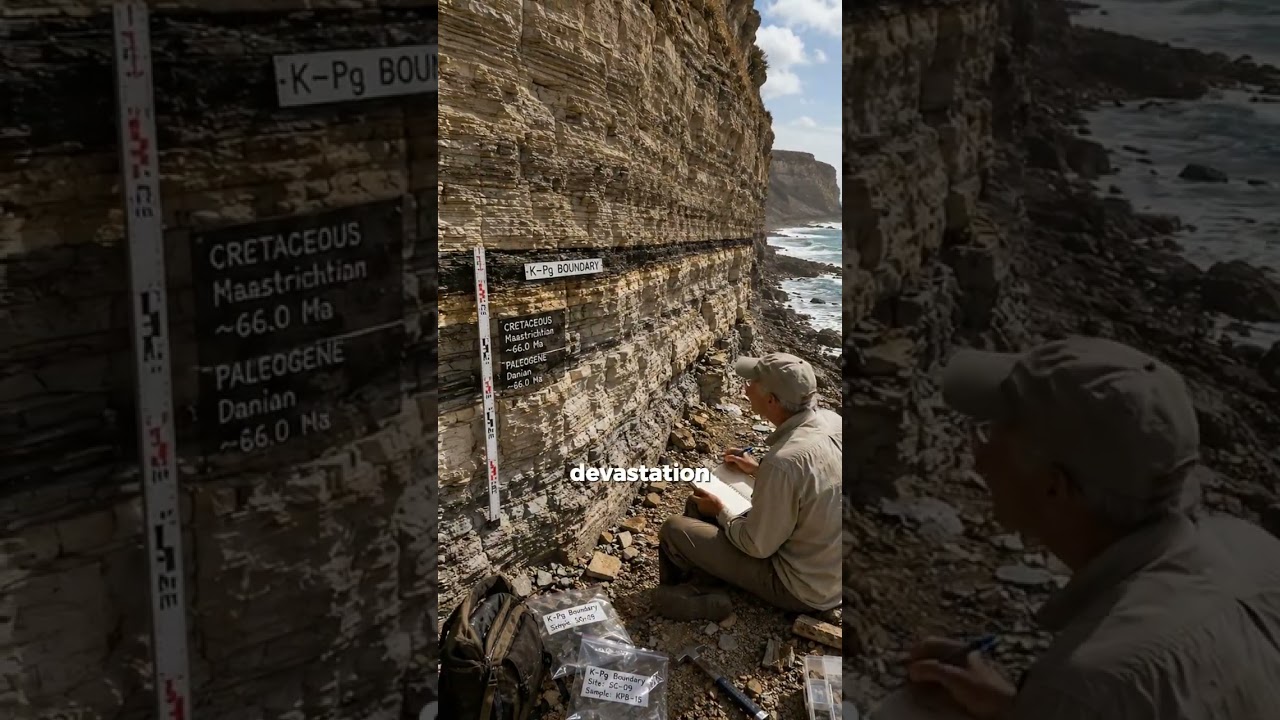
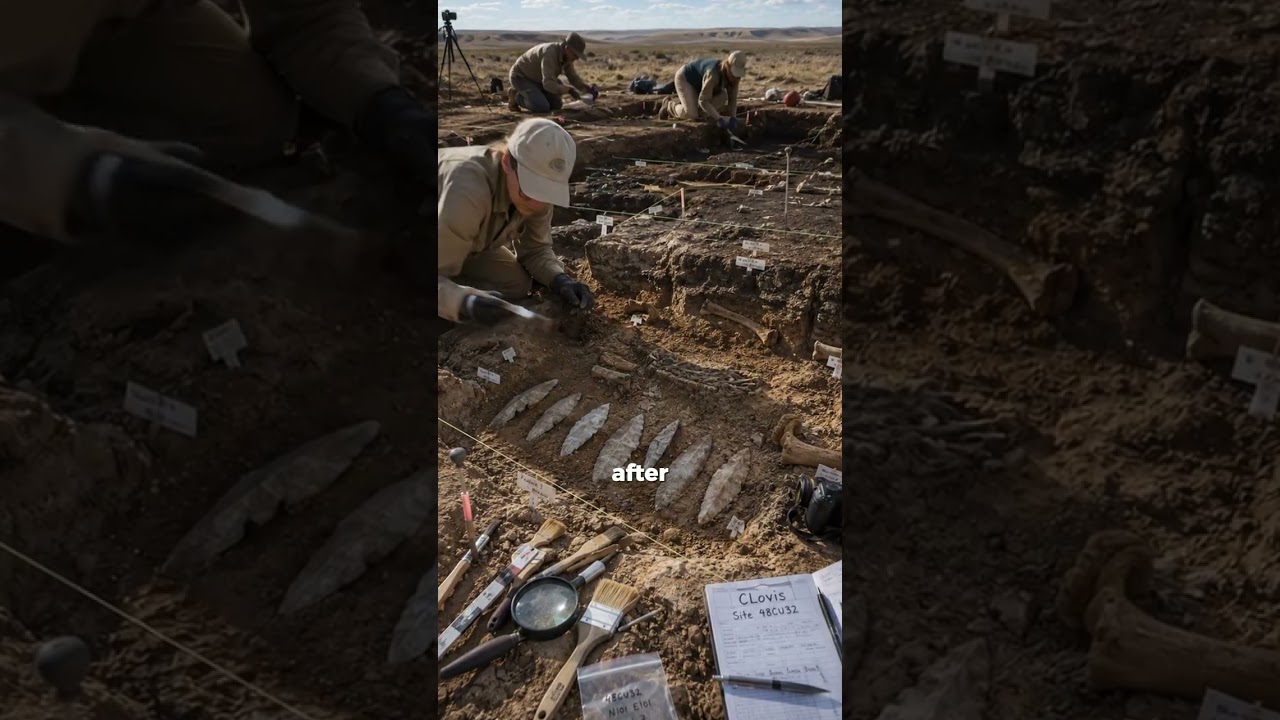
The Yucatan Peninsula holds evidence of two catastrophic impact events separated by 66 million years, and the geological signatures are strikingly similar. The older event, the KT impact that ended the age of dinosaurs, left behind a suite of proxies in the rock record: shocked quartz, microspherules, iridium anomalies, and carbon-rich layers. When scientists began examining sediments from 12,900 years ago, they found nearly identical markers. Same materials, same patterns, different timescales. The Yucatan itself is a landscape shaped by impact. The northern region has no surface rivers because the limestone bedrock is so porous that all water flows underground through vast cave systems. That porosity is a direct consequence of the ancient impact structure beneath it. The connection between these two events isn't coincidental. It's a reminder that Earth's history is punctuated by cosmic interventions, and the evidence doesn't disappear. It gets buried, but it remains readable for those willing to look.
Sentinel Indexing in Progress
Metadata and chapters are available. Claim extraction for this episode is pending.
All video content is delivered via YouTube embedded players in accordance with the YouTube Terms of Service. Sentinel provides research tools that promote discovery and accountability across political media.